The Ultimate Guide to Affordable Used Cars
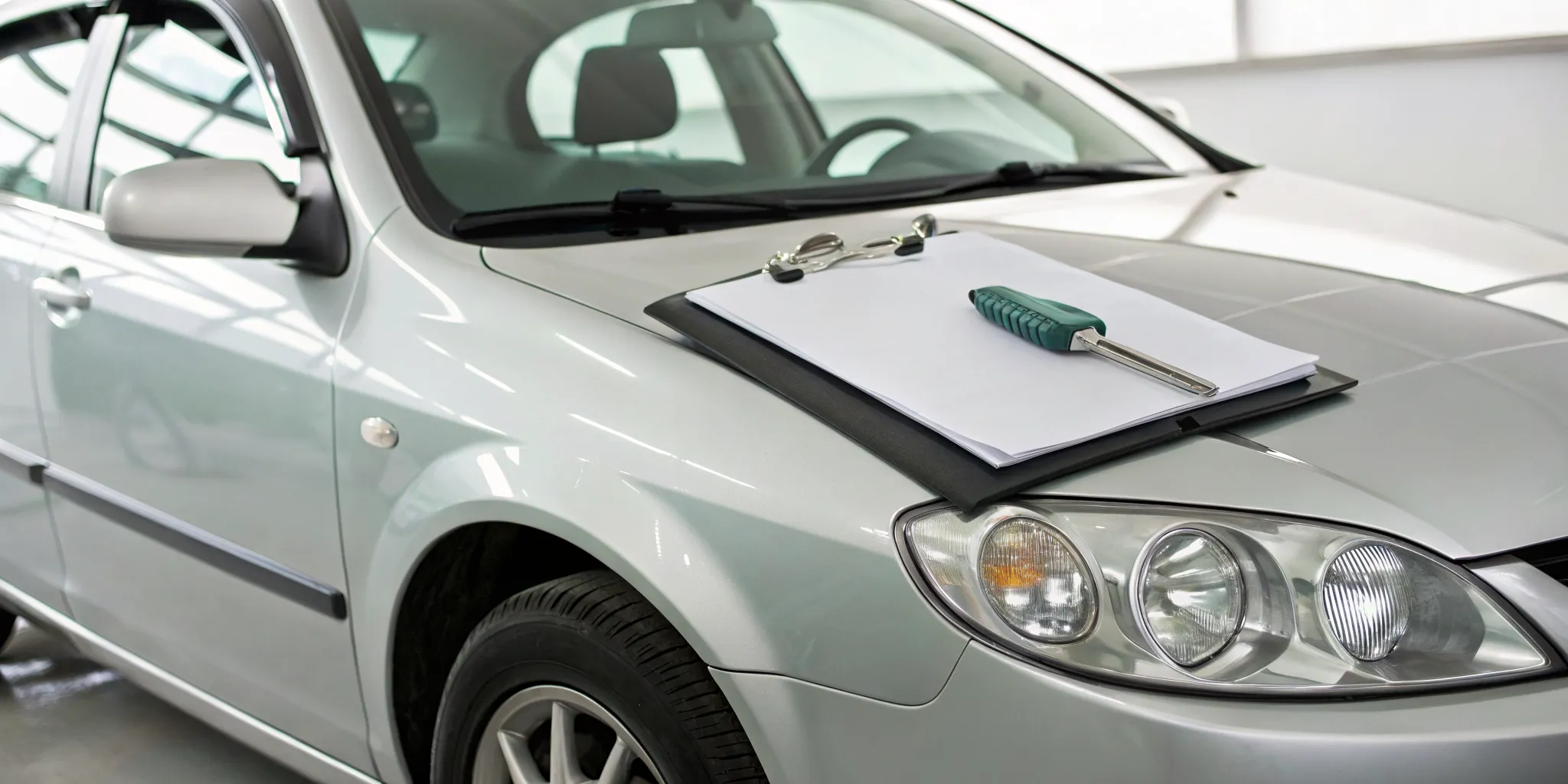
Find out how to shop smart for affordable used cars with tips on reliability, inspections, financing, and getting the best deal for your budget.
Let’s be honest: most people would rather do just about anything than spend a weekend haggling at a car dealership. The endless waiting, the confusing numbers, and the pressure to make a quick decision can drain all the excitement from buying a new-to-you vehicle. But what if you could skip that part entirely? Finding great, affordable used cars doesn’t have to be a stressful ordeal. This guide will show you how to take control of the process. We’ll cover everything from doing your homework online to working with services that bring the car right to your door, ensuring you get a fair price without the hassle.
Key Takeaways
- Define affordability by the total cost: A car's real price includes more than the number on the sticker. Make a smarter financial decision by factoring in long-term expenses like insurance, taxes, fees, and potential depreciation.
- Confirm quality with a thorough inspection: A great price means nothing if the car has hidden problems. Always review the vehicle history report, test drive carefully, and get a pre-purchase inspection from a trusted mechanic to avoid costly surprises.
- Control the process to save time and money: You can skip the dealership stress. Get pre-approved for a loan to gain negotiating power, and consider using an auto broker to handle the hard work of finding the car, haggling, and arranging delivery.
What Does "Affordable" Really Mean for a Used Car?
When you’re shopping for a used car, it’s easy to get fixated on the sticker price. But that number is just one piece of a much larger puzzle. A car that seems like a bargain at first glance can quickly become a financial drain if you haven't considered the total cost of ownership. True affordability isn't just about the price you pay today; it’s about understanding the full financial picture for as long as you own the vehicle.
Thinking about affordability this way helps you make a smarter, more confident decision. It means looking past the shiny exterior and the tempting price tag to evaluate the car's actual market value, its potential to hold that value over time, and all the extra costs that come with sealing the deal. Getting this right from the start is the key to finding a car that fits your budget not just on day one, but for years to come.
Look Beyond the Sticker Price
The price on the window is a starting point, not the final word on a car's value. To know if you're getting a good deal, you need to do a little homework first. Before you even start talking numbers, you should have a clear idea of the car's current market value. This is what similar cars are actually selling for in your area, based on their make, model, year, mileage, and condition.
Knowing this information gives you a solid foundation to identify whether a price is fair or inflated. It’s your most powerful tool for a successful purchase. When you understand the market, you can confidently assess an offer and decide if it’s the right fit for your budget. This knowledge is essential whether you're negotiating yourself or working with a service that guarantees fair pricing.
Factor in Depreciation and Resale Value
Depreciation is one of the biggest hidden costs of owning a car. It’s the gradual loss of a vehicle's value over time, and it starts the moment you drive it home. While all cars depreciate, some lose their value much faster than others. A car that seems affordable now might have a terrible resale value in a few years, costing you more in the long run.
That's why it's smart to consider a car's depreciation rate as part of its overall affordability. Brands known for reliability, like Honda and Toyota, often hold their value exceptionally well. Factoring in resale value helps you choose a car that is not only affordable to buy but also a wiser financial asset over time. A car with strong resale value means you'll get more of your money back when it's time to sell or trade it in.
Budget for Taxes, Registration, and Insurance
Buying a car doesn't have to be a stressful experience. If you want to know how to buy a car without the headache, you need a solid plan that accounts for more than just the vehicle's price. The "out-the-door" price is what you should really focus on, and it includes several costs that can add up quickly. These are the non-negotiable expenses you'll have to pay before the car is legally yours.
Be sure to budget for sales tax, title and registration fees, and any potential dealer documentation fees. These costs vary by state and can add hundreds or even thousands of dollars to your final bill. You'll also need to arrange for car insurance, which often requires a down payment. Having a solid plan for these expenses ensures there are no surprises when it's time to sign the paperwork.
Find the Most Reliable Used Car Brands
When you're shopping for an affordable used car, reliability is your best friend. A dependable vehicle saves you money, stress, and unexpected trips to the mechanic. While every car needs maintenance, some brands have earned a stellar reputation for durability. Starting your search with these names is a smart move that can pay off for years to come. It helps you focus on vehicles that are known for their quality engineering and long-term performance, giving you peace of mind with your purchase.
Why Honda and Toyota Lead the Pack
It’s no secret that Honda and Toyota are giants in the reliability game. For years, they’ve built cars that simply last. If you want a vehicle that requires fewer repairs and holds its value exceptionally well, you can’t go wrong here. Brands like Toyota are known for their impressive longevity, strong safety ratings, and low maintenance costs over the life of the car. Choosing a used Honda or Toyota isn't just buying a car; it's making a sound financial decision for the long haul. They consistently prove to be a top choice for anyone seeking a trustworthy pre-owned vehicle.
Great Alternatives: Ford, Kia, and Jeep
While Honda and Toyota get a lot of attention, they aren't the only reliable options on the lot. Brands like Ford, Kia, and Jeep have made huge strides and offer fantastic, durable models that often come at a great value. These automakers produce a wide variety of vehicles, from efficient sedans to rugged SUVs, that have earned high marks for customer satisfaction and dependability. Don't overlook them in your search. Exploring these alternatives can open you up to more options that fit your lifestyle and budget perfectly, without sacrificing the quality you're looking for.
What Features Should You Prioritize?
Beyond the brand name, it’s important to know what features signal a safe and reliable car. Your focus should be on models with a proven track record for safety and low maintenance needs. One key feature to look for is Electronic Stability Control (ESC), which has become a standard and essential safety system in modern vehicles. According to Consumer Reports, ESC significantly reduces the risk of fatal single-vehicle crashes. Prioritizing core safety and performance features over flashy extras ensures you’re getting a car that is built to protect you and last for the long run.
Where to Find the Best Deals on Used Cars
Finding a great deal is about more than just the price; it's about getting the right car without the headache. The path you take can make all the difference. You can spend weeks scrolling through listings, go head-to-head with salespeople, or let an expert handle the heavy lifting. Let's break down where you can find the best deals and which route is the right fit for you.
Explore Online Marketplaces
Online marketplaces have completely changed how we shop for used cars, offering a massive selection right at your fingertips. You can filter by make, model, and price from the comfort of your couch. While this gives you a great starting point for research and price comparison, it can also be overwhelming. You're still responsible for vetting the seller, scheduling test drives, and handling the often-tricky negotiation process. These platforms give you access, but the legwork of securing a genuinely good deal still falls on your shoulders.
Work with an Auto Broker
If you'd rather skip the endless scrolling and stressful negotiations, working with an auto broker can simplify the car-buying process. Think of a broker as your personal car-buying expert. They have deep industry connections and access to a wide range of vehicles, including inventory not always available to the public. A good broker listens to what you want, finds the car for you, and handles the pricing complexities. This approach saves you time and stress, ensuring you get a fair price without ever having to step foot in a dealership. It’s a white-glove service designed to make car buying easy.
Consider Auctions and Private Sellers
Buying from a private seller or at an auction can sometimes land you a fantastic deal, but this path carries the most risk. You're often buying the car "as-is," with little to no recourse if you discover problems later. It’s absolutely crucial to inspect the vehicle thoroughly before any money changes hands. Look for visible signs of rust, listen for strange noises during a test drive, and check under the hood for leaks or worn-out parts. These can be major red flags when buying a used car that turn a great deal into a costly mistake.
How to Inspect a Used Car Like a Pro
Finding a used car that fits your budget is one thing; making sure it’s a sound investment is another. An inspection can feel like the most intimidating part of the car-buying process, but it’s your best defense against unexpected repair bills down the road. Even if you work with a service that vets vehicles for you, knowing what to look for empowers you to make a confident final decision. Think of it as your personal quality control check.
A thorough inspection doesn’t require you to be a master mechanic. It’s about knowing where to look and what questions to ask. By checking a few key areas, reviewing the car’s official records, and listening to your gut (and a trusted professional), you can easily tell the difference between a great deal and a potential lemon. Let’s walk through the simple steps to inspect a used car with confidence.
Check the Mileage and Mechanical Condition
While high mileage can be a concern, the car's maintenance history matters more. A well-cared-for car with 100,000 miles can be in better shape than a neglected one with 50,000. A few dings or scratches on the exterior are normal for a used vehicle, but you should pay close attention to the mechanical components. Pop the hood and look for obvious signs of trouble. Widespread rust, fluid leaks, and frayed belts or hoses are all red flags that could point to poor upkeep. Also, check the tires for uneven wear, which might signal an alignment problem.
Review the Vehicle History Report
Before you even see the car in person, you should do your homework. A vehicle history report is an essential tool that gives you a detailed look at the car’s past. Services like CARFAX compile information using the car’s vehicle identification number (VIN). The report will show you critical details like accident history, title status (look out for salvage or flood titles), the number of previous owners, and sometimes even service records. This report helps you verify the seller's claims and can reveal hidden issues that aren't visible during a physical inspection.
Spot the Common Red Flags
Your senses are powerful tools during an inspection. Pay attention to anything that seems off. If you see visible rust on the car's body, it could be a sign of a water leak or that the car was driven in an area where roads are heavily salted. During a test drive, turn off the radio and listen for unusual noises. Grinding sounds when you brake, knocking from the engine, or a high-pitched squeal can all indicate mechanical problems. Don't forget to use your nose, too. A persistent musty smell inside the cabin could mean water damage, while a burning odor might point to an oil leak.
Get a Pre-Purchase Inspection (It's Worth It)
Even if everything looks good to you, the single best thing you can do is get a pre-purchase inspection (PPI). For around $100 to $200, you can have a certified, independent mechanic put the car on a lift and perform a detailed evaluation. They can spot problems you’d never see, like a cracked frame from a past accident or early signs of transmission failure. Think of it as a small investment for major peace of mind. A seller who is hesitant to allow a PPI is a major red flag. A transparent process is one of the biggest reasons to work with a broker, as they build trust by ensuring their vehicles are ready for the road.
Is Certified Pre-Owned (CPO) Worth the Extra Cost?
You’ve probably seen the term “Certified Pre-Owned” or “CPO” while browsing for used cars. It sounds official and reassuring, but it also comes with a higher price tag. So, what’s the deal? Is it just a marketing gimmick, or is it a smarter way to buy a used vehicle? Let's break it down so you can decide if a CPO car is the right fit for your budget and your peace of mind. The answer really depends on what you value most in a car buying experience, as it’s a great middle ground between buying new and used.
Understand What CPO Programs Actually Cover
A CPO car isn't just any used car with a fancy sticker. To earn that "certified" title, a vehicle must be a recent model with low mileage and pass a detailed, multi-point inspection set by the manufacturer. Think of it as the car's final exam. These programs also come with a manufacturer-backed warranty that extends beyond the original coverage. Many CPO programs even include extra benefits like roadside assistance and a full vehicle history report, giving you a complete picture of the car's past. This process is designed to give you confidence that the car is in excellent condition.
Compare CPO vs. Used: Cost and Reliability
Let’s talk about the bottom line. Yes, CPO cars cost more upfront than their non-certified counterparts. You're paying a premium for the inspection, the warranty, and the overall peace of mind. However, that initial investment can save you from unexpected repair bills down the road. Because these cars are newer, have been thoroughly vetted, and are backed by a warranty, they often have a lower total cost of ownership. It’s a trade-off: a higher sticker price for a lower-risk purchase and more predictable expenses. Whether you choose CPO or a standard used car, you can find high-quality options in our inventory.
How to Finance Your Used Car
Financing can feel like the most intimidating part of buying a car, but it doesn't have to be. Think of it as just another step in the process, one that you can absolutely handle with a little preparation. Going in with a plan not only saves you from a headache but can also save you a lot of money. When you understand your options and know what you qualify for, you hold the power. You can make a decision based on what’s best for your budget, not what a salesperson is trying to push. Let's walk through how to approach financing so you can feel confident and in control from start to finish.
Get Pre-Approved Through Your Bank or Credit Union
Before you even start looking at cars, your first stop should be your bank or credit union. Getting pre-approved for a loan gives you a clear, realistic budget to work with. It’s like having a financial game plan. You’ll know exactly how much you can afford and what interest rate you qualify for based on your financial history. This knowledge is powerful because it helps you strengthen your negotiating position later on. With a pre-approval letter in hand, you’re essentially a cash buyer. This gives you leverage and helps you focus on the car's price, not the monthly payment.
Understand Dealership Financing Options
Dealerships make financing seem incredibly convenient, and sometimes it is. They often have relationships with multiple lenders and can present you with several options on the spot. However, it's important to approach these offers with a critical eye. While some dealerships run attractive promotions, others might include higher interest rates or hidden fees that inflate the total cost of your loan. Always read the fine print and compare the dealership's offer to your pre-approval. Understanding the terms of any dealer financing agreement is key to making sure you get a fair deal and don't end up paying more than you should.
Secure the Best Interest Rate for Your Credit
Your credit score is the single most important factor in determining your interest rate. Lenders use it to gauge your reliability as a borrower, so a higher score typically means a lower rate. Before you apply for any loans, you should check your credit score to see where you stand. If your score is lower than you’d like, you can take steps to improve it before buying. Even if your credit isn't perfect, don't worry. There are still plenty of financing options available. Services like ours specialize in finding competitive rates for all credit types, ensuring you get the best possible terms for your situation.
How to Negotiate the Best Price
Let’s talk about the part of car buying that makes most of us sweat: negotiation. It can feel like a high-stakes game where you’re automatically at a disadvantage. But it doesn’t have to be that way. With a little preparation and the right strategy, you can walk into any negotiation with confidence and leave with a price you feel good about. The key is to do your homework, create leverage, and focus on the one number that truly matters. It’s about being prepared, not confrontational. Mastering these steps puts you in control of the deal.
Know the Car's Market Value Before You Talk Numbers
Knowledge is your best friend in a negotiation. Before you even think about talking numbers, you need to know what the car is actually worth. Gather information about the car’s market value to get an estimated price based on its make, model, mileage, and condition. You can find this information using online tools that help you check a car's value. Knowing this gives you a solid foundation to identify whether a price is fair or inflated. Walking in with a realistic price range prevents you from overpaying and gives you a firm, data-backed starting point for your discussion.
Use Competing Offers to Your Advantage
One of the most effective ways to get a better price is to have other options. The best way to negotiate a car's price is to get multiple written offers from different sellers for the same or a very similar vehicle. This creates competition for your business. Once you have a few offers, you can take the lowest one to the seller you prefer and ask, "Can you beat this price?" This simple question shifts the power dynamic. You’re not just asking for a random discount; you’re presenting a real, competitive offer that they need to match or beat to make the sale.
Focus on the "Out-the-Door" Price
Salespeople often try to focus the conversation on the monthly payment. This is a classic tactic because it’s easy to hide extra fees and a higher overall cost within a seemingly low monthly number. Don’t fall for it. Your goal is to negotiate the "out-the-door" price, which is the total cost of the vehicle including taxes, documentation fees, and any other charges. Negotiating as a "monthly payment buyer" is a mistake since it obscures the real price of the car. Always ask for this number upfront. Once you agree on a final out-the-door price, then you can discuss financing.
A Better Way to Buy: How Auto Brokerage Works
If the thought of spending a weekend at a dealership makes you want to hide, you’re not alone. The good news is that there’s a much more pleasant way to buy a car. Working with an auto broker means you get an expert on your side who handles the entire process for you, from finding the perfect vehicle to getting it delivered to your driveway. Think of them as a personal car shopper with deep industry connections and knowledge. They aren't tied to a single brand or dealership, so their only goal is to find the right car for you at the best possible price.
Instead of you spending hours researching, haggling, and navigating high-pressure sales tactics, your broker does all the heavy lifting. They tap into a vast network of dealerships and private sellers to locate vehicles that match your criteria, often gaining access to inventory and pricing that isn't available to the public. They handle the tedious paperwork, coordinate inspections, and arrange for the car to be delivered right to your door. This straightforward, white-glove service is designed to save you time, money, and stress. It’s a modern approach that puts you back in control of your car-buying experience, making it feel less like a chore and more like the exciting milestone it should be.
Enjoy Transparent Pricing and National Delivery
One of the biggest frustrations of car buying is the mystery around the final price. A great auto broker cuts through the confusion by providing completely transparent pricing structures. They use real market data to explain costs upfront, so you won’t get hit with unexpected fees when it’s time to sign the paperwork. This means you know exactly what you’re paying for from the start. Plus, many brokers offer the incredible convenience of national delivery. They can source your ideal car from a huge network of dealerships and have it brought directly to your home, whether you’re across the state or across the country. It’s the ultimate in car-buying convenience.
Skip the Dealership Hassle
Imagine buying your next car without ever stepping foot in a dealership. That’s the reality when you work with an auto broker. They act as your personal representative, handling negotiations and paperwork on your behalf. You can say goodbye to spending hours haggling over price or feeling pressured into add-ons you don’t need. The broker’s job is to secure a great deal for you while you focus on your life. This approach completely simplifies the process, turning what is often a stressful ordeal into a smooth and efficient transaction. You get the car you want without any of the traditional dealership headaches.
See How Automated Brokers Simplifies the Process
Modern auto brokers like Automated Brokers take this convenience a step further by using technology to make everything even easier. These services are built to streamline the logistics of finding, financing, and delivering your vehicle. With access to a massive inventory from hundreds of sources, they can find the exact make and model you’re looking for at a competitive price. They coordinate everything behind the scenes, from locating the car to arranging the final delivery. This automated, concierge-style service means you get a truly seamless experience from start to finish, proving that buying a car can actually be an enjoyable and exciting process.
Your Final Checklist Before You Buy
You’ve found the car, agreed on a price, and are ready to grab the keys. Before you sign on the dotted line, there are a few final steps to protect your purchase and your wallet. Think of this as your last-minute, must-do checklist. Taking a few extra moments here ensures your new-to-you car doesn't come with any unwanted surprises. These checks give you the final peace of mind you need to drive away with confidence.
Run a Title and Recall Check
Before purchasing any used car, it’s essential to do your homework. Checking a vehicle’s history can help you identify any past accidents, title issues, or open recalls that might affect its safety and reliability. It’s a small step that can save you from major headaches down the road. You can get this information by ordering CARFAX® Vehicle History Reports or a similar service. These reports show you the car's ownership history, service records, and whether it has a "branded" title, such as "salvage" or "flood," which you should avoid. This is a non-negotiable step for a private sale and a smart check even when buying from a dealer.
Calculate the Total Cost of Ownership
The sticker price is just the beginning. To make sure a car truly fits your budget, you need to calculate the total cost of ownership. This includes recurring expenses like insurance, estimated fuel costs, and routine maintenance. Don't forget to factor in potential repairs, as older cars may need more attention. Call your insurance agent for a quote on the specific vehicle you're considering, and research common maintenance costs for that make and model. Understanding these long-term expenses will help you make a much more informed financial decision.
Review the Final Paperwork
The final paperwork is what makes the car officially yours, so it’s crucial to get it right. Before you finalize the deal, carefully review every document. This includes the bill of sale, which should list the purchase price and vehicle details, and the title transfer. Ensure the Vehicle Identification Number (VIN) on the paperwork matches the VIN on the car itself. If there are any warranties or service agreements included, read the fine print so you know exactly what is covered. Don’t be afraid to take your time and ask questions. A transparent seller will have no problem waiting while you review everything. This step is your final protection, ensuring the transaction is legitimate and you are the clear owner.
Related Articles
- How to Buy a Used Car: A Step-by-Step Guide
- Biggest Red Flags When Buying a Used Car
- Negotiating Basics: How to Get the Best Car Deal
- Hidden Fees in Car Shipping: What to Watch For
- Auto Transport Broker: How They Simplify Car Buying
Frequently Asked Questions
What costs should I budget for besides the car's price tag? The price on the window is just your starting point. True affordability includes the "out-the-door" price, which covers sales tax, title, and registration fees. You should also get an insurance quote for the specific car you're considering and think about long-term costs like fuel, routine maintenance, and potential repairs. Factoring in these expenses gives you a realistic picture of what the car will actually cost you over time.
Is paying for a pre-purchase inspection really necessary? Absolutely. Think of a pre-purchase inspection (PPI) as a small investment that can save you from a huge financial headache. Even if a car looks perfect, a certified mechanic can spot hidden issues like a cracked frame or early signs of transmission trouble that you would never see. A seller who is confident in their vehicle will have no problem with you getting one, so it's also a great way to gauge their transparency.
How is using an auto broker different from buying at a dealership? The biggest difference is who they work for. A dealership salesperson works for the dealership, and their goal is to sell that specific inventory at the highest price. An auto broker works for you. Their job is to find the best car that fits your needs, regardless of brand or location, and negotiate a fair price on your behalf. It’s a service designed to save you time and stress.
I'm not a great negotiator. What's the best way to get a fair price? The best negotiation happens before you even talk to a seller. The key is preparation, not confrontation. First, research the car's current market value so you know what it's worth. Then, focus all discussions on the "out-the-door" price, which is the total cost including all fees. This prevents sellers from hiding charges in a low monthly payment. When you're prepared with data, you can state your offer with confidence.
Are Certified Pre-Owned (CPO) cars a better deal than regular used cars? It depends on what you value most. CPO cars cost more upfront, but you're paying for a rigorous inspection process and a manufacturer-backed warranty, which provides significant peace of mind. This makes them a lower-risk option. However, a standard used car that passes a thorough pre-purchase inspection can be an equally great vehicle and offer better value if you're comfortable with a bit more initial legwork.