Budget Car Sales: How to Find a Quality Car
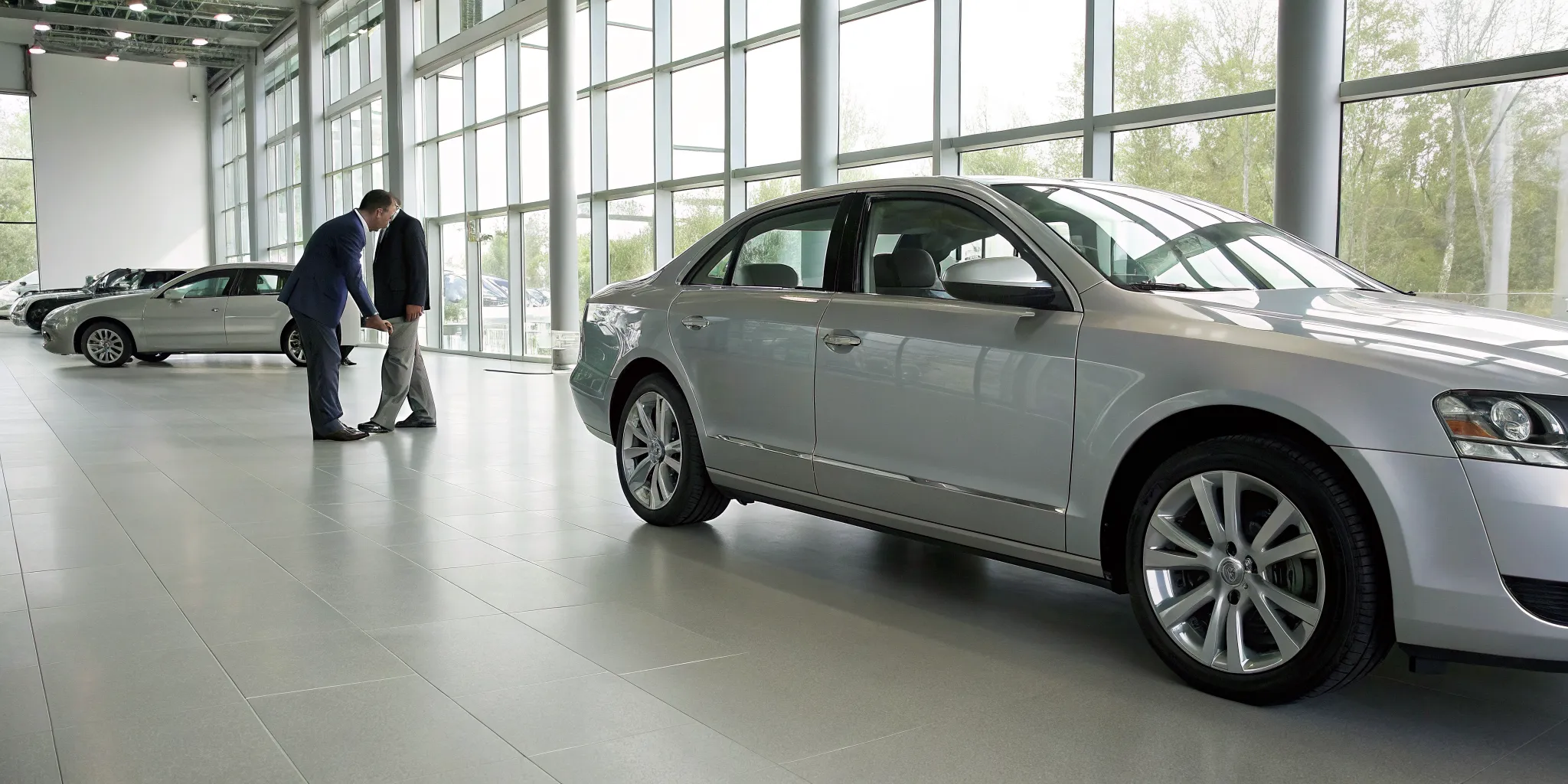
Find out how budget car sales can help you get a reliable, high-quality car without overspending. Get expert tips for smart, stress-free car shopping.
Let’s talk about one of the smartest financial moves you can make: buying a nearly-new car. While some people are hesitant, the truth is that the best deals are found in vehicles that are just a few years old. Someone else has already paid for the steepest depreciation, and you get a modern, reliable car for a fraction of the original cost. This is the secret to successful 'budget car sales'—focusing on value, not just the lowest price. Forget the myths about used cars being unreliable. We’ll show you how to find low-mileage, well-maintained vehicles with the features you want, and how to secure one without the typical dealership hassle.
Key Takeaways
- Prioritize overall value, not just the sticker price: A great deal means getting a reliable car that fits your life. Look for late-model vehicles with low mileage and modern features that have passed a thorough certification process to ensure quality.
- Do your homework before you start looking: Set a realistic budget that includes taxes and fees, review the vehicle history report for any red flags, and always perform a detailed inspection and test drive. A little preparation gives you major confidence.
- Use an auto broker to skip the dealership stress: Working with a broker saves you time and money by letting an expert handle the search, price negotiation, and financing. They work for you, not the seller, and can even have your perfect car delivered to your door.
How to Shop for a Car on a Budget
Shopping for a car on a budget doesn’t mean you have to settle for less. It’s about being strategic to find a high-quality vehicle that fits your finances. The key is to focus on value, not just the lowest price tag. A great deal means getting a reliable, modern car without overextending yourself financially. It requires a bit of know-how, but the peace of mind you get from making a smart purchase is well worth it. By understanding what makes a quality used car, where to find fair prices, and how inventory is sourced, you can confidently find a vehicle you love.
The used car market offers incredible opportunities if you know where to look. You can find vehicles that are only a few years old, packed with modern features, for a fraction of the cost of a new car. This is because new cars depreciate fastest in their first couple of years. Someone else has already paid for that initial drop in value, and you get to reap the benefits. The trick is to sidestep the traditional, high-pressure dealership environment and find a better way to buy. We’ll walk through how to identify top-tier used cars, secure a great price without the headache of haggling, and feel confident about where your next car came from.
Finding quality makes and models
A smart budget strategy often leads to "later-model" vehicles. These are cars typically just two to three years old that offer the perfect balance of modern technology and significant savings. Because they’ve moved past their initial, steep depreciation, you get a nearly-new car experience without the brand-new price. Many of these vehicles come from well-maintained sources, like former corporate fleets or lease returns, where they received regular professional service. This means you can find a reliable Toyota, Jeep, or Kia with low mileage and up-to-date features. Exploring a curated inventory can help you see just how much quality you can get for your money.
Where to find the best deals
The best deal is about more than just the sticker price; it’s about transparency and fairness. Look for sellers who offer clear, no-haggle pricing, often set below the Kelley Blue Book (KBB) value. This approach saves you from the stress of negotiation and protects you from hidden fees that can inflate the final cost. An auto broker can be your biggest ally here. With deep industry connections, a broker can secure competitive pricing that isn’t typically available to the public. They handle the entire purchasing process, ensuring the price you see is the price you pay, making your car-buying experience straightforward and honest.
Understanding how inventory is sourced
Knowing where a used car comes from can tell you a lot about its condition. Reputable sellers source their vehicles from various places, including customer trade-ins, end-of-lease returns, and direct purchases from auctions or other dealers. Cars that were part of a rental or corporate fleet are often excellent choices because they usually come with detailed maintenance records showing they were professionally cared for. An auto brokerage service takes the guesswork out of this process. A core part of the brokerage model is vetting each vehicle's history and source, so you’re only presented with high-quality, reliable options you can trust.
Key Signs of a Quality Used Car Purchase
Buying a used car can feel like a huge gamble, but it doesn't have to be. When you know what to look for, you can easily spot a great vehicle and a trustworthy seller. It’s all about recognizing the green flags that signal a smart purchase. These signs separate a reliable car from a potential problem, giving you the confidence to drive off the lot (or have the car delivered to your door) without any second-guessing. Think of it as your expert checklist for finding a car you’ll love for years to come. A quality purchase isn't just about the car itself; it's about the entire experience. It's about feeling respected as a buyer and secure in your decision. The best sellers make this easy by being transparent and putting their best foot forward. By paying close attention to the details of the pricing, the vehicle's history and condition, and the policies the seller has in place, you can turn a potentially stressful process into a simple, successful purchase. We'll walk through exactly what those signs are, so you can shop with total clarity.
Fair, transparent pricing
One of the clearest signs of a quality deal is straightforward pricing. A reputable seller will offer cars at a fair market value, often set at or below industry standards, without tacking on surprise fees at the last minute. Look for a "what you see is what you pay" approach. This transparency means you don't have to waste time or energy haggling. It shows the seller is confident in their vehicles and respects your time. When a price is fair from the start, it builds a foundation of trust and lets you focus on what really matters: finding the right car for you. This is a core part of how we secure competitive pricing for our clients.
The importance of a certification process
A thorough certification process is another non-negotiable. Think of it as a top-to-bottom physical for the car. A quality seller will put every vehicle through a rigorous inspection to ensure it meets high standards for safety, performance, and quality. This process should check everything from the engine and transmission to the electronics and air conditioning. Knowing a car has passed this kind of inspection provides incredible peace of mind. It means a professional has already vetted the vehicle, so you can feel secure knowing you’re investing in something reliable that won't come with immediate, unexpected repair bills.
Finding low-mileage, modern vehicles
You don't have to buy brand new to get modern features. The sweet spot for used cars is often in later-model vehicles that are just two or three years old. These cars typically have low mileage, meaning less wear and tear and a longer life ahead of them. They also come equipped with the technology you expect, like advanced safety features, better fuel efficiency, and infotainment systems. Choosing a low-mileage, modern vehicle is a smart way to get the best of both worlds: you get a car that feels new without the steep depreciation of buying straight from the factory. You can see examples of these types of cars in our inventory.
Look for buyer-friendly policies
Finally, a seller’s policies can tell you a lot about the quality of their cars. Look for buyer-friendly offerings like a complimentary warranty. For example, a 12-month or 12,000-mile warranty provides a valuable safety net, giving you extra assurance in your purchase. These policies show that the seller stands behind their vehicles and is committed to your satisfaction long after you've made the purchase. It’s a strong signal that they are confident in the quality of their inventory and are focused on building a positive, lasting relationship with their customers.
How to Handle Warranties and Financing
Let’s talk about the two parts of car buying that can feel the most intimidating: warranties and financing. It’s easy to get overwhelmed by the paperwork and the numbers, but it doesn’t have to be that way. When you know what to look for and how to prepare, you can handle these steps with confidence. Think of it as setting yourself up for success, ensuring you not only get a great car but also a great deal that protects you down the road. A white-glove service handles these details for you, turning a stressful process into a simple one.
What to look for in a used car warranty
A warranty is your safety net when buying a used car. While a thorough inspection and vehicle history report are essential, a good warranty provides an extra layer of security against unexpected repairs. Look for a warranty that offers clear, comprehensive coverage for a reasonable period. For example, some of the best programs include a 12-month or 12,000-mile warranty at no extra cost. This shows that the seller is confident in the quality of their vehicles and is willing to stand behind them. Don’t just glance at the warranty; understand what it covers, including the engine, transmission, and other major components, so you can drive away with true peace of mind.
Securing financing, no matter your credit
Worried that your credit score might stand in the way of your next car? Take a deep breath. While credit history is a factor in financing, it’s not the only thing that matters. The key is working with a service that has access to a wide network of lenders, including local credit unions and major banks. This is a core part of our process because it allows us to find flexible options for people with all types of credit. A great auto broker won’t just find you a car; they’ll work on your behalf to find a financing solution that fits your situation, so you can focus on the excitement of getting your new vehicle.
Why multiple lender options matter
When you only have one financing offer on the table, you have no leverage. That’s why having access to multiple lenders is so important. When lenders compete for your business, you win. This competition allows you to compare different rates and terms side-by-side, ensuring you get the best possible deal for your budget. It’s the difference between accepting the first offer you see and choosing the one that truly works for you. An experienced broker can manage this process, presenting you with the top options so you can confidently select a loan with a lower interest rate and more favorable terms, saving you money over the life of the loan.
Get pre-approved before you shop
One of the smartest moves you can make is to get pre-approved for a loan before you even start looking at cars. Pre-approval gives you a clear, realistic budget to work with and shows sellers that you are a serious buyer. This step streamlines the entire purchase, removing financing as a last-minute hurdle. Knowing your budget upfront empowers you to shop confidently and negotiate from a position of strength. It simplifies how the buying process works and lets you focus on what really matters: finding the perfect car that fits your needs and your budget without any surprises.
How to Read Between the Lines of Customer Reviews
Car shopping can feel like a huge undertaking, and online reviews are often the first place we turn for guidance. But scrolling through pages of five-star raves and one-star rants can leave you more confused than when you started. How can one person have the "best experience ever" while another warns you to "stay away"? The key isn't just to read reviews, but to understand what they're really telling you. Learning to decode customer feedback helps you look past the noise and focus on what truly matters: finding a quality car from a trustworthy source, without the headache. Think of it as your secret weapon for making a smart and confident purchase. When you know what to look for, you can spot patterns, identify genuine experiences, and ultimately use other people's feedback to your advantage. This skill is invaluable whether you're walking onto a lot or choosing a service that brings the car to you. It empowers you to ask the right questions and recognize the signs of a business that values its customers over a quick sale.
Spotting genuine praise
It’s easy for any business to get a few generic five-star ratings, but genuine praise has a different feel. Look for reviews that tell a story. A truly happy customer often shares specific details about their experience that a fake or low-effort review will miss. Did they mention the salesperson by name? Did they talk about the exact car they bought and how the process felt? A review that says, “They found the exact car I wanted and the process was so easy,” is much more telling than a simple, “Great service!” Specifics are hard to fake and show that the person had a memorable, positive experience. These detailed accounts are the green flags that signal you’re looking at a business that consistently delivers on its promises.
Identifying common red flags
Just as specific praise is a good sign, specific and recurring complaints are a major red flag. A single bad review might just be a one-off situation, but a pattern of them is a warning. Pay close attention if you see multiple people mentioning the same issues. Are customers consistently complaining about waiting for hours, feeling pressured, or discovering that the car they saw online wasn't actually available? These are signs of systemic problems. For example, a review mentioning, "I was there for hours and they ran my credit multiple times," points to a potentially frustrating and inefficient process. You can check a business's profile on the Better Business Bureau to see if these informal complaints have become formal ones.
Using reviews to your advantage
Think of customer reviews as a free collection of insider tips. They don’t just help you avoid bad dealerships; they help you find the right one for you. When you read through them, you can piece together a clear picture of what to expect. If multiple reviews praise a dealership’s no-haggle pricing, you know you can likely expect a straightforward conversation about cost. You can also use reviews to prepare your questions. If you see a comment about a limited truck selection, you can call ahead to confirm they have the type of vehicle you’re looking for. This is where a service-first model really stands out; a great auto broker, for instance, builds their entire process around eliminating these common pain points from the start.
Debunking Common Myths About Used Cars
The world of used cars is filled with outdated advice and persistent myths that can make anyone hesitant. It’s easy to feel like you’re taking a huge risk. But the truth is, the pre-owned market has changed dramatically. Knowing fact from fiction is the first step toward finding a fantastic vehicle that fits your budget and your life. Let’s clear up a few of the most common misconceptions so you can shop with confidence.
"Used cars are unreliable"
This is probably the biggest myth out there. The idea that a used car is just someone else's problem waiting to happen is a leftover from a different era. While it's true that any car can have issues, many pre-owned vehicles are incredibly dependable. The key is knowing what to look for. Modern cars are built to last longer than ever, and many come off short-term leases with low mileage and a solid maintenance history. A thorough certification process ensures that a vehicle is in top shape before it even reaches you, giving you peace of mind.
"Financing a used car is difficult"
Another common worry is that securing a loan for a pre-owned car will be a complicated mess with high interest rates. This simply isn't the case anymore. Plenty of lenders are happy to finance used vehicles, and there are many flexible financing options available for a wide range of credit situations. An auto broker can be a huge help here. Instead of you having to shop around for rates, a broker leverages their relationships with multiple lenders to find a competitive loan that works for you, streamlining the entire process.
"Used cars lack modern safety features"
If you think buying used means giving up on the safety tech you want, think again. You don't have to buy a brand-new car to get features like blind-spot monitoring, automatic emergency braking, or a rearview camera. Many late-model used cars are equipped with the exact same modern safety features as their newer counterparts. When you work with a service that has access to a massive inventory, you can specify the safety technology you want, and they can find a pre-owned vehicle that checks all your boxes without the new-car price tag.
Your Pre-Purchase Checklist for Any Used Car
Buying a used car can feel like a big undertaking, but it doesn’t have to be stressful. When you have a clear plan, you can approach any vehicle with confidence and make a smart decision. This pre-purchase checklist walks you through the essential steps to take before you commit, so you know exactly what you’re getting. Think of it as your personal guide to finding a quality car you’ll love for years to come. A little preparation goes a long way in making sure your next vehicle is a great one, without any unwelcome surprises.
Always check the vehicle history report
It’s a common fear that every used car has a secret past the seller is trying to hide. The best way to quiet that worry is to pull a vehicle history report. This document is your window into the car’s life story, revealing crucial information like major accidents, title problems, odometer rollbacks, and past service records. Getting this report is a non-negotiable step that helps you verify the car’s condition and confirm the seller’s claims. You can easily get a vehicle history report online, and it’s worth every penny for the peace of mind it provides.
How to properly inspect and test drive a car
A car can look perfect in photos, but the real test is how it performs in person. Before you even turn the key, do a thorough walk-around inspection. Look for rust, dents, and mismatched paint, which could signal a past repair. Check the tires for even wear. Inside, test every button, switch, and feature to make sure it all works. Then, take it for a drive that mimics your daily routine. A proper test drive should include a mix of city streets and highway speeds. Pay attention to how the car accelerates, brakes, and handles, listening for any unusual noises or vibrations.
Spotting hidden fees and title problems
The price on the windshield is rarely the final amount you’ll pay, especially at a traditional dealership. To avoid surprises, always ask for the "out-the-door" price, which includes all taxes and fees. Read every document carefully before signing and question any vague charges like "dealer prep" or "reconditioning fees." You also need to confirm the car has a clean title. A "salvage" or "rebuilt" title indicates the car was once declared a total loss by an insurance company. You can often check a VIN for free to see if a vehicle has been reported as stolen or salvaged, protecting you from potential title problems down the road.
Find the Perfect Used Car for Your Budget
Finding a car that fits your life and your finances can feel like a huge task, but breaking it down makes it much more manageable. It all starts with knowing your numbers and your needs. Once you have a clear picture of what you're looking for, you can confidently find a quality used car without the stress. This approach ensures you end up with a vehicle you love at a price you’re comfortable with. Let’s walk through how to get there.
How to set a realistic car budget
Before you even think about makes and models, the first step is to set a realistic budget. This goes beyond the sticker price. To avoid any surprises, it’s smart to determine your all-in budget, which includes extra costs like taxes, title, and registration fees. Don’t forget to factor in insurance and potential maintenance costs, too. Knowing your total number upfront gives you a clear, confident price range to work with. This simple step prevents you from falling in love with a car you can’t comfortably afford and keeps the entire process grounded and stress-free.
Decide on your must-haves vs. nice-to-haves
Now for the fun part: making your wish list. Grab a pen and paper and create two columns: "must-haves" and "nice-to-haves." Your must-haves are the non-negotiables. This could be all-wheel drive for winter weather, a third row for your growing family, or specific safety features. Nice-to-haves are the perks you’d love but could live without, like a sunroof, a premium sound system, or a specific color. This exercise helps you focus your search and communicate your needs clearly. You can start exploring our online inventory to see what features are available on different models and refine your list.
Balancing mileage, age, and condition
Finding the sweet spot between a car's mileage, age, and overall condition is key to getting a great value. A newer car might have higher mileage from highway driving, while an older car could have very low miles but need more maintenance. The goal is to find a gently used, well-cared-for vehicle. This is where working with an experienced broker makes a difference. We leverage our expertise to source modern, low-mileage cars and thoroughly vet their condition, so you don't have to. Our process is designed to find that perfect balance for you, ensuring you get a reliable car without the guesswork.
New vs. Pre-Owned: Which Is Right for You?
Deciding between a brand-new car and a pre-owned one is one of the biggest choices you'll make during your car search. There’s no single right answer, as the best option really comes down to your budget and priorities. One person might value a full factory warranty above all else, while another is focused on getting the most car for their money. Let's walk through the benefits of each so you can feel confident in your decision.
The case for buying a new car
There’s an undeniable appeal to being the very first owner of a car. Beyond that new-car smell, you get the latest and greatest features. As one popular buying guide notes, new cars come with the most current technology, safety features, and comprehensive warranties, which provides a lot of peace of mind. You don't have to wonder about the car's history because you're starting its story. With a service like Automated Brokers, you can get all these benefits without the dealership markup. We source new cars for our clients at or below the invoice price, giving you the best of both worlds: a brand-new vehicle and a price you can feel great about.
Why a pre-owned car is often the smarter choice
The biggest advantage of buying a pre-owned car is simple: you can save a lot of money. New cars lose a significant chunk of their value in the first few years, so letting someone else take that initial depreciation hit means your money goes further. While some people worry about reliability, the truth is that many common myths about buying used cars are often overblown; modern pre-owned vehicles are more dependable than ever. The key is to purchase from a trusted source. We carefully select our pre-owned inventory, focusing on late-model vehicles that meet our high standards for quality and performance, so you can skip the uncertainty and drive away in a car you love.
A Smarter Way to Buy: The Auto Broker Advantage
If you’re looking for a quality car on a budget, you might be dreading the traditional buying process. The good news is, you don’t have to go it alone. Working with an auto broker is a modern, intelligent alternative that saves you time, money, and stress. Instead of you doing the work, an expert handles the entire process, from finding the car to bringing it right to your driveway. It’s a white-glove service designed to make car buying feel less like a chore and more like the exciting milestone it should be.
This approach puts you back in the driver’s seat, figuratively speaking, by pairing you with a professional who advocates for your best interests. Forget about spending your free time researching, visiting lots, and haggling. An auto broker cuts through the noise, using their industry expertise and network to find exactly what you’re looking for at a price that fits your budget. It’s a smarter, more efficient way to buy a vehicle that respects your time and your wallet. Let’s explore how this approach can completely change your next car purchase for the better.
Skip the dealership hassle for good
Let's be honest, spending weekends hopping between dealerships isn't anyone's idea of fun. The high-pressure sales tactics, the endless waiting, and the feeling that you might not be getting the full story can be exhausting. An auto broker completely changes this experience. Instead of you doing all the legwork, a broker handles the entire search for you. They listen to what you want in a car and then tap into their network to find it. This means you can say goodbye to pushy salespeople and wasted afternoons. The entire process is streamlined, giving you back your valuable time and peace of mind. It's a modern approach that puts your needs first, which is why we believe it's the best way to buy a car.
Get competitive pricing without the negotiation
One of the biggest stressors of car buying is haggling over the price. With an auto broker, you can leave the negotiation to a professional. Brokers aren't tied to a single dealership's inventory, so they have the freedom to shop around and find the best possible deals. Their job is to work for you, leveraging their industry connections to secure competitive pricing that you might not get on your own. Because they handle a high volume of transactions, they often have access to prices at or even below the dealer invoice for new cars. This means you get a fair price on a huge selection of inventory without the back-and-forth, making the financial side of buying a car much more transparent and straightforward.
Have your perfect car delivered to your door
Imagine finding your ideal car without ever setting foot in a dealership and then having it delivered directly to your home or office. That’s the reality of using a white-glove brokerage service. Once your broker locates the perfect vehicle and secures a great price, they coordinate the final steps, including delivery. This service transforms car buying from a logistical headache into a genuinely exciting moment. Whether you’re in Maryland or across the country, the car comes to you. This convenience is a game-changer, especially for busy professionals or anyone who values a simple, seamless experience. You can see exactly how it works by letting an expert handle the details, so all you have to do is sign the papers and get your keys.
See how Automated Brokers simplifies your purchase
Working with an auto broker is about more than just convenience; it’s about having an expert guide you through every step. At Automated Brokers, we provide a personalized service that makes your car buying journey smooth and simple. We start by understanding your needs, from your budget to your must-have features. Then, we handle everything: sourcing the vehicle, negotiating the price, and arranging financing for all credit types. Our team has over 30 years of experience, and we use it to ensure you feel confident and cared for. We’re here to answer your questions and manage the details so you don’t have to. Ready to experience a better way to buy a car? Get in touch with our team today.
Frequently Asked Questions
What's the main advantage of using an auto broker instead of just going to a dealership? Think of an auto broker as your personal car-buying advocate. A dealership's goal is to sell the cars they have on their lot. A broker, on the other hand, works for you. We don't have our own inventory to push, so our only goal is to find the exact car you want, from a huge network of sources, at the best possible price. We handle the search, the negotiation, and the paperwork, saving you from the dealership hassle.
I'm worried about my credit. Can an auto broker still help me get financing? Yes, absolutely. This is a common concern, and it's one of the key areas where we can help. Because we have long-standing relationships with a wide variety of lenders, including banks and credit unions, we can often find flexible financing solutions for people with all types of credit. We work on your behalf to find the most competitive rates and terms available for your situation.
Where do you get your cars from, and how do I know they're in good condition? We source our vehicles from a wide range of trusted places, including end-of-lease returns, corporate fleets, and direct trade-ins. We are very selective about the cars we offer. Every vehicle goes through a thorough vetting process, which includes a detailed inspection and a review of its history report, to ensure it meets our high standards for quality and reliability.
How does using a broker help me stick to my budget? Sticking to a budget is about more than just the sticker price. We help by securing competitive, no-haggle pricing and finding the best financing rates possible, which keeps your monthly payments in check. We also ensure there are no hidden fees or last-minute surprises. By managing the entire financial picture, we make sure the final cost is transparent and fits comfortably within the budget you set.
Do I have to live nearby to use your service? Not at all. While we are based in Maryland, we offer nationwide delivery. The entire car buying process, from the initial search to the final paperwork, can be handled remotely. Once we find your perfect car and finalize the details, we will arrange for it to be delivered directly to your home or office, no matter where you are in the country.