How to Buy Used Cars the Smart Way: A Guide
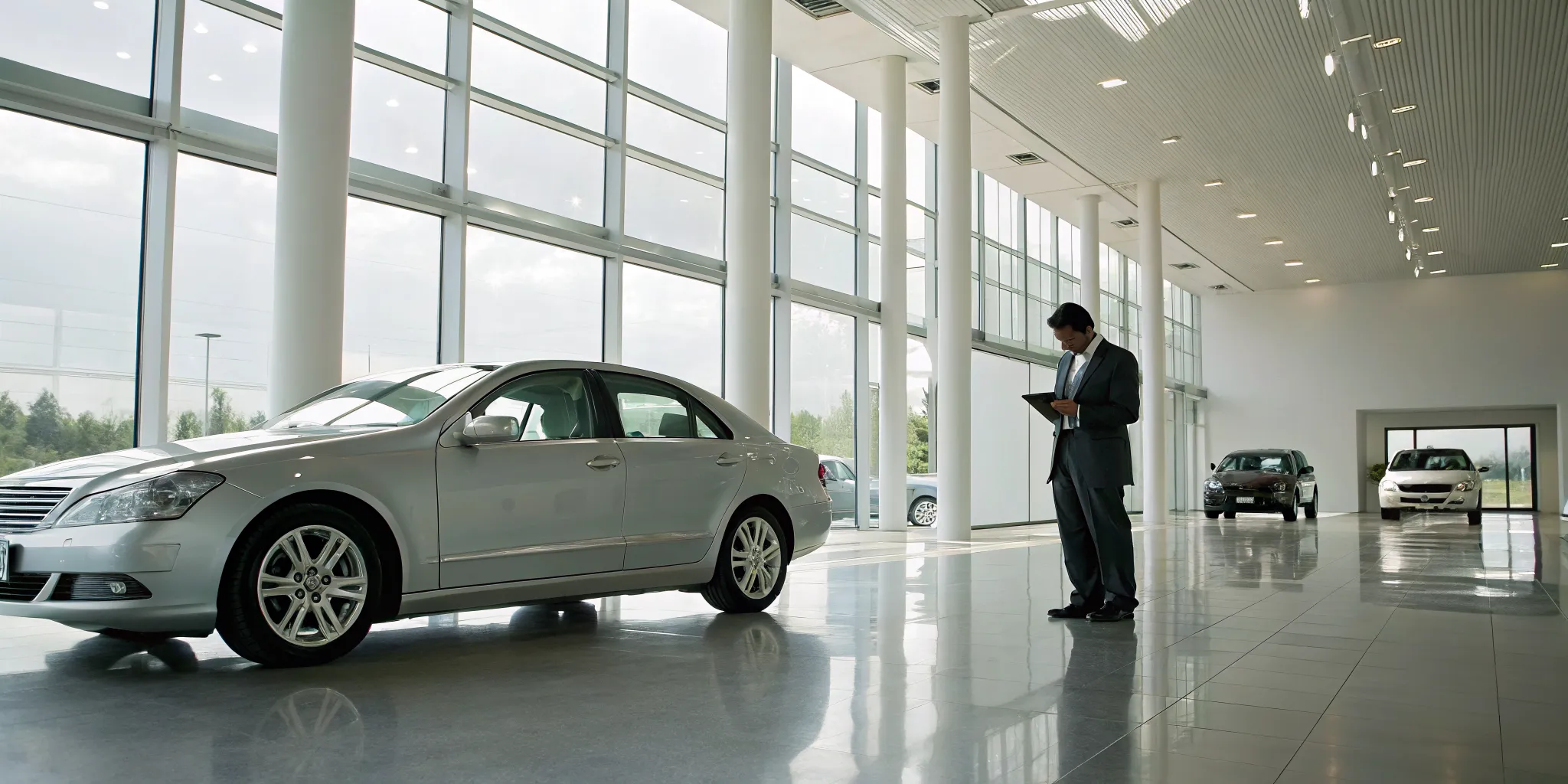
Learn how to buy used cars with confidence. Get practical tips on finding reliable vehicles, negotiating prices, and avoiding common mistakes.
Your budget has more power than you think. While a new car might seem like the ultimate goal, your money can often get you a much better vehicle if you shop smart. When you buy used cars, you let the original owner pay for the steepest depreciation, which means you can afford more. That budget for a base-model sedan could suddenly put you in a lightly used SUV with all-wheel drive, or a luxury model with the premium features you thought were out of reach. It’s about getting more car for your money and a better driving experience without the premium price tag.
Key Takeaways
- Preparation is your most powerful tool: Before you start shopping, set a firm budget, get pre-approved for a loan, and research the market value of cars you are interested in. This homework gives you the confidence and leverage to negotiate a fair price and avoid overpaying.
- Verify the car's history and condition: A car's past is the best predictor of its future performance. Protect your investment by getting a professional pre-purchase inspection, pulling a vehicle history report, and confirming the car has a clean title with no open recalls.
- Execute the purchase with confidence: Use your research to negotiate the total "out-the-door" price, not just the sticker price. Avoid common mistakes like rushing the decision, and always be prepared to walk away if the deal is not right for your budget.
The Smart Case for Buying Used
Let's be honest, the allure of a new car is strong. That new-car smell, the untouched interior, the zero on the odometer. But making a smart financial decision often means looking past that initial sparkle. Opting for a used car isn't just about saving a few bucks; it's a strategic move that can save you a significant amount of money both at the time of purchase and for years to come. When you buy used, you sidestep the biggest financial hit new car owners face: depreciation.
This allows your hard-earned money to go further. You'll not only pay less for the car itself, but you'll also find savings on related costs like insurance and registration fees. Perhaps the most exciting part is that buying used can put a better car in your driveway. Your budget might stretch to a higher trim level with more features, or even a more premium brand than you could afford new. It’s about getting more value and a better experience for your money, which is a win-win. Let's break down exactly why choosing a pre-owned vehicle is one of the smartest plays you can make.
Pay Less Upfront, Lose Less Over Time
The single biggest advantage of buying a used car is avoiding the massive drop in value known as depreciation. A brand-new car can lose 20% or more of its value within the very first year. That means a $40,000 car could be worth just $32,000 twelve months later. When you buy a car that's a few years old, the original owner has already absorbed that huge initial loss. You're paying a price that's much closer to the car's true market value.
This means your investment is more stable. While all cars lose value over time, the rate of depreciation slows down dramatically after the first few years. You get to enjoy the car without watching thousands of dollars vanish in the rearview mirror. This financial stability gives you more freedom and a better return on your investment when it's eventually time to sell or trade it in.
Save on Insurance and Fees
Your savings don't stop at the sticker price. A lower vehicle value typically translates to lower insurance premiums. Insurance companies calculate rates based on a number of factors, and the cost to replace the car if it's totaled is a big one. Since a used car has a lower replacement value than its brand-new counterpart, your monthly or annual insurance payments will almost always be more affordable.
Beyond insurance, you can also save on taxes and registration fees. In many states, these fees are calculated based on the vehicle's transaction price or current market value. A lower purchase price means you'll pay less in sales tax upfront. Similarly, annual registration or excise taxes are often lower for older, less valuable cars. These seemingly small savings add up over the lifetime of your car ownership, keeping more money in your pocket year after year.
Get More Car for Your Money
This is where buying used gets really fun. Your budget suddenly has more power. That same amount of money that would get you a base-model new car can often land you a two or three-year-old vehicle from a more luxurious brand or a higher trim level with features like leather seats, a sunroof, and advanced safety technology. You get to enjoy a more premium driving experience without the premium price tag.
Think about it: a budget for a new entry-level sedan could potentially get you into a lightly used SUV with all-wheel drive and a top-tier sound system. By letting someone else pay for the initial depreciation, you can access a class of vehicle that might have otherwise been out of reach. This is the ultimate way to maximize your car-buying budget and get a car you truly love driving every day.
Finding a Reliable Used Car Brand
When you’re shopping for a used car, the brand name on the grille is more than just a logo; it’s a starting point for predicting your ownership experience. While every pre-owned vehicle has its own unique history, some brands consistently build cars that stand the test of time. Focusing your search on brands with a reputation for reliability is one of the smartest moves you can make. It simplifies your search and sets you up for fewer surprise repair bills and more years of happy driving. This isn't about brand loyalty, it's about making a practical financial decision.
Think of it as stacking the deck in your favor. A car from a dependable brand is more likely to have been engineered with longevity in mind, which often translates to lower long-term costs. Of course, you still need to do your due diligence on the specific car you’re considering, but starting with a solid foundation makes all the difference. At Automated Brokers, we source a wide range of vehicles, and our inventory often includes these tried-and-true brands because we know they deliver the value and peace of mind our clients expect. Choosing a reliable brand is the first step toward finding a car you’ll love for years to come, and it helps narrow down the overwhelming number of options out there.
Top Tiers: Toyota & Kia
If your top priority is a car that just works, day in and day out, it’s hard to go wrong with Toyota or Kia. These two brands consistently land at the top of reliability rankings. For instance, Consumer Reports evaluates brands based on the performance of their 5- to 10-year-old models, and Toyota and Kia are perennial favorites. Their long-standing reputation for reliability isn't just talk; it means you can expect to save money on unexpected repairs and enjoy a lower total cost of ownership. For buyers who want a dependable vehicle that holds its value well, starting your search with these two brands is a fantastic strategy.
Consistent Performers: Honda & Mazda
Just behind the top contenders, you’ll find other Japanese automakers known for their quality engineering. Honda and Mazda have also earned their spots as highly reliable brands, frequently receiving high marks for consumer satisfaction and long-term performance. These cars are known for being fun to drive without sacrificing the dependability you need in a daily driver. When considering a Honda or Mazda, it’s always a good idea to research reliability ratings for the specific model and year you’re interested in. This extra step helps ensure you’re choosing a vehicle with a proven track record, giving you an even greater chance of making a smart purchase.
Adventure-Ready Choices: Jeep & Subaru
For those whose weekends involve more than city driving, brands like Jeep and Subaru offer the durability and capability you need. Both are famous for their rugged performance and off-road prowess, making them go-to choices for outdoor enthusiasts or anyone living with tough weather conditions. While these vehicles are built to be tough, their adventurous pasts mean a thorough inspection is non-negotiable. Before you commit, it’s crucial to take a test drive, and if possible, have a trusted mechanic evaluate its condition. This ensures the vehicle is mechanically sound and ready for whatever journey you have planned next.
Where to Find Your Next Used Car
Once you know what kind of car you're looking for, the next big question is where to find it. The days of being limited to the used car lot down the street are long gone. You have several paths you can take, each with its own pros and cons. From the security of a dealership to the vast world of online listings, let's walk through your main options so you can decide which route is right for you. Understanding where to look is the first step in finding a great vehicle without the headache.
The Dealership Route: Certified Pre-Owned
If you're looking for extra peace of mind, a dealership's Certified Pre-Owned (CPO) program can be a great place to start. These vehicles have passed a multi-point inspection set by the manufacturer and often include an extended warranty, roadside assistance, and a detailed vehicle history report. This option removes a lot of the guesswork that can come with buying used. The main trade-off is the price. Certified Pre-Owned (CPO) cars are inspected and come with a warranty, but they usually cost more than other used cars. You're paying a premium for the dealership's stamp of approval and the added security that comes with it.
Digital Deep Dives: Online Marketplaces
For a massive selection right at your fingertips, online marketplaces are hard to beat. These websites gather listings from dealerships and private sellers all over the country, making it easy to compare options from your couch. Sites like UsedCars.com aim to make it easy to find a used car that fits your needs, letting you filter by make, model, and price. Others, like TrueCar, have nearly a million used cars listed, with inventory updated daily. Some platforms even help you figure out if you're getting a good deal. For example, CarGurus uses data to show if a car's price is a good deal, fair, or too high, which gives you more confidence in your search.
The Direct Approach: Private Sellers
Buying directly from a private seller on a platform like Facebook Marketplace or Craigslist can sometimes land you the best deal. You get to skip the dealership overhead and negotiate directly with the owner. However, this route carries the most risk. Many used cars, especially from private sellers, are sold "as-is," meaning you buy them with all their current problems. It’s on you to arrange for a pre-purchase inspection and verify the vehicle's history and title. While you might save money upfront, you need to be extra diligent to avoid buying a car with hidden issues that could cost you a fortune down the road.
The Concierge Experience: Auto Brokers
If you want the wide selection of the online market without the hassle and risk, an auto broker is your best bet. A broker works for you, not a dealership. We handle everything from sourcing the perfect car to negotiating the price and arranging the paperwork. This concierge service means you can skip the dealership entirely. Brokers often have access to a wider inventory than what’s available to the public, including high-quality, pre-owned vehicles at fair market prices. We also help with financing. While traditional auto loans are common, a broker can help you find the best rates and terms for your budget, and then have the car delivered right to your door.
How to Know What a Used Car Is Worth
Figuring out what a used car is worth can feel like a mystery, but it doesn't have to be. With the right information, you can walk into any negotiation feeling confident and prepared. Think of it as doing your homework before a big test. When you understand the true market value of a car, you protect yourself from overpaying and can spot a genuinely good deal when you see one. It’s the most effective tool you have for ensuring you get a fair price. This process involves a little bit of research, but it’s straightforward and well worth the effort.
You’ll start with trusted online guides to get a baseline price, then see how that number stacks up against what cars are actually selling for in your area. Finally, you’ll adjust that value based on the specific car’s history and condition. It’s a simple, three-step process that takes the guesswork out of pricing. While an auto broker like Automated Brokers handles this legwork for you by sourcing pre-owned vehicles at market prices, knowing how it’s done puts you in the driver’s seat. Understanding the fundamentals of car valuation empowers you, even when you have an expert on your side.
Start with the Pricing Guides (KBB, Edmunds)
Your first stop should always be the major online pricing guides. Kelley Blue Book (KBB) and Edmunds are the industry standards for a reason. These sites gather massive amounts of data to give you a solid estimate of a car's value based on its make, model, year, mileage, and general condition. KBB is so widely used that its values are often the starting point for dealership and private-party sales alike. Using these reputable pricing guides gives you an objective baseline, so you’re not just relying on the seller’s asking price. Just enter the car’s details, and you’ll get a clear, data-backed price range.
Compare Local Listings
Once you have a baseline value from KBB or Edmunds, it’s time to bring your research into the real world. A car’s value can change depending on where you live, so it’s important to see what similar vehicles are selling for in your local market. Websites like TrueCar make it easy to find used cars for sale in your area. By searching your ZIP code, you can see dozens of listings for the same make and model you’re interested in. This step helps you understand local supply and demand and gives you a realistic sense of what you should expect to pay. If local prices are consistently higher or lower than the KBB value, you’ll know why.
Account for Mileage, Age, and Condition
The numbers from pricing guides and local listings are based on averages, but the specific car you’re looking at is unique. Its individual history and condition play a huge role in its final worth. High mileage and advanced age will naturally lower a car’s value, but condition is the real wild card. Look closely for dents, rust, or mismatched paint. A vehicle history report will tell you about past accidents or title issues. It’s also smart to favor brands known for reliability, as a well-maintained Toyota will hold its value better than a less-dependable car with the same mileage.
Your Pre-Purchase Inspection Checklist
Once you’ve found a car that looks good on paper, it’s time for the most important hands-on step: the inspection. This is your chance to verify the car’s condition and make sure there are no hidden surprises. Even if you aren’t a car expert, you can spot many potential red flags with a careful walkthrough. Think of this as your personal quality control check. While this list will help you cover the basics, it’s always a smart move to have a trusted mechanic perform a professional pre-purchase inspection before you finalize the deal. For services like ours at Automated Brokers, a thorough inspection is a standard part of our white-glove process, ensuring you get a quality vehicle every time.
Check the Exterior and Body
Start by walking around the car in broad daylight. Look for any inconsistencies in the paint, which could indicate a past accident repair. Check for rust, especially along the wheel wells, under the doors, and on the frame. Dents and dings are common on used cars, but significant body damage is a red flag. Also, make sure the gaps between the body panels are even. Uneven gaps can mean the car was poorly repaired after a collision. Finally, look for any signs of flood damage, like a musty smell in the cabin, foggy headlights, or silt in the trunk.
Look Under the Hood
You don’t need to be a mechanic to do a basic under-the-hood check. With the engine off and cool, pop the hood and look for obvious issues like fluid leaks, cracked hoses, or frayed belts. Check the engine oil dipstick; the oil should be a light brown color. If it’s milky or has gritty particles, it could signal a serious engine problem. Also, check the transmission fluid. It should typically be pink or red and smell clean, not burnt. While this initial look is helpful, it doesn’t replace a professional evaluation to confirm the car’s mechanical reliability.
Test the Interior and Electronics
Don’t let a great price distract you from the car’s interior condition. This is where you’ll be spending your time, so make sure everything works as it should. Turn on the car and test the air conditioning and heat. Go through all the electronics: the radio, infotainment screen, power windows, sunroof, and power seats. Check for excessive wear on the steering wheel, pedals, and driver’s seat, as this could suggest the car has more mileage than the odometer shows. Pay attention to the dashboard when you start the car; all the warning lights should illuminate briefly and then turn off.
Inspect the Tires and Brakes
Tires can tell you a lot about how a car has been maintained. Check the tread on all four tires; it should be worn evenly. You can use a penny to check the depth. If you can see all of Lincoln's head, the tires are worn and will need replacing soon. Uneven wear could point to an alignment or suspension issue. For the brakes, listen for any squealing or grinding noises during your test drive. You can also do a visual check of the brake rotors through the wheels to see if they are heavily scored or rusted.
Always Take a Test Drive
Skipping a thorough test drive is one of the biggest mistakes you can make when buying a used car. Plan to drive the car on roads you’re familiar with, including city streets and a highway, to see how it performs at different speeds. Turn off the radio and listen for any strange noises from the engine, suspension, or brakes. Does the transmission shift smoothly? Does the car pull to one side? A proper test drive gives you a real feel for the car’s performance and can reveal problems you wouldn’t find just by looking at it.
Don't Skip the Paperwork
You’ve found a car you love, taken it for a test drive, and inspected it from top to bottom. It feels like the one. But before you sign anything, it’s time for one last, crucial step: digging into the paperwork. This part might not be as exciting as a test drive, but it’s where you uncover the car’s true story. Think of it as a background check for your potential new ride. The paperwork reveals everything the car has been through, from accidents and repairs to its legal status. Skipping this step is like buying a house without an inspection; you could be inheriting a world of expensive problems you can't see.
A thorough paper trail confirms you’re making a sound investment, not just an emotional one. It protects you from title issues, hidden damage, and outstanding safety recalls that could put you at risk. This is also where a service like an auto broker really shines. A good broker handles all of this for you, pulling reports and verifying documents so you can be confident in your purchase without getting buried in details. The concierge experience is designed to give you peace of mind, ensuring every car is vetted long before you even see it. It transforms a tedious but necessary task into a seamless part of the process, letting you focus on the excitement of getting your new car.
Pull the Vehicle History Report
The single most important document you can get for a used car is its vehicle history report. This report is your window into the car's past, detailing crucial information like accident history, title problems (like flood or salvage damage), previous owners, and sometimes even service records. It’s an essential tool for spotting red flags that might not be visible during a physical inspection. Services like CARFAX or AutoCheck compile this data using the car’s unique Vehicle Identification Number (VIN). Don’t just take the seller’s word for it; always pull the report yourself to get an unbiased look at what you’re buying.
Check for Open Recalls
Recalls are issued by manufacturers when a vehicle has a known safety defect. These fixes are free, but it’s up to the owner to get them done. An older car could easily have one or more outstanding recalls that a previous owner ignored. Before you buy, you need to know if any exist. You can easily check for recalls using the car’s VIN on the National Highway Traffic Safety Administration (NHTSA) website. This ensures the vehicle is safe and up-to-date on all manufacturer-recommended fixes, protecting you and your passengers from potential issues down the road.
Verify a Clean Title
A car’s title is its legal proof of ownership, and not all titles are created equal. You want to see a "clean" title. This means the car has never been declared a total loss by an insurance company. Titles branded as "salvage," "rebuilt," or "flood" are major red flags. A salvage title means the car was so damaged that an insurer decided it wasn't worth repairing. While a rebuilt title means it was repaired and inspected, its structural integrity and long-term reliability can be compromised. Verifying a clean title is a non-negotiable step to avoid a vehicle with a troubled and potentially unsafe history.
How to Finance Your Used Car Without Overpaying
Finding the perfect used car is only half the battle; securing the right financing is what makes it a truly smart purchase. Getting this part right can save you thousands over the life of your loan and prevents a great car from becoming a financial burden. It’s about looking beyond the monthly payment to understand the total cost of your vehicle. By setting a clear budget, getting pre-approved, and understanding your options, you can approach any negotiation with confidence and drive away with a deal you feel great about.
Set Your Budget First
Before you even start looking at cars, you need to know what you can realistically afford. A solid budget prevents you from overspending and keeps your financial goals on track. A good starting point is to plan for a down payment of at least 10% to 20% of the car's price. A larger down payment reduces the amount you need to borrow and can help you secure a lower interest rate. Next, consider the loan term. While a longer term of 60 or 72 months gives you a lower monthly payment, you’ll pay significantly more in interest. A shorter term, like 36 or 48 months, saves you money in the long run. You can finance a used car smartly by balancing the monthly payment with the total interest paid.
Get Pre-Approved for a Loan
One of the most powerful steps you can take is getting pre-approved for a loan before you start shopping. Pre-approval from a bank, credit union, or online lender shows you exactly how much you can borrow and at what interest rate. This effectively turns you into a cash buyer, giving you more negotiating power. Just as you would shop around for an auto loan to find the best deal, getting pre-approved lets you compare offers without pressure. It separates the car-buying transaction from the financing one, so you can focus on getting a fair price for the vehicle itself. At Automated Brokers, we work with all credit types, but having a pre-approval in hand ensures you have a great baseline to compare against.
Understand How Your Credit Score Works
Your credit score is the single most important factor in determining the interest rate you’ll receive on a car loan. Lenders use it to gauge your reliability as a borrower, and the best interest rates generally go to those with the best credit. Before applying for loans, pull your credit report from a free service to see where you stand. If your score is lower than you’d like, look for any errors you can dispute or consider waiting a few months to improve it by paying down debt. Even a small increase in your score can lead to a lower annual percentage rate (APR), saving you hundreds or even thousands of dollars over the life of the loan.
Compare Lenders and Loan Terms
Once you have a few pre-approval offers, it’s time to compare them. Don’t just look at the monthly payment. Instead, focus on the APR and the total cost of the loan. Traditional auto loans can range from 24 to 72 months, and the term you choose has a huge impact on your total cost. Use a loan calculator to see how different terms affect the amount of interest you'll pay. A shorter loan term will have higher monthly payments but a lower overall cost. By comparing multiple offers, you can confidently choose the one that best fits your budget and financial goals, ensuring you don’t pay a penny more than you have to for your next car.
How to Negotiate a Fair Price
This is where all your hard work and research come together. Negotiating can feel intimidating, but it’s really just a conversation to find a price that works for both you and the seller. When you walk in with data and a clear budget, you’re not just a buyer; you’re an informed partner in the transaction. The goal isn’t to win a battle, but to confidently arrive at a fair number. By focusing on the facts, staying firm on your budget, and being ready to walk away, you hold all the cards you need to secure a great deal without the stress.
Use Your Research as Leverage
Your best tool in any negotiation is knowledge. All the information you gathered on pricing guides and local listings is your key to a fair price. Instead of just saying you want a lower price, you can show why. Point to specific, comparable listings in the area or reference the Kelley Blue Book value for that exact model and condition. Services like TrueCar analyze millions of listings to give you a clear picture of what people are actually paying for similar cars nearby. When you can say, “I’ve seen three other 2019 Highlanders with similar mileage listed for $1,500 less,” you shift the conversation from opinion to fact.
Focus on the "Out-the-Door" Price
A common mistake is negotiating only the sticker price of the car. A seller might agree to a lower number, only to add hundreds or thousands of dollars back in through documentation fees, dealer prep charges, and other miscellaneous costs. To avoid this, always negotiate the "out-the-door" price. This is the total amount you will pay, including the vehicle price, taxes, title, and all fees. Ask for a complete breakdown of the costs in writing. This ensures there are no surprises when it’s time to sign the papers. Just as you would carefully compare auto loan offers, you need to be just as diligent about the final price.
Be Prepared to Walk Away
Your strongest negotiating position is your ability to walk away. If the seller isn't willing to meet your budgeted price or the deal doesn’t feel right, it’s okay to say "thank you" and leave. This isn't a tactic; it's a commitment to your financial well-being. Sticking to a clear affordability plan, like the popular 20/3/8 rule, prevents you from making an emotional decision you might regret later. There are thousands of used cars out there. If this one isn’t the right fit for your budget, another one will be. Often, your willingness to walk away is what brings the seller back to the table with a better offer.
Common (and Costly) Used Car Buying Mistakes
Buying a used car is a fantastic way to save money, but it’s easy to get tripped up by a few common missteps. Knowing what not to do is just as important as knowing what to do. A little awareness can be the difference between driving home in a reliable vehicle you love and getting stuck with a money pit. Let’s walk through the most frequent mistakes so you can sidestep them and make your purchase with total confidence.
Skipping the Professional Inspection
You’ve found a car that looks perfect, and the test drive went smoothly. It can be tempting to seal the deal right then and there, but please, don''t skip the professional inspection. A shiny exterior can hide a multitude of problems under the hood or in the undercarriage. A pre-purchase inspection (PPI) by a trusted, independent mechanic is your best defense. For about $100 to $200, a pro will evaluate the car's condition, spotting potential issues you’d never see. This report gives you peace of mind or powerful leverage to negotiate a lower price or walk away from a bad deal.
Fixating on the Sticker Price
It’s natural to want the lowest price possible, but focusing only on that number can lead you astray. A car with a rock-bottom price might come with a checkered past, high mileage, or a history of expensive repairs. A slightly more expensive car that’s been meticulously maintained is often the better long-term value. Instead of just looking at the price tag, consider the total picture. A thorough test drive and a clean vehicle history report are far more important indicators of a good deal than the sticker price alone. Remember, the cheapest car isn't always the best value.
Forgetting About Long-Term Costs
Your financial commitment doesn't end when you drive off the lot. It’s crucial to think about the total cost of ownership before you buy. This includes everything from insurance premiums and fuel economy to routine maintenance and potential repairs. A budget-friendly SUV might have surprisingly high insurance rates, while an older luxury car could come with eye-watering repair bills. Before you commit, do some research to make sure the car aligns with your long-term financial needs and budget. This foresight ensures your new-to-you car remains a joy, not a financial burden.
Rushing the Decision
Feeling pressured to buy right now is a major red flag. Whether the pressure comes from a salesperson or your own excitement, rushing is one of the biggest mistakes you can make. Buying a car from the first dealership you visit or jumping on the first "good deal" you see often leads to regret. Take a step back, sleep on it, and compare your options. A great car is worth the wait, and there will always be another one. This is a significant purchase, and services that offer a hassle-free experience understand the importance of giving you the space to make a confident choice.
The Easiest Way to Buy a Used Car? Use a Broker
If you’ve ever wished for a personal shopper to handle the stress of car buying, you’re in luck. An auto broker is a professional who does all the heavy lifting for you. They find the car you want, negotiate the price, and handle the paperwork, offering a streamlined alternative to spending your weekends at dealerships or scrolling through endless online listings. It’s a modern approach that puts convenience and expertise on your side.
Skip the Dealership Hassle
Let’s be honest, spending a Saturday at a car dealership isn’t most people’s idea of fun. The high-pressure sales tactics and hours of waiting can be draining. As experts at Credit Acceptance note, simply "buying a car from the first used car dealership you spot in the neighborhood is a common mistake." An auto broker completely changes this dynamic. Instead of you going to the dealership, a broker works on your behalf to handle all the negotiations and paperwork. They aren't tied to one lot, so their only goal is to find the best car for you. It’s a white-glove service designed to save you from the stress of the traditional sales floor.
Access a Wider, Better-Priced Inventory
When you walk onto a dealership lot, your options are limited to what they have in stock. An auto broker, on the other hand, has a much wider reach. At Automated Brokers, we source from a network of over 1,300 vehicles, giving you a massive inventory to choose from without ever leaving your home. This access also translates to better pricing. Brokers leverage their industry relationships to secure competitive deals. Plus, while a dealership might push its own financing, a broker can help you compare lenders, since you can often find a "better interest rate and lower fees elsewhere."
Get Your Car Delivered to Your Door
The final, and perhaps best, part of using a broker is the convenience of delivery. Once you’ve chosen your car and the deal is done, the vehicle is delivered directly to your home or office. There’s no need to arrange a ride or figure out logistics. This model has become increasingly popular, with services like Carvana making online purchasing and delivery a new standard for convenience. A broker offers this same benefit but with a dedicated expert guiding you through the entire process. It’s the ultimate hassle-free experience, letting you get behind the wheel of your new-to-you car without any of the traditional headaches.
Frequently Asked Questions
What's the real difference between buying a Certified Pre-Owned (CPO) car and using an auto broker? Think of it this way: a CPO car is a dealership's premium product. It's been inspected according to the manufacturer's rules and comes with a warranty, which offers great peace of mind. However, you're limited to that specific brand and what that one dealership has in stock. An auto broker works for you, not the dealer. We can find you any car, including CPO vehicles from various brands, by searching a much larger network. We act as your personal advocate to find the best overall vehicle and deal, not just the best car on one particular lot.
I'm nervous about negotiating. How do I start the conversation without seeming aggressive? This is a common feeling, but you can completely reframe it by leading with your research. Instead of just throwing out a low number, you can start the conversation collaboratively. Try saying something like, "I really like the car, and based on my research of similar models in the area, a fair market price seems to be around \[your target price]. Can we discuss the out-the-door price and see how close we can get to that?" This approach makes it about facts and data, not a personal battle, which keeps the conversation productive and respectful.
Do I really need to get pre-approved for a loan before I start looking for a car? While it's not a requirement, getting pre-approved is one of the most powerful moves you can make. It gives you a clear, realistic budget before you get emotionally attached to a car you can't afford. It also effectively turns you into a cash buyer at the dealership, which separates the car price negotiation from the financing discussion. This gives you more leverage and protects you from being pushed into a high-interest dealer loan. It’s about knowing your financial power before you even start shopping.
The car I want isn't on your list of "most reliable" brands. Does that mean I shouldn't buy it? Not at all. Our list highlights brands that have a strong, consistent track record, which makes them a safe starting point. However, plenty of other brands produce fantastic, long-lasting cars. If you have your heart set on a different model, it just means your homework is even more important. You'll want to be extra diligent about getting a detailed vehicle history report and, most importantly, a thorough pre-purchase inspection from a mechanic you trust. A well-maintained car from any brand can be a great purchase.
Is using an auto broker more expensive than buying a car myself? This is a great question. While brokers are paid for their service, using one often saves you money in the end. We have access to a wider inventory and leverage our industry connections to negotiate prices that are typically unavailable to the general public. We also save you from costly mistakes and hours of your own time. When you factor in the better price we can secure on the car, the more favorable financing we can help find, and the time you get back, most of our clients find the service provides incredible value that outweighs the cost.