Your Guide to Cross Country Car Transport
Get clear answers on cross country car transport, including pricing, shipping options, and tips for choosing a reliable service for your next move.
The modern car market gives you access to vehicles all over the country, but that convenience comes with a logistical challenge: getting your purchase home. You could spend days arranging the details of cross country car transport yourself, from comparing quotes to coordinating with drivers. Or, you could simplify the entire process. This article explores the ins and outs of vehicle shipping, but it also introduces a more streamlined approach. We’ll cover the essential steps for a successful transport and show you how a concierge service can handle everything for you, from finding the perfect car to delivering it directly to your driveway.
Key Takeaways
- Calculate the full cost before you drive: A road trip involves more than just gas money; you also have to factor in hotels, food, time off work, and vehicle wear. For long-distance moves, shipping your car is often the more economical and stress-free choice.
- Choose your shipping partner carefully: Protect your investment by working with a reputable company. Always confirm their license and insurance, read recent customer reviews on independent sites, and review the Bill of Lading to ensure it accurately reflects your car's condition before signing.
- A little prep work ensures a seamless delivery: Before pickup, clean out all personal belongings, take detailed photos of your car's interior and exterior, check that the battery is charged, and leave only a quarter tank of gas to reduce weight.
What Is Cross-Country Car Transport?
Simply put, cross-country car transport is the service of moving your vehicle from one state to another without you having to get behind the wheel. Whether you’re relocating for a new job, heading off to college, or just bought a car from a seller hundreds of miles away, shipping it is often the most practical solution. Most of the time, your car will travel on a large truck designed to carry multiple vehicles at once. It’s a straightforward process, but it’s one where the details really matter.
One of the first things people wonder about is the price. The cost of shipping a vehicle can range quite a bit, from around 50 cents per mile to more than two dollars per mile. This price depends on several things, like how far your car is going, its size and weight, and the type of transport you choose. When you work with a service like Automated Brokers, we handle all these logistics for you. Since we deliver cars nationwide, we have this process down to a science, ensuring your new vehicle arrives safely at your doorstep.
Your Options: Open vs. Enclosed Transport
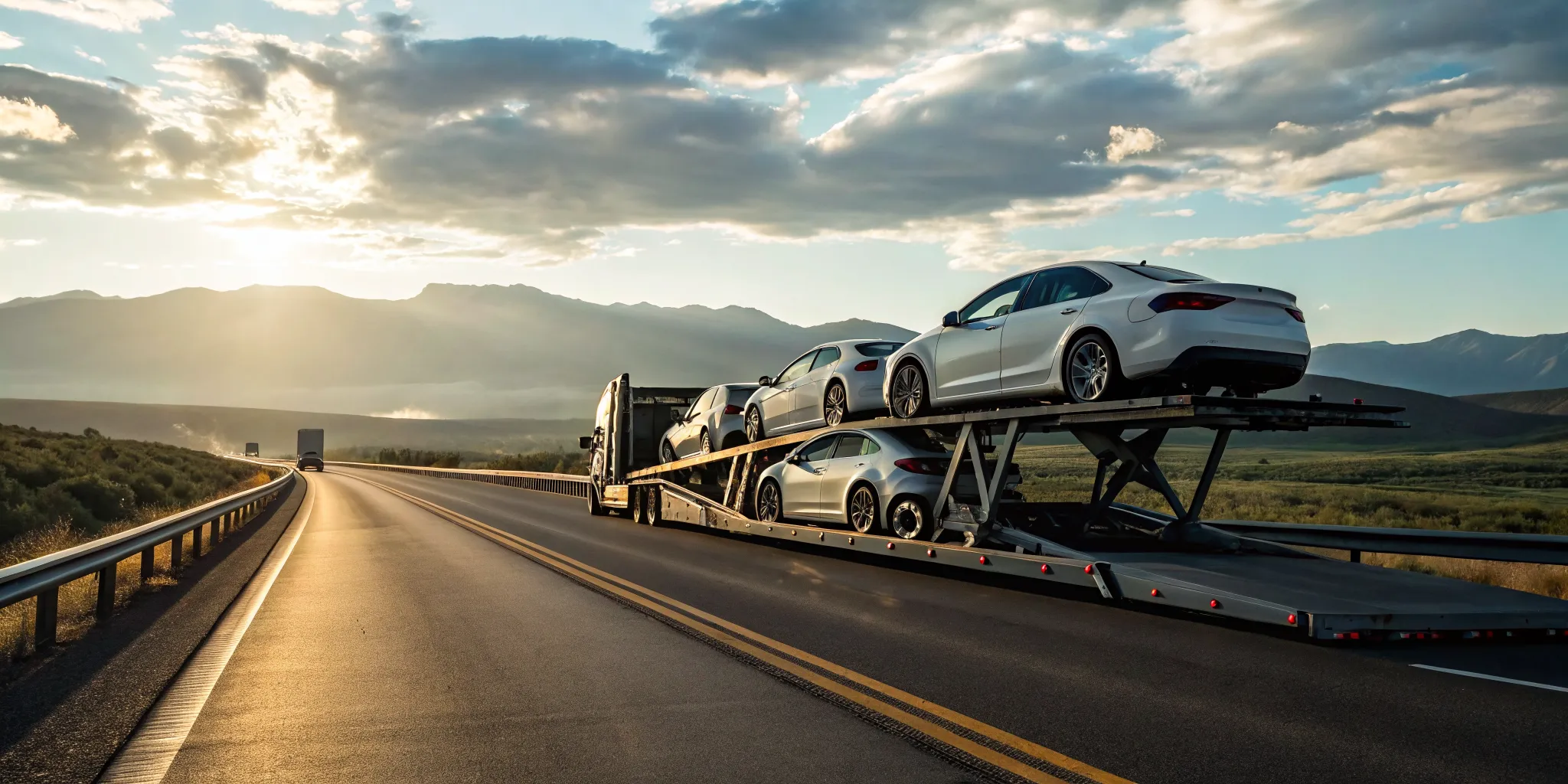
When you decide to ship your car, you’ll face your first big choice: open or enclosed transport. Open transport is the most common and budget-friendly option. You’ve probably seen these double-decker carriers on the highway, loaded with cars. While it’s a perfectly safe and standard method, your vehicle is exposed to the elements like rain, sun, and road debris.
For a little extra peace of mind, you can opt for enclosed transport. This method places your car inside a covered trailer, protecting it completely from weather and potential road hazards. It’s the preferred choice for luxury, classic, or high-value cars. While it costs more, many owners find the added security is worth it. The best car shipping companies will always offer both options so you can pick what’s right for your vehicle and budget.
Delivery Methods: Door-to-Door vs. Terminal-to-Terminal
Next, you’ll need to decide how you want your car picked up and delivered. Door-to-door service is the most convenient option. The transport company picks up your car from your home, office, or another location you choose and delivers it directly to your destination address. It’s a true concierge experience that saves you time and hassle.
The alternative is terminal-to-terminal service, which can be a bit more budget-friendly. With this method, you drop your car off at a designated storage lot or terminal. From there, it’s loaded onto a truck and transported to another terminal near your destination, where you’ll go to pick it up. While it requires more effort on your part, it’s a solid choice if you’re looking to cut costs and don’t mind the extra logistics of vehicle transport.
Breaking Down the Cost of Shipping Your Car
Figuring out the cost of shipping your car can feel like trying to hit a moving target. Prices aren't fixed, and what your friend paid to ship their sedan last year might be totally different from the quote you get for your SUV today. The final price tag depends on a handful of key variables. Once you understand what they are, you can get a much clearer picture of your budget and find a service that fits your needs without any last-minute surprises.
What Factors Influence the Price?
There’s no single price for shipping a car because so many things affect the final cost. Generally, you can expect the price to range from 53 cents to over $2.30 per mile. The final number depends on a few key details about your specific situation. The biggest factors are the type of transport you choose (open-air carriers are cheaper than enclosed ones), your vehicle’s size and weight, and how far it needs to go. Shipping a large truck will cost more than a compact car, and an inoperable vehicle will also add to the price since it requires more labor to load and unload. Understanding how these various factors come together will help you get a more accurate estimate from the start.
How Distance Affects Your Per-Mile Rate
Here’s something that might surprise you: while the total cost of shipping goes up with distance, the price you pay per mile usually goes down. It seems a little backward, but it makes sense from a logistics standpoint. A carrier is more efficient on a long, uninterrupted cross-country route than on several shorter trips. For example, shipping your car 500 miles might cost around $1.10 per mile, for a total of $550. But for a 1,000-mile trip, the rate per mile typically decreases, perhaps to just $0.70 per mile. So, even though the journey is twice as long, the total cost doesn't necessarily double. This is a key detail to remember when you're budgeting for a long-distance move.
Watch Out for These Hidden Fees
An initial quote for car shipping isn't always the final price you'll pay. Auto transport prices can be unpredictable, and some companies have a reputation for adding extra charges that you might not see coming. It’s important to be aware of potential hidden fees that can pop up during the process. Common extra costs include surcharges for fuel, fees for vehicles that aren't running, or charges for storing your car if you can't pick it up right away. Some companies may also try to upsell you on insurance. This is why it’s so important to read your contract carefully and ask questions. Working with a transparent partner who provides a clear, all-inclusive price helps you avoid these frustrating financial surprises.
How the Time of Year Changes Pricing
The calendar can have a big impact on your car shipping quote. Prices often fluctuate significantly based on the season, demand, and even the current price of gas. Summer is typically the busiest season for auto transport, so higher demand often leads to higher prices. On the other hand, shipping a car to a snowy northern state in the middle of winter can also be more expensive due to hazardous road conditions. If your timeline is flexible, try to book your shipment during a slower period, like in the spring or fall. Planning ahead and booking your transport a few weeks in advance can also help you lock in a better rate before seasonal price hikes kick in.
Is It Cheaper to Drive or Ship Your Car?
When you’re moving or buying a car from another state, the first question that comes to mind is usually about cost. It’s easy to assume that a road trip is the most budget-friendly option, but the answer isn’t always that simple. Driving involves a lot more than just the price of gas, and shipping can be more affordable than you think, especially over long distances. To figure out what’s right for you, it’s important to look at the complete picture and weigh all the expenses involved in both options. Let’s break down the real costs so you can make a smart financial decision.
Calculating the Real Cost of a Road Trip
It’s a common misconception that driving your car across the country is automatically cheaper than shipping it. The cost of fuel is just the beginning. You also have to account for hotels, meals, and potential snacks for every day you’re on the road. Beyond that, think about the wear and tear on your vehicle; a long trip adds mileage, wears down your tires, and might even mean you need an oil change sooner. Don’t forget the value of your own time. A cross-country drive can take several days, which could mean using up precious vacation time or taking unpaid days off work. When you add it all up, the true cost of a road trip is often much higher than you initially expect.
When Shipping Is the Smarter Financial Choice
Shipping your car can be a surprisingly economical choice, particularly for moves over 500 miles. While the total transport cost increases with distance, the rate per mile you pay often decreases. For example, a 500-mile trip might cost $1.10 per mile, but a 1,500-mile trip could drop to just $0.70 per mile. When you compare this to the combined expenses of gas, lodging, food, and vehicle wear from driving, shipping frequently comes out ahead. You save yourself the stress and fatigue of a multi-day drive and avoid putting extra miles on your car. By letting a professional handle the transport, you get your car delivered right where you need it, often for less than the cost of driving it yourself.
How to Choose a Car Shipping Company
Handing your car keys over to a stranger can feel like a huge leap of faith. That’s why choosing the right transport company is one of the most important steps in this process. A little research upfront can save you from major headaches down the road. You’ll want to find a partner you can trust to handle your vehicle with care from pickup to drop-off. To make sure you’re picking a reliable service, focus on a few key areas: their credentials, what past customers are saying, the type of company you’re dealing with, and how you schedule your shipment.
Verify Licensing, Insurance, and Coverage
Before you go any further with a company, confirm they are fully licensed and insured. This is non-negotiable. Legitimate auto transporters must be registered with the Federal Motor Carrier Safety Administration (FMCSA) and have a USDOT number. You can easily verify a company’s license online.
Next, ask for proof of their insurance. Don’t just take their word for it; get a copy of their insurance certificate and understand what it covers. Find out the coverage amount and if there’s a deductible you’d be responsible for in case of damage. A trustworthy company will be transparent about their insurance policy and have a solid track record of delivering vehicles safely. Your car is a valuable asset, so ensuring it’s protected during transit is essential.
Read Customer Reviews and Vet the Carrier Network
Customer reviews are your best source of unfiltered information. While a company’s website will showcase glowing testimonials, you should dig deeper to get the full picture. Check independent sites like the Better Business Bureau (BBB) and Google Reviews to see what previous clients have to say about their experience. Look for patterns in the feedback. Are deliveries consistently on time? How does the company handle communication and resolve issues when they arise?
Pay close attention to comments about the condition of the car upon arrival and the professionalism of the drivers. These firsthand accounts offer valuable insight into a company's reliability and customer service quality. A few negative reviews aren't necessarily a dealbreaker, but a consistent stream of complaints is a major red flag.
Carrier vs. Broker: Who Are You Working With?
It’s important to understand whether you’re working directly with a carrier or a broker. A carrier is a company that owns its own trucks and employs drivers to physically transport your vehicle. A broker, on the other hand, is a middleman who arranges the shipment for you by connecting you with a carrier in their network. Many of the companies you find online are brokers.
Brokers can often find more competitive pricing and have greater flexibility to meet special requests. However, the trade-off is that you don't get to choose the specific carrier, which can sometimes lead to service quality issues. Working directly with a carrier gives you a single point of contact, but their routes and schedules may be less flexible. Understanding how it works will help you decide which model you’re most comfortable with for your move.
Why You Should Book in Advance
Auto transport isn’t an on-demand service, so planning ahead is key. It’s best to book your car shipment at least a few weeks before your desired pickup date. Booking early gives the company enough time to handle the logistics and assign a driver to your route, which increases the likelihood of securing your preferred dates. This is especially important if you’re moving during a peak season, like summer or around the holidays, when demand is high.
Last-minute bookings can sometimes be accommodated, but they often come with a higher price tag and less flexibility. By scheduling in advance, you not only secure your spot but may also get a better rate. Once you have your moving dates finalized, it’s a good idea to contact a shipping provider and get the process started.
How to Prep Your Car for Transport
Once you’ve arranged for your car’s transport, a little prep work goes a long way. Taking a few simple steps ensures your vehicle arrives safely and the entire process runs smoothly, from pickup to delivery. Think of it as packing a suitcase for your car’s trip. It’s about making sure everything is secure, documented, and ready for the journey ahead. With a service like ours at Automated Brokers, we handle the logistics of getting your new car to you, but these final prep steps on your end will guarantee a seamless handover.
Clean Out Personal Items and Disable Alarms
Before the transport truck arrives, it’s important to completely clean out your car. Remove everything that isn’t secured down, including phone chargers, sunglasses, air fresheners, and any personal documents. Transport companies are not licensed to carry household goods, and their insurance does not cover personal items left inside the vehicle. Clearing out your car prevents potential loss or theft and also reduces its overall weight. Finally, be sure to disable your car alarm. An alarm that goes off during transit can be a major headache for the driver and could drain your battery.
Document Your Car's Condition with Photos
Think of this step as creating your own "before" pictures. Taking detailed photos and videos of your car's condition right before it's picked up is one of the most important things you can do. Walk around the vehicle and capture it from every angle: front, back, both sides, and the roof. Take close-ups of any existing scratches, dings, or dents. Don't forget to document the interior and take a clear picture of the odometer to record the mileage. Having this time-stamped visual evidence is invaluable and provides a clear record of your car's condition in the unlikely event you need to file a damage claim later.
Check Your Fluids, Battery, and Tires
Your car needs to be in good working order so the driver can safely load and unload it from the carrier. You don't need a full tune-up, but a quick mechanical check is a good idea. Make sure all fluids are at appropriate levels and that there are no active leaks. Your battery should be fully charged and securely mounted. Also, check your tires to ensure they are properly inflated to the recommended PSI. A car that runs and drives properly helps the transport driver stick to their schedule and avoids any unnecessary delays in getting your vehicle to its destination.
How Much Gas Should You Leave in the Tank?
While it might seem helpful to leave a full tank of gas, you should actually do the opposite. The standard recommendation is to leave your tank only about one-quarter full. This is the perfect amount to allow the driver to load, unload, and move your vehicle at the delivery terminal without adding unnecessary weight. A full tank of gas can add hundreds of pounds to a vehicle, and since auto carriers have strict weight limits, every pound counts. Keeping the fuel level low is a small but important step that contributes to a safe and efficient vehicle transport process.
Understanding the Risks of Car Shipping
Shipping your car across the country is a standard process, and most vehicles arrive without a single issue. However, just like any logistical service, there are potential risks involved. Being aware of them ahead of time doesn’t just give you peace of mind; it helps you ask the right questions and choose a transport partner you can trust. When you know what to look out for, you can take simple steps to protect your vehicle and ensure a smooth experience from start to finish.
Be Prepared for Potential Delays
One of the most common frustrations with car shipping is the potential for delays. Your initial quote might include a pickup window, but the actual pickup can sometimes take longer to arrange. This can happen for various reasons, from the driver’s schedule changing to weather events or mechanical issues with the transport truck. The best way to handle this is to build some flexibility into your timeline. Communicate regularly with your shipping coordinator for updates, and try not to schedule the delivery for the absolute last minute if you can avoid it.
What to Do If Your Car Is Damaged
While damage is rare, it’s important to be prepared. Before your car is loaded onto the truck, take detailed photos and videos of its condition from every angle. Document the interior and exterior, making a note of any existing scratches or dings. Next, make sure you understand what the shipping company's insurance covers. Ask about their liability limits and what the deductible is. If you feel the standard coverage isn't enough, especially for a valuable or classic car, ask about purchasing supplemental insurance for extra protection. Upon delivery, inspect your car thoroughly before you sign any paperwork.
The Paperwork You Absolutely Need
The single most important document in the car shipping process is the Bill of Lading (BOL). This is the contract between you and the carrier. When the driver arrives for pickup, they will inspect your car and note any existing damage on the BOL. Review it carefully to ensure it’s accurate before you sign. You will receive a copy, which you should keep in a safe place. At delivery, you’ll use this document and your own photos to inspect the vehicle again. Don’t sign the final BOL until you’ve confirmed your car arrived in the same condition.
A Simpler Approach: Car Buying with Nationwide Delivery
After learning about all the details involved in shipping a car, from vetting carriers to prepping your vehicle, the process can feel a little daunting. But what if you could skip the logistical puzzle entirely? What if the new or pre-owned car you want to buy could just show up at your door, without you having to coordinate a thing? This is where a white-glove auto brokerage service changes the game. Instead of you finding a car and then separately finding a shipping company, a service like Automated Brokers handles everything from start to finish.
Think of it as your personal car buying concierge. We find the exact car you want, whether it's a new Toyota or a pre-owned Jeep, at a competitive price. Then, we manage the entire delivery process for you. You don't have to spend hours reading reviews, comparing quotes, or worrying about which carrier will show up at your home. Our process is designed to be completely transparent and stress-free. The vehicle shipping services industry is complex, and it's easy to feel overwhelmed. Our goal is to take that complexity off your plate. We use our 30 years of experience to coordinate a seamless nationwide delivery, so your only job is to get excited for your new car to arrive.
How Automated Brokers Handles Your Delivery
When you buy a car with us, you get a single, dedicated point of contact. We take on the role of coordinating all the logistics so you don't have to. While the car shipping world involves a network of brokers and carriers, we manage those relationships for you. We lean on our extensive network and decades of experience to ensure your vehicle is handled with care from the source to your driveway. This commitment is a core part of why customers choose us for a better car buying experience. We coordinate the entire journey, keeping you updated along the way. Final delivery time can depend on factors like distance and weather, but we work to make the process as quick and predictable as possible. You get the car you want, delivered right to you, without ever stepping foot in a dealership.
Frequently Asked Questions
Is enclosed transport really worth the extra cost? For most standard cars, open transport is a perfectly safe and economical choice. However, if you're buying a brand-new vehicle, a luxury model, or a classic car you've invested in, the extra cost for an enclosed carrier can provide valuable peace of mind. Think of it as extra insurance against weather and road debris. It ensures your car arrives in the exact same pristine condition it was in when it was picked up, which many owners find is well worth the added expense.
How can I get the most accurate shipping quote and avoid surprise fees? The best way to avoid surprises is to provide as much detail as possible upfront and ask direct questions. A reliable quote depends on your vehicle's specific make and model, whether it's running properly, and the exact pickup and delivery addresses. When you get a price, ask if it's an all-inclusive rate. Specifically inquire about potential extra charges like fuel surcharges or storage fees. A trustworthy partner will be transparent and happy to explain every part of the cost, ensuring the price you agree to is the price you pay.
My schedule is tight. How long does car shipping actually take? This is a great question because the timeline involves more than just driving time. First, the company needs to schedule a driver for your route, which can take a few days. Once your car is on the truck, a cross-country trip typically takes about 7 to 10 days, while shorter, regional moves might only take 2 to 4 days. The best strategy is to book your transport at least two weeks in advance. This gives you the best chance of securing your preferred dates and provides a buffer in case of unexpected road or weather delays.
What's the single most important thing I can do to protect my car during shipping? Your most powerful tool is documentation. Before the driver arrives, take clear, time-stamped photos and a video of your car from every angle, noting any existing dings or scratches. Then, when the driver inspects your vehicle, review the Bill of Lading (BOL) with them to make sure their report matches your own. At delivery, use your photos and the original BOL to inspect the car again before you sign anything. This simple process creates a clear record and is your best protection.
If I buy a car through Automated Brokers, do I still need to arrange shipping myself? No, and that’s one of the biggest benefits of our service. When you buy a car with us, we handle all the delivery logistics for you. You don't have to research shipping companies, compare quotes, or coordinate pickup and delivery. We manage the entire process from start to finish, using our experience to ensure your new vehicle is transported safely and efficiently. Your only job is to decide where you want us to deliver it.