EV Tax Credit Cars for Sale: A Buyer’s Guide
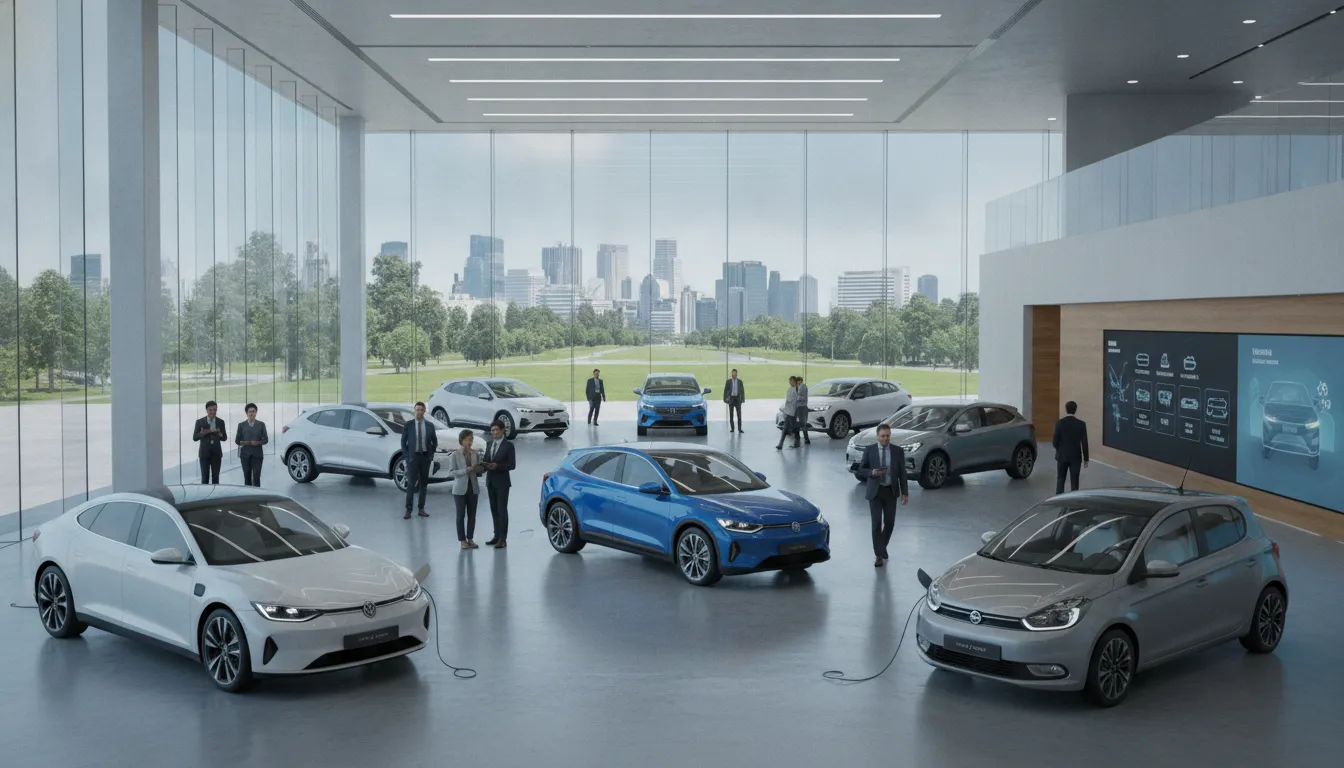
Find out which EV tax credit cars for sale qualify for incentives, how to claim credits, and what to check before buying your next electric vehicle.
Shopping for an EV should feel manageable, even when tax-credit rules seem complicated. The phrase “ev tax credit cars for sale” can lead you to vehicles with potential savings, but listings do not always tell the whole story. You may need to confirm the vehicle’s VIN, battery configuration, model year, selling price, dealer status, and your own income eligibility. The way you receive the incentive also matters. It may affect your purchase price, down payment, amount financed, or tax return. Automated Brokers can help source new and pre-owned EVs, compare offers, and coordinate the purchase from home.
Key Takeaways
- Confirm the vehicle’s eligibility: Review the exact VIN, model year, trim, battery, price, buyer income, and purchase date before relying on an EV credit.
- Compare the full cost: Look beyond the advertised incentive by reviewing the sale price, fees, financing terms, insurance, charging, maintenance, and available state or utility savings.
- Simplify your vehicle search: Automated Brokers can compare new and pre-owned EVs across more than 1,300 vehicles, assist with financing, review purchase details, and arrange Maryland pickup or nationwide delivery.
What Is the EV Tax Credit for Cars for Sale?
The EV tax credit is a federal incentive that may reduce the cost of an eligible electric vehicle. Depending on the vehicle, buyer, and purchase date, it may apply to a new battery-electric vehicle, plug-in hybrid, or fuel-cell vehicle. It does not apply automatically to every EV listed for sale. The buyer and vehicle must meet separate requirements.
For a new EV, eligibility can depend on the vehicle’s final assembly location, battery components, critical minerals, MSRP, and the buyer’s modified adjusted gross income, or MAGI. Used EVs follow different rules, including a purchase-price limit and registered-dealer requirement. The IRS clean vehicle credit guidance provides current federal requirements, but buyers should confirm the exact VIN and purchase date before counting on a credit.
The incentive may appear in different forms. You might claim it on your tax return, transfer it to a registered dealer for an upfront discount, or receive savings through a lease or financing offer. These options do not work the same way. Ask whether the advertised amount changes the vehicle price, down payment, amount financed, or cash due at signing. Request the details in writing before you sign a purchase agreement.
New EV credit: amount, income limits, and requirements
The federal credit for a qualifying new clean vehicle can be worth up to $7,500. The exact amount depends on the vehicle’s battery and sourcing requirements. The vehicle generally must be acquired for personal or business use and meet rules covering final assembly, battery components, and critical minerals.
Buyer income limits apply as well. Your modified adjusted gross income may not exceed $300,000 for married couples filing jointly, $225,000 for heads of household, or $150,000 for all other filers. Buyers may generally use their MAGI from the purchase year or the previous year, whichever is lower.
The vehicle’s MSRP also matters. SUVs, pickups, and vans have a different price limit from other vehicles. Options and equipment can affect the calculation, so review the exact configuration. The Department of Energy’s vehicle eligibility information can help you check a model before comparing its advertised price with the potential credit.
Used EV credit: amount, price cap, and purchase rules
The previously owned clean vehicle credit was worth up to $4,000, or 30% of the sale price, whichever was less. Under the former rules, the EV had to cost $25,000 or less and be purchased from a registered dealer. It also had to meet requirements involving vehicle age, ownership history, and prior credit claims.
The income limits were lower than those for new EVs. Buyers generally needed MAGI of no more than $150,000 for married couples filing jointly, $112,500 for heads of household, or $75,000 for all other filers. The purchase also had to be at least two years after the previous qualifying purchase.
Private-party purchases did not qualify. Because federal rules can depend on the purchase date, check the current program status before making an offer. The used-EV credit guidance from Recurrent reports that IRS Section 25E expired on September 30, 2025. Used EVs purchased after that date do not qualify for that federal credit unless a replacement program becomes available.
Federal availability, sunset rules, and expired programs
Federal EV incentives can change when new legislation takes effect. A model that qualified under earlier rules may not qualify for a later purchase, even when the make, model, and trim have not changed. The purchase or delivery date usually matters more than the date you first saw an online listing.
The previously owned clean vehicle credit under IRS Section 25E expired on September 30, 2025, under the One Big Beautiful Bill Act. Based on that change, a used EV purchased after the expiration date does not qualify for the former federal credit. Buyers should not assume that a dealership advertisement using older language reflects the current rules.
New-EV incentives also include detailed vehicle and buyer requirements, and those requirements may change. Before you compare cars based on a federal credit, review the latest IRS clean vehicle credit information. An auto broker can help locate vehicles and organize pricing details, but the IRS and your tax professional determine whether your purchase qualifies for a federal tax credit.
Tax liability, filing status, MAGI, and personal-use rules
A tax credit is not always the same as a refund. Your federal tax liability, filing status, MAGI, and vehicle use can affect the amount you receive. If you claim a nonrefundable credit on your tax return, your credit may be limited by the federal income tax you owe.
For the new-vehicle credit, the MAGI limits are $300,000 for married couples filing jointly, $225,000 for heads of household, and $150,000 for all other filers. Former used-EV rules used lower limits, so do not apply the new-vehicle thresholds to a pre-owned purchase.
The vehicle generally must be purchased for personal use in the United States and not for resale. If you transfer the credit to a dealer for an upfront discount, you may still need to report the purchase on your tax return. Review the IRS buyer requirements, and speak with a tax professional if your income, filing status, or vehicle use is complicated.
Tax credits, rebates, dealer discounts, lease savings, and financing
An EV tax credit may not reduce your purchase price in the same way as a dealer discount. A credit claimed on your tax return affects your federal filing. A point-of-sale transfer can provide an upfront amount through a registered dealer. Depending on the transaction, the dealer may apply the amount toward the vehicle, down payment, or cash payment.
Leases follow different rules. In many cases, the leasing company claims the applicable commercial clean vehicle credit and decides whether to pass savings to you through the lease terms. Compare the total lease cost, fees, mileage allowance, money factor, and end-of-lease terms instead of focusing only on the monthly payment.
Financing also affects how an incentive reaches you. Ask whether it reduces the sale price, down payment, amount financed, or cash due at signing. Review the buyer’s order, financing contract, and incentive disclosure before signing. The Consumer Financial Protection Bureau’s auto loan guidance can help you compare interest costs and loan terms.
Why advertised EV credits may not apply
An advertisement may show the maximum possible credit without confirming whether a particular vehicle or buyer qualifies. The final result can depend on the VIN, trim, model year, battery configuration, final assembly location, MSRP, sale price, buyer income, and purchase date. Two vehicles with the same model name may have different eligibility results.
Listings may also combine federal credits with manufacturer cash, dealer discounts, state rebates, or lease incentives. Each amount can have separate rules. A promotion may require specific financing, a qualifying trade-in, a lease, a residency, or an income level.
Before signing, ask the seller to confirm the VIN, incentive type, expected amount, purchase-price calculation, and whether the amount is applied at the dealership or claimed later. The FuelEconomy.gov tax-credit search tool can help you review vehicle information. Treat an advertised credit as an estimate until the purchase documents confirm the amount and terms.
Which EVs for Sale Qualify for Tax Credits?
Not every electric vehicle advertised for sale qualifies for a federal tax credit. Eligibility can depend on the vehicle’s powertrain, battery capacity, final assembly location, battery sourcing, MSRP, sale price, model year, and the buyer’s income. For some vehicles, the result may also depend on the specific VIN.
Rules can change based on the purchase date, so treat an advertised credit as a claim to verify, not a guaranteed discount. Start with the IRS clean vehicle credit guidance, then ask the dealer or broker to confirm the vehicle’s eligibility before you sign a purchase agreement.
Automated Brokers can help compare new and used EVs, review pricing, and request vehicle details from its network of more than 1,300 vehicles across nine dealerships. You can discuss your budget, preferred model, financing needs, and potential incentives by phone, text, or email through the Automated Brokers vehicle search.
Battery EVs, plug-in hybrids, and fuel-cell vehicles
A qualifying vehicle must use an electric motor and meet the requirements of the credit program in effect when you buy it. Battery-electric vehicles, or BEVs, run entirely on electricity stored in a rechargeable battery. Plug-in hybrid electric vehicles, or PHEVs, combine a gasoline engine with a rechargeable battery and must be able to charge from an external power source.
A qualifying plug-in vehicle generally needs a battery with at least 7 kilowatt-hours of capacity. That requirement separates many PHEVs from conventional hybrids, which cannot be plugged in and typically do not qualify for the same federal credit. Plug In America explains the battery and charging requirements.
Fuel-cell vehicles create electricity through a hydrogen-powered system rather than relying only on a traditional battery. They may qualify under certain clean vehicle programs, but availability and eligibility can vary. Confirm the exact make, model, model year, and purchase date before including a fuel-cell vehicle in your incentive calculations.
Battery capacity, final assembly, and sourcing standards
Battery size is only one part of new-vehicle eligibility. Depending on the credit rules in effect, the vehicle may also need to meet requirements for final assembly in North America. This generally includes the United States, Canada, and Mexico. The Department of Energy’s Alternative Fuels Data Center provides background on assembly and federal vehicle requirements.
Battery components and critical minerals may also need to meet specific sourcing standards. These rules can affect the available credit amount, and a change in battery supplier or production location can change a vehicle’s result. Two vehicles with the same model name may not qualify in the same way if they have different trims, batteries, or production specifications.
Because manufacturers can update vehicle configurations, do not rely only on the make and model. Ask for the exact model year and VIN, then verify the vehicle through an official eligibility resource before signing.
MSRP limits, sale-price caps, and options
New clean vehicle credits generally include an MSRP limit. Under the commonly used federal rules, the limit is $80,000 for qualifying vans, SUVs, and pickup trucks, and $55,000 for other vehicles. The relevant figure is generally the manufacturer’s suggested retail price, not simply the negotiated selling price. The IRS vehicle requirements explain the applicable price rules and other conditions.
Factory-installed options can affect whether a vehicle stays below the limit. A base trim may qualify while a higher trim with premium features does not. Ask how optional equipment is included in the MSRP calculation, and confirm whether dealer-installed accessories are treated separately.
Used EVs follow a different price rule. A qualifying used vehicle generally must have a sale price of $25,000 or less. The credit is generally limited to 30% of the sale price, up to $4,000, subject to the rules in effect when you buy. A trade-in or financing arrangement does not automatically make an over-limit vehicle eligible.
Used-EV age, dealer, ownership, and prior-credit rules
Used EV eligibility includes requirements that differ from those for new vehicles. The model year generally must be at least two years older than the purchase year. For example, a vehicle purchased in 2026 would typically need to be a 2024 model year or older, subject to the rules that apply to the transaction.
You must also purchase the vehicle from a licensed dealer. A private-party sale generally does not qualify for the federal used clean vehicle credit. The IRS used clean vehicle credit requirements cover dealer status, price, income, and vehicle rules.
Prior ownership can matter, too. The same vehicle cannot necessarily receive the used credit each time it changes hands, and additional restrictions may apply if you or a related buyer previously claimed a credit for that vehicle. Ask the dealer to review the vehicle’s history and confirm the sale qualifies before you rely on the credit.
Eligible models by make, trim, VIN, and model year
Eligibility is not always consistent across an entire brand. One trim may qualify while another does not because of its battery, assembly location, MSRP, or sourcing history. The same model can also have different eligibility results across model years.
A search for “eligible electric SUVs” is a useful starting point, but it is not enough to confirm a credit. You should verify the exact make, model, trim, model year, battery configuration, MSRP or sale price, and VIN. The VIN identifies the specific vehicle and helps match it to official eligibility records.
When comparing vehicles, save the advertised price, MSRP, model year, trim, VIN, and claimed credit amount. Automated Brokers can search its dealership network for vehicles that fit your budget and vehicle preferences, then help request the eligibility details before you move forward.
IRS, DOE, and FuelEconomy.gov eligibility tools
Government resources are the best starting point for checking federal eligibility. The IRS clean vehicle credit page explains buyer requirements, vehicle conditions, income rules, and filing information. The DOE Alternative Fuels Data Center provides additional details about vehicle requirements and federal transportation incentives.
You can also review FuelEconomy.gov tax credit information for qualifying makes and models. These tools may organize information by model year and configuration, but a model-level listing may not replace a VIN-level review.
After checking government resources, ask the dealer whether the credit applies to the exact VIN. Confirm whether the dealer can transfer an eligible credit at the point of sale and whether the purchase date, income limits, or other conditions could affect your transaction.
Confirm VIN eligibility before signing
Get the VIN before signing a purchase agreement whenever possible. Compare it with the vehicle’s eligibility record, window sticker, buyer’s order, financing documents, and credit disclosure. Check the model year, trim, battery type, MSRP or sale price, final assembly information, and claimed credit amount.
Ask the dealer to confirm whether the sale will be reported to the IRS and whether you will receive the required documentation. Keep copies of the VIN, purchase agreement, window sticker, credit transfer paperwork, financing documents, and eligibility confirmation. The IRS clean vehicle credit instructions explain the related reporting and filing requirements.
If the credit cannot be confirmed for the specific VIN, treat the advertised incentive as unverified. Automated Brokers can request vehicle information, compare qualifying inventory, and review the numbers with you before you finalize the purchase. This check can help you avoid an unexpected difference between the advertised price and the amount you actually pay.
How Do Buyers Claim the EV Tax Credit at Sale?
Eligible buyers may receive a federal clean vehicle credit at the dealership instead of waiting to claim it on a future tax return. This option is called a point-of-sale credit transfer. When approved, the dealer can apply the credit as a down payment, reduce the vehicle’s cash price, or lower the amount financed.
The process is not automatic for every EV or buyer. Eligibility depends on the vehicle, buyer, dealer, purchase date, income, and transaction details. Before signing, confirm the vehicle identification number, sale price, credit amount, and dealer’s reporting status. The IRS clean vehicle credit guidance explains the federal requirements and buyer responsibilities.
Automated Brokers can help customers compare new and pre-owned vehicles, request eligibility details, and review purchase terms by phone, text, or email. However, the selling dealer must verify the vehicle and complete the required credit reporting. Ask for the final credit information in writing before completing the purchase.
Buyer, vehicle, dealer, and purchase-date checklist
Start with a four-part eligibility check. First, confirm that you are purchasing the EV for personal use, not resale. Income limits and filing status also apply, so review whether your modified adjusted gross income falls within the applicable threshold. Depending on the credit, you may be able to use your current-year or prior-year income, subject to IRS rules.
Next, verify the vehicle. Requirements may cover its battery, final assembly location, weight, price, model year, and purchase date. New and used EVs follow different rules, including separate price limits and prior-credit requirements. An eligible model is not enough by itself, since equipment, trim, and VIN details can affect eligibility.
The dealer must also be registered to submit the required time-of-sale report. Ask whether the dealership can transfer the credit and provide the required documentation. Review the IRS used clean vehicle credit requirements before purchasing a pre-owned EV.
Point-of-sale transfers and upfront savings
A point-of-sale transfer lets an eligible buyer assign the federal credit to the dealer or financing institution. Instead of waiting for a future tax refund or reduction in tax owed, you may receive the approved amount during the transaction. The credit may appear as a down payment, a cash-price reduction, or another permitted adjustment.
For example, a buyer who qualifies for a $4,000 used EV credit may apply that amount at closing. The exact structure depends on the dealer, lender, and purchase documents. Ask for an itemized worksheet showing the vehicle price, trade-in value, taxes, fees, down payment, financing amount, and transferred credit.
Review the total amount financed, not only the monthly payment. A lower payment could result from a longer loan term rather than the full credit being applied. The IRS point-of-sale transfer guidance explains how buyers elect to transfer an eligible credit.
Dealer registration, sale reports, and disclosures
The selling dealer plays a central role in the point-of-sale process. To transfer a clean vehicle credit, the dealer generally must register with the IRS energy credit system, verify the transaction, and submit a time-of-sale report. The report includes information about the buyer, vehicle, purchase, and credit amount.
The dealer should give you a copy of the report or another required disclosure. Review it before taking possession of the EV. Confirm that the VIN, purchase date, vehicle description, sale price, and credit amount match your contract. If you find an error, ask the dealer to correct it promptly.
Keep the report with your purchase documents. It helps show that the dealer reported the sale to the IRS and supports your tax filing. The IRS dealer reporting guidance explains the information sellers must provide to buyers and the government.
Form 8936 and tax-return filing
Receiving the credit at the dealership does not necessarily remove your tax filing responsibilities. Buyers generally must report the purchase on their federal tax return and include the vehicle identification number on the applicable clean vehicle credit form. For many purchases, this includes Form 8936, along with any required schedules or worksheets.
This requirement may apply even if you do not usually owe federal income tax. A point-of-sale transfer changes when you receive the credit, not the need to document the transaction. Your dealer report, purchase agreement, and VIN information can help support the filing.
Keep copies of the buyer’s order, financing contract, time-of-sale report, and credit-transfer election. If you use tax software, select the section for clean vehicle credits and transferred credits. A tax professional can help if you purchased multiple vehicles, changed your filing status, have self-employment income, or are unsure how to calculate modified adjusted gross income.
MAGI reconciliation, tax liability, and repayment risk
Your modified adjusted gross income can affect whether you ultimately qualify, even if the dealer approved the credit at the time of sale. New and used clean vehicle credits have separate income limits, and the applicable thresholds depend on your filing status.
The IRS may allow you to use modified adjusted gross income from the purchase year or the preceding year, subject to the rules for that credit. If your income later exceeds the limit you used, you may have to repay some or all of the transferred credit on your federal tax return. Consider possible bonuses, business income, investment gains, or other changes before choosing the transfer.
Tax liability also matters. A credit claimed after purchase may be limited by the amount of federal income tax you owe, while a point-of-sale transfer provides an approved amount upfront. The upfront payment does not remove the income requirements or guarantee that you can keep the full amount.
Estimate your household income for the purchase year and speak with a qualified tax professional if your situation is uncertain. The IRS clean vehicle credit FAQs cover income limits, transfers, and repayment situations.
Keep VIN, purchase, disclosure, and financing records
Create a dedicated file for your EV purchase, either digitally or on paper. Include the VIN, window sticker, buyer’s order, purchase agreement, odometer statement, time-of-sale report, credit-transfer election, financing contract, and proof of delivery or possession.
Check that the same VIN appears on every document. A mismatch can complicate your tax filing or make it harder to prove that you purchased the eligible vehicle. Save the dealer’s written explanation of the credit, including whether it reduced the cash price, down payment, or amount financed.
Your records should list the vehicle price separately from taxes, registration charges, documentation fees, optional products, and financing costs. Keep emails or text messages in which the dealer confirms the vehicle’s credit status. Written records are more useful than relying on a verbal promise if a correction becomes necessary.
The IRS advises buyers to keep the dealer report because it confirms that the sale was reported. Store these documents with your tax records and give them to your tax preparer if requested.
Trade-ins, leases, and credit-transfer limits
A trade-in does not automatically prevent you from claiming an eligible EV credit, but it can make the purchase worksheet harder to review. Ask the dealer to list the EV’s sale price, trade-in allowance, taxes, fees, and credit separately. This helps you check the applicable price cap and confirm that the advertised credit was applied.
Leases work differently from purchases. The leasing company owns the vehicle and may claim the commercial clean vehicle credit. It may pass some or all of that value to you through a lower capitalized cost, reduced payment, or lease incentive. A lessee generally does not claim the standard purchase credit for the same vehicle.
Credit transfers also have limits. You cannot transfer a credit for a vehicle that does not qualify, assign the same credit twice, or claim a purchase credit for an EV acquired mainly for resale. A dealer cannot replace required IRS reporting with a general discount and label that amount a tax credit.
Before choosing a purchase or lease, compare the total cost, financing or lease charges, insurance, mileage terms, and end-of-term obligations. Ask who is claiming the credit, how much is being passed through, and where that amount appears in the contract.
What Do EVs With Tax Credits Cost?
The price of an EV with a tax credit depends on more than its advertised sticker price. Your final cost may include the vehicle’s age, trim, battery size, eligibility, dealer pricing, income, financing terms, and available state incentives. A new EV with a verified credit may cost more upfront than a used model, while a used EV may offer a lower purchase price but fewer choices.
Start with the out-the-door price, not just the monthly payment or advertised discount. Ask whether the quote includes the vehicle’s sale price, point-of-sale credit, dealer discount, destination charges, taxes, registration, documentation fees, and delivery. Automated Brokers can help compare new and pre-owned vehicles across a wide inventory, including options that fit a preferred make, model, budget, or payment.
Your total ownership cost matters, too. Include financing, insurance, charging, tires, maintenance, battery warranty coverage, and expected resale value. A vehicle with a larger incentive is not always the least expensive choice. Comparing the complete cost helps you decide whether a new or used EV fits your plans.
Search by credit status, make, model, range, and budget
A focused search keeps you from spending time on vehicles that do not meet your needs or qualify for an incentive. Start with your preferred body style, make, model year, driving range, and maximum purchase price. Then filter by credit status, separating vehicles that may qualify from those requiring additional VIN or buyer verification.
Some marketplaces identify potentially eligible used EVs in their listings. For example, CarMax’s EV shopping tools include a badge for vehicles that may qualify for the used EV credit. Treat that label as a starting point, not final confirmation. Eligibility may depend on the exact VIN, sale price, model year, buyer income, and previous credit history.
When contacting a broker, share your must-haves at the beginning. Include your preferred range, charging setup, budget, credit profile, and whether you want Maryland pickup or nationwide delivery. A clear brief makes it easier to find relevant vehicles instead of reviewing a long list of unrelated options.
Calculate the price after verified incentives
To estimate your real cost, begin with the negotiated sale price. Add taxes, registration, documentation fees, delivery, and any optional equipment. Subtract only the incentives you have confirmed. Keep federal credits, state rebates, manufacturer offers, and dealer discounts separate because each may have different eligibility rules and payment schedules.
A point-of-sale credit may reduce the amount you finance, but it does not guarantee that every buyer qualifies. Your income, filing status, tax situation, vehicle eligibility, and purchase date can affect the result. Some programs also require the dealer to register the transaction and provide specific disclosures.
Some online retailers verify eligibility during checkout. Carvana’s credit process shows how a qualifying buyer may transfer an eligible credit during the purchase. Before signing, request a written breakdown of the sale price, credit amount, dealer discount, fees, down payment, financed amount, and estimated monthly payment.
Find affordable used EVs under the purchase-price cap
Used EVs can offer a lower entry price, but available federal programs may include a strict purchase-price limit. Under the used-EV credit rules described by Recurrent’s guide, qualifying buyers could receive up to $4,000, or 30% of the sale price, whichever was less, for an eligible used EV priced at $25,000 or below.
The purchase-price cap applies to the vehicle’s sale price, so optional products and fees may not help a vehicle qualify. Ask whether the advertised amount is the sale price used for eligibility. You should also confirm the vehicle meets the applicable age, dealer, ownership, and previous-credit requirements.
Do not choose a used EV based on the credit alone. A vehicle just above the price cap may have better battery health, lower mileage, a longer warranty, or more usable range. Compare the total cost of ownership before deciding whether the lower purchase price provides lasting value.
Compare new invoice pricing with used-EV market pricing
New EVs may come with manufacturer incentives, dealer discounts, special financing, or pricing near invoice. Used EVs may have a lower sticker price, but their values can vary widely based on mileage, battery condition, trim, warranty coverage, and local supply. Comparing both categories gives you a clearer view of the available value.
Automated Brokers helps shoppers compare new vehicles at invoice or below with pre-owned vehicles priced according to the market. For a new EV, ask for the negotiated price before incentives, followed by a separate list of credits and discounts. For a used EV, compare similar model years, mileage, trims, battery warranties, and vehicle history reports.
Used EV pricing also changes as inventory shifts. Recurrent reported an average used EV listing price of $34,653 in March 2026, while the gap between used EVs and comparable gas cars had narrowed considerably. Use current listings as a reference, then evaluate each vehicle’s condition, equipment, battery coverage, and final out-the-door price.
Account for inventory, discounts, and eligibility changes
An eligible EV is not necessarily available at the price shown in an older advertisement. A dealer may sell the vehicle, change a discount, update inventory pricing, or end an incentive before you are ready to buy. Federal and state programs may also change their rules, funding, or deadlines.
Ask the seller to confirm four details in writing: the exact VIN, current sale price, expected credit or rebate, and date through which the quoted terms remain valid. If the vehicle will cross state lines, confirm whether the purchase location, delivery address, and registration location affect eligibility.
Your income may matter as well. The IRS clean vehicle credit guidance explains how modified adjusted gross income and filing status can affect eligibility. If your income is close to the applicable limit, ask whether the program uses current-year or prior-year income and what happens if your final income changes.
Check battery health, range, warranty, charging, and maintenance costs
The purchase price tells only part of the story. For a used EV, request a battery health report when available, along with service records, accident history, warranty details, and information about prior use. Confirm whether the battery warranty transfers to you and how much coverage remains for the battery and other electric components.
EPA range ratings provide a useful way to compare models, but actual range varies. Driving speed, terrain, temperature, cargo, and climate control all affect performance. The EPA’s EV guidance explains why hot and cold weather can reduce range. Consider your normal commute and seasonal conditions before choosing a vehicle.
Check the included charging equipment, connector type, home-charging requirements, and public charging options near your home and workplace. Add electricity, tires, scheduled service, insurance, and possible out-of-warranty repairs to your budget. These costs can change which vehicle offers the best long-term value.
Compare financing, payments, insurance, and ownership costs
A tax credit may reduce the amount financed when applied at the point of sale. This can lower the monthly payment and total interest, depending on the interest rate, loan term, down payment, trade-in value, and financed fees.
Request loan offers for the same amount, term, and down payment so you can compare them fairly. A longer loan term may create a smaller monthly payment but increase total interest. Ask whether the lender has age or mileage limits for used EVs, since those rules may affect your available rates.
Insurance can vary by model, trim, repair cost, and location. Get an insurance quote before signing and include it in your monthly budget. Automated Brokers works with prime, near-prime, and credit-rebuilding buyers, so share your target payment and financing needs early. Review the lender’s final terms, annual percentage rate, total repayment amount, and financed fees before accepting an offer.
Consider EV supply, demand, used prices, and resale trends
EV prices respond to inventory, incentives, interest rates, consumer demand, and new model releases. A vehicle with abundant inventory may receive stronger dealer discounts, while a popular trim with limited availability may remain close to its advertised price. Used pricing can also change as lease returns, fleet vehicles, and trade-ins enter the market.
Do not assume that a larger credit automatically makes a vehicle the better financial choice. Compare the discounted price with similar EVs and gas-powered alternatives. Then review depreciation, warranty coverage, mileage, battery condition, and your expected ownership period. Resale value is difficult to predict when manufacturers adjust pricing or introduce longer-range models.
Market reporting can provide useful context. NPR’s coverage of EV sales and federal incentive changes shows how buyer demand can shift when credit rules change. Automated Brokers can help you compare current inventory, but the right choice should still fit your driving needs, ownership timeline, and complete budget.
Which State and Local Incentives Can Lower the Price?
Federal EV tax credits are only one part of the potential savings. Depending on where you live, you may also qualify for a state rebate, reduced excise tax, lower registration costs, a utility credit, or assistance with home charging equipment. Some programs apply to new EVs, while others cover used vehicles, leases, or specific income groups.
The rules can vary by state, county, city, and utility service area. Before comparing electric vehicles for sale, check whether the program applies to your vehicle, purchase type, household income, and location. Also confirm whether you must apply before buying, use a participating dealer, or submit documents after the sale.
An incentive may reduce the amount you pay at the dealership, arrive as a rebate, or appear as a tax benefit later. These differences affect your down payment, loan amount, and monthly payment. Ask for an itemized quote that shows the vehicle price, dealer discounts, manufacturer offers, tax credits, rebates, and any fees separately.
Maryland EV credits, excise-tax rules, and charging support
Maryland buyers may find several ways to reduce the cost of EV ownership, including state incentives, excise-tax rules, and support for charging equipment. Eligibility may depend on the vehicle’s purchase price, battery type, model year, buyer’s residency, and available program funding. Some benefits apply at purchase, while others require a separate application or tax filing.
Review the latest Maryland electric vehicle incentives before signing a buyer’s order. You should also check your county and electric utility for home charger, installation, or off-peak charging programs. If you are considering Maryland pickup through Automated Brokers, ask which documents are required and whether the specific VIN qualifies under the current rules.
State rebates, local programs, utility credits, and income-based assistance
State and local EV assistance can take several forms. A rebate may arrive after you complete the purchase, while a point-of-sale incentive can reduce the amount due to the dealer. Utilities may offer credits for charging equipment, installation, or electricity use. Some programs provide larger benefits to households below a specific income threshold.
The Greenlining Institute’s EV affordability guide outlines several types of assistance available to buyers. Search your state energy office, local government, and electric utility websites for current requirements. Ask whether the vehicle must be new or used, whether a dealer must participate, and whether you need approval before purchasing.
California Clean Cars 4 All and similar targeted programs
Some programs focus on making EV ownership more accessible to households with limited incomes. California’s Clean Cars 4 All program, for example, offers grants to eligible buyers who replace an older vehicle with a qualifying new or used electric vehicle. Income limits, geographic requirements, vehicle standards, and available funding all apply.
Other states offer similar assistance through clean transportation, vehicle replacement, or air-quality programs. A used EV incentive guide can help you understand common program structures, but confirm the details with the agency that administers the benefit. You may need to apply before buying, retire an eligible older vehicle, or purchase through an approved dealer.
Review residency, income, vehicle, dealer, and funding rules
An incentive is not guaranteed simply because an EV appears on an eligible-model list. You may need to prove state residency, meet household income limits, purchase within a specific price range, or select a vehicle with the right battery type, model year, and equipment. Some programs also require a participating dealer or restrict how the benefit can be combined with other discounts.
Funding may run out before a published end date, and application windows can change. Review the eligibility rules for clean vehicle credits before leaving a deposit. Save the program terms, approval notices, vehicle listing, buyer’s order, and final purchase documents so you can support your application later.
Combine federal, state, utility, manufacturer, and dealer incentives
In some cases, you can combine several forms of savings. A qualifying buyer might use a federal credit along with a state rebate, utility charger incentive, manufacturer promotion, and dealer discount. Each program may use a different definition of purchase price, income, or eligibility, so review the rules before assuming the benefits can be combined.
Request an itemized quote that separates the vehicle price from every incentive. The rules for combining EV tax credits can help you distinguish savings applied at the dealership from benefits received through a tax return or rebate. Automated Brokers can also help compare the vehicle price, available incentives, financing terms, and final out-of-pocket cost.
Check program availability and deadlines before signing
Confirm every incentive immediately before signing the buyer’s order. Ask whether the program still has funding, whether your application requires advance approval, and whether the dealer has completed its registration or reporting steps. Do not assume that a salesperson’s estimate guarantees your final benefit.
Also confirm how each incentive affects the purchase price, loan amount, taxes, and monthly payment. A current EV incentive review can help identify common eligibility issues, but the administering agency remains the final authority. If the savings are important to your budget, request written confirmation and keep it with your financing and purchase records.
How Can Automated Brokers Help Find Eligible EVs?
Finding an electric vehicle that qualifies for a tax credit takes more than searching for “EV” and comparing sticker prices. Eligibility may depend on the vehicle’s model year, trim, battery, final assembly location, purchase price, prior ownership, and your income. A listing that mentions a credit may not apply to your specific purchase.
Automated Brokers helps simplify the research by combining vehicle sourcing, pricing support, financing assistance, and personal guidance. The team can search across multiple dealerships, compare new and used options, and help you gather the information needed to evaluate a potential credit. You can learn how the buying process works without visiting several dealerships or managing separate conversations with multiple sales teams.
The broker can help identify vehicles that fit your preferences, but final tax-credit eligibility depends on federal rules, your personal tax situation, and the exact vehicle transaction. Always verify the details with the dealer and review the latest IRS clean vehicle credit guidance before signing.
Search more than 1,300 vehicles across nine dealerships
Searching one dealership at a time can make it difficult to compare EVs, particularly when you want a specific model, trim, color, equipment package, or price range. Automated Brokers searches more than 1,300 vehicles across nine dealerships, giving you access to a broader selection through one point of contact.
A wider search can help when the EV you want is not available at your closest dealership. You can ask the team to look for new or used vehicles across its network instead of limiting your options to nearby inventory. The team can also check whether a vehicle’s listed details match your requirements before you spend time arranging a test drive or purchase.
Start by reviewing available inventory, then share the models, features, and budget you have in mind. Availability changes frequently, so ask for current pricing and vehicle status before making a decision.
Match new and used EVs to your budget and eligibility goals
The right EV depends on more than the advertised credit. New and used vehicles follow different rules, and your income, purchase price, tax situation, and the vehicle’s history can affect eligibility. A broker can help organize these details while you compare vehicles.
Tell Automated Brokers which makes and models interest you, along with your target purchase price, monthly payment, down payment, and financing needs. The team can help identify options that fit your budget and appear to meet the relevant vehicle requirements. This process is useful if you are deciding between a new EV with a potentially larger incentive and a used EV with a lower purchase price.
The broker cannot determine your personal tax eligibility, so confirm your income limits and tax liability with a qualified tax professional. For the vehicle rules, check the current IRS clean vehicle credit requirements before relying on an advertised incentive.
Compare new vehicles at invoice or below with used-EV market pricing
A tax credit does not automatically make one vehicle the better deal. A new EV priced at invoice or below may offer strong value, while a used EV may cost less upfront and have already absorbed some depreciation. Comparing both categories helps you evaluate the full purchase rather than focusing only on the credit.
Automated Brokers can help compare new vehicle pricing with used-EV market pricing and estimate the effect of verified incentives. Ask for an itemized breakdown that separates the vehicle price, dealer fees, taxes, trade-in value, financing costs, and credit amount. This makes it easier to compare offers on equal terms.
Also consider mileage, battery warranty, charging equipment, insurance, maintenance, and expected depreciation. A lower purchase price may not lead to lower ownership costs if the vehicle has an older battery or limited warranty coverage. Request the complete buyer’s order before deciding.
Request VIN checks for trim, price, battery, and credit status
Eligibility can vary between trims and model years, even when two vehicles share the same model name. A VIN check helps confirm the exact vehicle, including its model year, trim, battery configuration, listed price, and available eligibility information. This is especially important for used EVs, where mileage, prior ownership, and purchase history may affect the credit.
Ask Automated Brokers to verify the VIN before finalizing the transaction. You can also use the Fuel Economy tax credit search tool to review vehicle-specific federal information. The Department of Energy’s vehicle eligibility resources may provide additional guidance.
Treat online badges and listing descriptions as starting points, not final confirmation. Request written details for the exact vehicle you plan to buy, and check that the VIN on every document matches the vehicle being sold.
Review financing for prime, near-prime, and credit-rebuilding buyers
Your financing terms affect the vehicle’s total cost, even when you qualify for a tax credit. Automated Brokers works with prime, near-prime, and credit-rebuilding buyers, helping customers review financing possibilities alongside vehicle pricing. This can help you compare a lower-priced used EV with a newer model that may have different rates, warranties, and maintenance costs.
Before choosing a loan, compare the annual percentage rate, term, required down payment, monthly payment, and total amount financed. Ask whether the quoted payment includes a tax credit, trade-in value, manufacturer incentive, or other discount. These items can make a payment appear lower without changing the underlying loan terms.
If a point-of-sale credit is applied to the transaction, confirm how it changes the amount due and the amount financed. Review the retail installment contract and buyer’s order carefully. A tax credit can reduce your purchase cost, but it does not necessarily make a high-interest loan affordable.
Complete your purchase by phone, text, or email
You do not have to spend an afternoon moving between dealership offices to purchase an EV. Automated Brokers lets customers communicate by phone, text, or email, making it easier to ask questions, compare vehicles, and exchange documents from home.
This concierge approach can be helpful if you are buying from outside Maryland or need time to review the details with another decision-maker. You can request photos, pricing, VIN information, financing details, and incentive documents before agreeing to the purchase.
Before sending a deposit or signing electronically, ask for the complete purchase proposal. It should identify the vehicle, selling price, dealer fees, taxes, trade-in value, financing terms, delivery charges, and any incentive applied to the transaction. Visit the Automated Brokers website to connect with the team and begin your search.
Choose Maryland pickup or nationwide delivery
Automated Brokers gives customers the choice of picking up a vehicle in Maryland or arranging delivery to locations across the country. The right option may depend on distance, timing, delivery cost, registration requirements, and whether you want to inspect the vehicle in person before taking ownership.
If you choose delivery, request a written estimate that explains the transportation charge, estimated timing, registration responsibilities, temporary tags, and delivery conditions. Ask whether you can complete an inspection at delivery and what happens if the vehicle arrives with damage or does not match the agreed description.
If you plan to pick up the vehicle in Maryland, confirm the location, appointment time, payment method, and documents you need to bring. Whether you choose pickup or delivery, make sure the final purchase agreement matches the vehicle and terms you reviewed.
Review incentive documents before finalizing your purchase
Before signing, review every document connected to the EV credit. Confirm the VIN, vehicle description, sale price, buyer name, purchase date, dealer information, and credit amount. For a used EV, check that the purchase price falls within the applicable limit and that the vehicle meets the relevant used-vehicle requirements.
Ask Automated Brokers to explain how the credit will be handled. Depending on the transaction and current rules, it may reduce the amount due at purchase or be claimed when you file your tax return. The dealer should provide the required disclosures and explain how the credit appears in the purchase documents.
Keep copies of the buyer’s order, seller report, financing agreement, VIN records, and incentive disclosures. Review the applicable IRS Form 8936 instructions and confirm your personal income and tax requirements. If your income changes, you have a complex filing status, or you are unsure whether you have enough tax liability, consult a tax professional before relying on the credit.
Frequently Asked Questions
Can every EV for sale qualify for a federal tax credit?\ No. Eligibility may depend on the vehicle’s VIN, model year, trim, battery, assembly location, price, purchase date, and your income. Ask the seller to confirm the exact vehicle through an official IRS or government eligibility resource before signing.
Is the federal used EV tax credit still available?\ The former federal used clean vehicle credit under Section 25E expired for vehicles purchased after September 30, 2025. Check current IRS guidance before assuming a pre-owned EV qualifies, since state, local, utility, or replacement programs may have different rules.
How can I receive an EV credit at the time of purchase?\ If the vehicle, buyer, and dealer qualify, you may be able to transfer the credit at the dealership. The amount could reduce your cash due, down payment, or financed balance. Review the buyer’s order and time-of-sale report to confirm exactly how the credit is applied.
What should I verify before relying on an advertised EV incentive?\ Request the VIN, selling price, model year, trim, credit type, credit amount, and expiration details in writing. Also confirm whether the offer is a federal credit, state rebate, manufacturer incentive, dealer discount, or lease promotion. These offers can have different eligibility requirements and payment terms.
Can Automated Brokers help me find an EV that may qualify?\ Yes. Automated Brokers can search new and pre-owned inventory across its dealership network, compare pricing, request VIN details, and review financing or delivery options by phone, text, or email. The team can help organize the vehicle information, while the IRS, selling dealer, and your tax professional determine final eligibility.