How to Get Dealer Invoice Price for a New Car
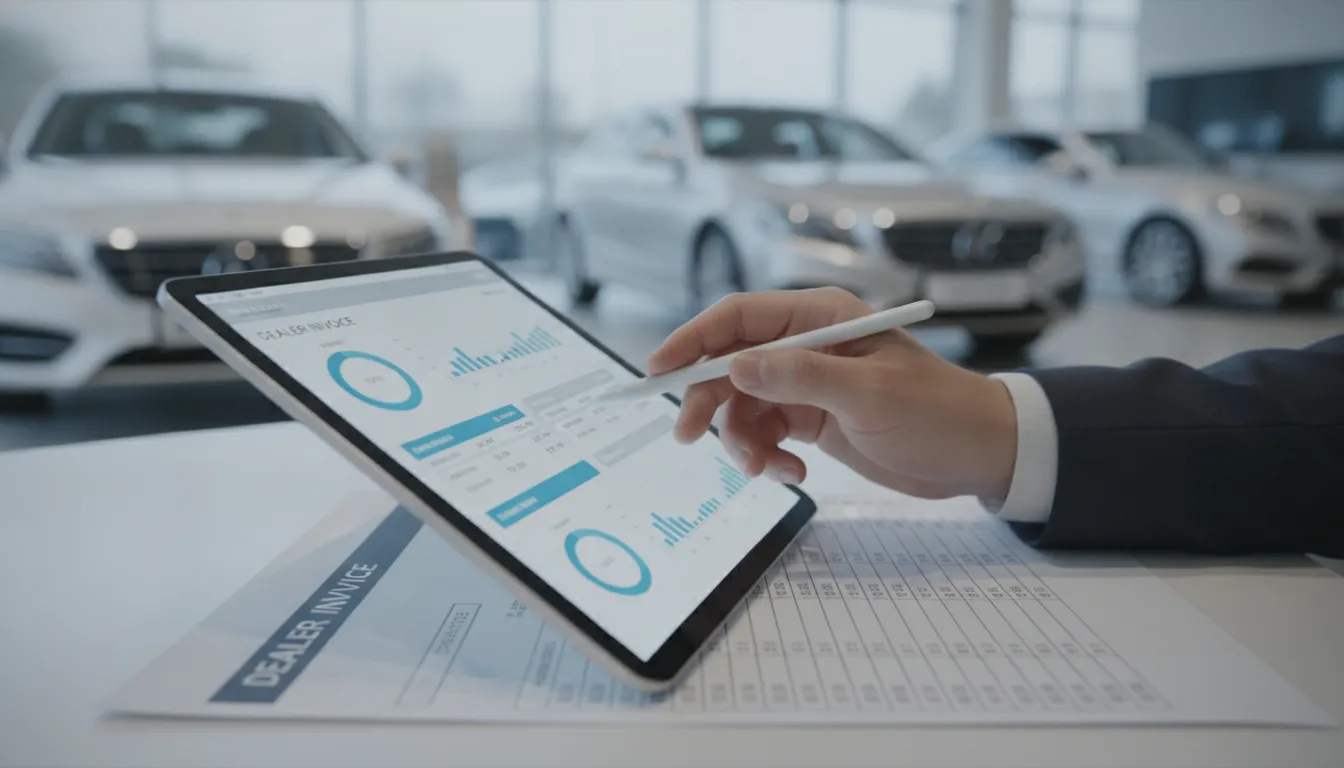
Learn how to get dealer invoice price for a new car, compare quotes, and use invoice pricing to negotiate a fair deal on your next vehicle purchase.
The phrase “at invoice” sounds simple, but it does not always tell you what you will pay. A dealer may quote the factory invoice price while adding fees, accessories, financing conditions, or delivery charges later. That is why researching how to get dealer invoice price should be part of a broader buying plan. You need to match the exact vehicle configuration, confirm eligible rebates, and request the full out-the-door total. Automated Brokers helps simplify this process by searching more than 1,300 vehicles across nine dealerships. With access to brands such as Toyota, Jeep, and Kia, the company can help buyers compare new vehicles at invoice or below and arrange nationwide delivery.
Key Takeaways
- Treat invoice pricing as a starting point: Match the exact trim, drivetrain, options, packages, paint, and destination charge before comparing offers.
- Judge the full purchase cost: Review incentives, dealer fees, taxes, registration, financing, add-ons, trade-in terms, and delivery charges in an itemized quote.
- Use a broker to simplify comparison shopping: Automated Brokers can search more than 1,300 vehicles across nine dealerships, pursue eligible new-car pricing at invoice or below, source pre-owned options at market prices, and coordinate delivery nationwide.
What Is the Dealer Invoice Price and Why Does It Matter?
The dealer invoice price, sometimes called dealer cost, is the amount listed on the invoice a manufacturer sends to a dealership when a new vehicle arrives from the factory. It typically falls below the vehicle’s Manufacturer’s Suggested Retail Price, or MSRP. While the invoice price is not the same as the dealership’s final cost, it gives you a useful reference point when reviewing a new-car offer.
Understanding invoice pricing can help you compare quotes, spot unexpected markups, and set a realistic purchase target. It also gives you better context when a salesperson says a vehicle is being sold “at cost.” The phrase may refer to the factory invoice, the dealership’s effective cost after incentives, or simply a marketing claim. Edmunds explains the difference between dealer invoice and dealer cost, including the discounts and manufacturer programs that may affect a dealership’s actual expenses.
The most useful comparison starts with the exact vehicle you want. A base trim without options will have a different invoice price than the same model with all-wheel drive, a premium package, upgraded paint, or additional equipment. You should also review the out-the-door price, since taxes, registration, dealer fees, delivery, and optional add-ons determine what you actually pay. Automated Brokers helps shoppers compare new vehicles at invoice or below while managing the buying process and delivery through its white-glove service.
Compare Dealer Invoice Price, MSRP, Dealer Cost, and Out-the-Door Price
These terms describe different points in the car-buying process:
- Dealer invoice price: The amount shown on the manufacturer’s invoice for the vehicle, factory-installed options, packages, and listed charges.
- MSRP: The manufacturer’s suggested retail price, usually displayed on the window sticker. It is a recommended price, not a mandatory selling price.
- Dealer cost: The dealership’s effective cost after factors such as holdback, dealer cash, volume incentives, and other manufacturer programs. It may be lower than the invoice amount.
- Out-the-door price: The complete amount you pay, including the vehicle price, dealer fees, taxes, title, registration, delivery, and selected add-ons.
A vehicle advertised at invoice can still have a high out-the-door total if the quote includes large documentation fees, protection packages, accessories, or other products. In contrast, a selling price slightly above invoice may be competitive if the dealer charges fewer fees or a qualifying rebate lowers the final amount. Use CarEdge’s dealer invoice information to compare invoice estimates with MSRP and local pricing data.
See What a Factory Invoice Usually Includes
A factory invoice generally lists the base vehicle, trim level, factory-installed options, packages, and destination charge. Features such as all-wheel drive, upgraded audio, driver-assistance technology, or a panoramic roof may appear as separate line items. The document may also include identifying details for the vehicle and the dealership receiving it.
The destination charge deserves special attention. It covers transportation from the manufacturer to the dealership and usually applies whether you buy locally or arrange delivery elsewhere. It is separate from a dealer’s additional transportation or delivery fee, so request a clear breakdown of both charges. AutoFinder’s invoice pricing guide provides more detail about the items commonly shown on a factory invoice.
Before requesting quotes, record the model year, trim, drivetrain, exterior color, interior, options, packages, and delivery location. Your comparison will only be accurate when every seller prices the same configuration. If one quote includes a package or charge that another leaves out, the apparent price difference may not reflect a better deal.
Understand Why Invoice Isn’t the Dealer’s Guaranteed Cost
The invoice price is a helpful benchmark, but it does not always represent the dealership’s final or guaranteed cost. Manufacturers may provide dealer holdback, sales-volume incentives, dealer cash, or performance bonuses that do not appear as direct reductions on the factory invoice. These programs can vary by brand, vehicle, region, dealership, and sales period.
As a result, a dealership may sell a vehicle at invoice, below invoice, or above invoice depending on inventory, demand, and available incentives. A high-demand model with limited local supply may command a different price from a vehicle that has remained unsold for several weeks. Edmunds explains how dealer incentives and holdback make it difficult to determine a dealership’s exact net cost.
You may not qualify for every advertised incentive, either. Some offers require you to use a specific financing arrangement, own another vehicle from the same brand, have served in the military, recently graduate, or participate in a qualifying program. Ask whether each discount is available to every buyer or depends on eligibility.
When reviewing a below-invoice offer, check whether the discount includes a rebate you qualify for, requires dealer financing, or is offset by mandatory accessories and fees. The final out-the-door amount matters more than whether the selling price is labeled “invoice.”
Compare Exact Dealer Invoice Prices With Online Estimates
Online invoice tools can help you create an initial price range, but an estimate is only useful when it matches the vehicle you are considering. Enter the correct model year, trim, drivetrain, packages, factory options, destination region, and destination charge whenever the tool allows it. Even a small configuration difference can change the estimated invoice by hundreds or thousands of dollars.
Check multiple reputable sources, then compare the estimates with current local listings and written dealer quotes. Edmunds’ car-pricing resources and CarEdge’s invoice tools offer useful starting points. Local listings can show what dealers are asking for comparable vehicles, although an advertised price may exclude fees, rebates, or required financing.
Treat online figures as estimates rather than proof of a dealer’s exact cost. The strongest comparison uses the same vehicle configuration, region, and approximate quote date. Ask each seller to list the vehicle price, dealer fees, incentives, taxes, registration, and delivery costs separately.
You can also ask Automated Brokers to review an invoice-based offer and compare it with available new-car inventory across nine dealerships. The company sources more than 1,300 vehicles, including Toyota, Jeep, and Kia models, and can arrange nationwide delivery. Contact Automated Brokers with your preferred configuration to request a clear quote without visiting multiple dealerships.
Where Can You Find the Dealer Invoice Price for a Specific Vehicle?
You can find a vehicle’s estimated dealer invoice price through online pricing tools, dealer documents, written quotes, and auto brokers. The most reliable method is to compare several sources, then confirm the figure against the exact vehicle you want to buy.
Start with one specific configuration rather than a general model name. A Toyota RAV4, Jeep Grand Cherokee, or Kia Sportage may have multiple trims, drivetrains, packages, and destination charges. Each detail can change the invoice amount. Online estimates can help you set a starting point, but they may not reflect current incentives, regional fees, dealer-installed accessories, or the exact vehicle in inventory.
Confirm the Trim, Drivetrain, Options, Packages, Paint, and Destination Charge
Before you look up an invoice price, create a complete list of the vehicle’s specifications. Include the model year, make, model, trim, drivetrain, factory-installed options, packages, exterior color, and destination charge. A base trim with front-wheel drive may have a very different invoice price from an all-wheel-drive model with premium packages.
Paint can affect the price as well. Some colors are included, while premium finishes carry an additional charge. The same applies to upgraded wheels, panoramic roofs, technology packages, and driver-assistance features.
AutoFinder’s invoice pricing guide recommends confirming the full configuration before using an estimate. If you leave out one package or option, you may compare the wrong figure and set an unrealistic offer.
Ask Automated Brokers for an Invoice-Based Quote on the Same Vehicle
An auto broker can help you request pricing for a specific new vehicle without making separate calls to multiple dealerships. Provide the model, trim, drivetrain, options, preferred color, and delivery location. Then ask for an invoice-based quote on that exact configuration.
Automated Brokers sources vehicles from an inventory of more than 1,300 cars across nine dealerships, including Toyota, Jeep, and Kia models. The team can review available vehicles and pursue new-car pricing at invoice or below, depending on the model, available incentives, and transaction details. You can see how the brokerage service works before requesting a quote.
Ask whether the quote includes the destination charge, dealer fees, taxes, title, registration, financing conditions, and delivery. You can also suggest a structure such as invoice price plus a fixed amount, as long as the final quote lists every charge.
Use Edmunds and CarEdge Invoice Pricing Tools
Online pricing tools offer a helpful reference before you contact a dealer or broker. Edmunds explains dealer invoice pricing and provides True Market Value information, which estimates what buyers are paying in a particular market.
CarEdge is another resource for researching estimated invoice prices, dealer costs, and broader vehicle pricing information. Use its car buying research tools to review the model you are considering and compare it with current market data.
Treat these numbers as estimates rather than guaranteed statements of a dealer’s actual cost. The figure may vary based on the vehicle’s options, region, incentives, fees, and the date the data was collected. Whenever possible, compare an online estimate with a written quote for the exact car.
Compare KBB, TrueCar, Consumer Reports, and Local Listings
Check several pricing sources instead of relying on one website. Kelley Blue Book, TrueCar, and Consumer Reports can help you review estimated pricing, transaction data, and local market conditions.
Local listings provide another useful comparison. Search for the same model, trim, drivetrain, and major options in your area. Pay attention to asking prices, listing dates, mileage, and whether each vehicle is new, in transit, or already sold.
Also review the terms behind each advertised price. A low price may require manufacturer financing, a trade-in, a specific rebate, or eligibility for a special program. Compare the complete offer, not just the headline number.
Request a Factory Invoice, Itemized Worksheet, or Written Dealer Quote
If you are working with a dealership, ask whether it can provide the factory invoice or an itemized worksheet. Some dealers may share the invoice when asked. Others may provide a written quote that separates the vehicle price, fees, taxes, and optional products.
Review the base invoice price, the invoice amount for each option and package, and the destination charge. Then check for dealer-installed accessories, documentation fees, protection products, and other add-ons. These charges may not appear on the factory invoice, but they can change the amount you pay.
A written quote gives you a clear document to compare across sellers. Ask the dealer to identify every rebate, financing requirement, expiration date, and fee. Also confirm whether any charge is added only after you apply for credit or visit the dealership.
Verify the Model Year, Region, VIN, and Quote Date
Before using an invoice figure to negotiate, confirm that it applies to the vehicle you are considering. Check the model year, region, VIN, trim, drivetrain, options, and packages. For a vehicle that has already been built, use the VIN to match the quote with the actual car rather than a similar listing.
The quote date matters because manufacturers can change incentives, destination charges, and pricing during a model year. Regional pricing may also differ because of transportation costs, local fees, and market conditions.
Ask whether the figure depends on financing, leasing, a trade-in, or an eligibility-based incentive. Automated Brokers can review the vehicle details and explain the available pricing before you commit. To discuss a specific car, contact Automated Brokers with the VIN or complete configuration.
What Factors Affect Dealer Invoice Price and Your Target?
Dealer invoice price is a useful reference, but it is not a complete picture of what a dealership pays or what you should offer. The invoice can change based on the vehicle’s exact configuration, and manufacturer programs may lower the dealer’s effective cost after the sale. Your target should account for both the vehicle price and the total amount you will pay.
Start by comparing three figures: the invoice estimate for the exact vehicle, incentives you may qualify for, and recent prices for similar vehicles in your market. Then request a written, itemized quote that shows the vehicle price, discounts, fees, taxes, registration, and delivery charges. CarEdge’s dealer invoice guide offers useful background on the difference between invoice pricing and dealer cost.
Your target should also reflect convenience and availability. A vehicle sourced from another dealership may have transportation costs, while a hard-to-find configuration may not sell at the same price as a vehicle with several matching units in stock. Reviewing these details before making an offer helps you compare quotes fairly and avoid counting the same discount twice.
Account for Factory Options, Packages, Paint, and Destination Charges
Invoice pricing applies to a specific vehicle configuration, not simply to a model name. A base Toyota, Jeep, or Kia can have a different invoice price from the same model with all-wheel drive, a larger engine, upgraded technology, or a premium package. Factory-installed options and packages generally increase both MSRP and invoice.
Exterior paint may add a premium charge, and destination charges can make another meaningful difference. The destination fee covers transportation from the factory to the dealership and is typically non-negotiable. Some online estimates include it, while others display it separately. Before comparing quotes, confirm the trim, drivetrain, options, packages, paint, destination charge, and any factory-installed accessories. Comparing two vehicles with different equipment can make one offer appear better than it really is.
Apply Manufacturer Rebates, Dealer Cash, and Finance Incentives
A vehicle can sell below invoice when the manufacturer or dealer offers discounts that do not appear as reductions on the factory invoice. Manufacturer rebates may apply to selected models, regions, or purchase periods. Dealer cash can give a dealership additional pricing flexibility, although the amount may not be advertised to shoppers.
Financing can change the final price as well. A manufacturer’s finance program may offer a lower purchase price with a special rate, while a cash buyer may receive a separate rebate. Ask whether an incentive requires a specific lender, loan term, credit profile, or minimum amount financed. Compare the total cost of the vehicle and loan, not just the monthly payment. Request a breakdown showing which discounts are available with cash, outside financing, or the dealer’s financing program.
Check Loyalty, Military, College, and Other Eligibility-Based Offers
Some incentives depend on your personal eligibility rather than the vehicle you select. Loyalty offers may apply if you currently own or lease a vehicle from the same manufacturer. Military members, first responders, educators, and recent college graduates may also qualify for brand-specific programs.
Ask Automated Brokers to review available offers before you set a final target. You may need documentation, such as proof of ownership, military service, employment, or graduation. Requirements can differ by manufacturer and may change by model or region.
Do not assume that every incentive can be combined with another discount. Ask for the eligibility requirements in writing and confirm whether the offer reduces the vehicle price, appears as a rebate, or affects your financing terms. This keeps your target realistic and prevents you from relying on a discount you cannot use.
Consider Holdback, Volume Bonuses, Advertising Fees, and Regional Pricing
The factory invoice does not show every payment that may affect a dealership’s cost. Holdback is a manufacturer credit that can return part of the vehicle’s invoice or MSRP to the dealer after the sale. Dealers may also receive volume bonuses, dealer cash, or other factory payments tied to sales targets.
Advertising assessments and regional programs can affect pricing from one market to another. These amounts are not always visible to buyers, and they should not be treated as guaranteed discounts in a negotiation. Instead, use them as context when evaluating an offer. Edmunds explains dealer invoice and dealer cost, including why the two figures are not always the same.
You do not need to calculate the dealer’s exact cost to negotiate effectively. A fair target can come from comparing the exact vehicle, current incentives, local supply, and written out-the-door prices.
Review Local Inventory, Demand, Dealer Listings, and Recent Transaction Data
The market around the vehicle matters. A model with several matching units in stock may have more flexible pricing than a high-demand vehicle with limited availability. Dealer listings can show how many comparable vehicles are available and whether prices have changed, but remember that an advertised price is not the same as a completed sale price.
Compare vehicles with the same trim, drivetrain, options, and mileage whenever possible. Look at nearby dealer listings, reputable valuation tools, and recent transaction data. If you are buying in Maryland or arranging delivery from another state, include local taxes, registration requirements, and transportation costs in your comparison.
Automated Brokers’ inventory spans more than 1,300 vehicles across nine dealerships. That broader search can help you compare availability beyond a single local lot. It may also help you find the configuration you want without accepting a higher price simply because one nearby dealer has limited stock.
Separate the Invoice Amount From the Dealer’s Effective Cost
Invoice price is the amount shown on a factory billing document. Effective dealer cost is a broader estimate that may account for holdback, incentives, dealer cash, volume programs, and other manufacturer payments. Since buyers generally cannot see every credit a dealership receives, calculating its exact cost from the invoice alone is difficult.
That does not make invoice pricing irrelevant. It gives you a consistent starting point when comparing offers for the same configuration. However, an offer below invoice is not automatically unfair to the dealer, and an offer above invoice is not automatically unreasonable. The dealership may have additional costs, while the vehicle may also qualify for factory support.
Focus on the complete transaction instead. Compare the selling price, eligible incentives, dealer fees, financing cost, trade-in value, and delivery charges. If Automated Brokers sources a vehicle from another dealership and delivers it to your door, include that service in the total comparison rather than judging the vehicle price in isolation.
Check Incentive Stacking Rules and Avoid Double-Counting Discounts
Incentive stacking means applying more than one eligible offer to the same purchase. Some programs can be combined, while others cannot. A loyalty rebate may work with a regional offer, for example, while a special finance rate may replace a separate cash rebate. Rules can vary by manufacturer, model, location, and purchase method.
Ask for a written breakdown of every discount and its requirements. Confirm whether the quoted price already includes rebates, finance incentives, or dealer cash before subtracting those amounts again. If a dealer advertises a price that depends on financing or eligibility, ask what the price would be without that condition.
Your worksheet should list the vehicle price, each applicable incentive, dealer fees, taxes, registration, and delivery charges as separate lines. This makes it easier to compare an invoice-based offer from Automated Brokers with other written quotes. It also shows exactly how the final price was calculated, so you can make a decision based on the full cost rather than a headline discount.
How Do You Use Dealer Invoice Price to Negotiate?
Dealer invoice price gives you a useful starting point for negotiating a new car, but it is not the same as the dealer’s final cost or your final purchase price. The invoice usually reflects what the manufacturer charged the dealership for the vehicle, factory options, and certain fees. It may not account for dealer holdback, volume bonuses, advertising fees, manufacturer incentives, or other programs.
Use invoice pricing alongside local market data, available rebates, vehicle demand, and the complete out-the-door price. A car advertised near invoice may still cost more after dealer fees, accessories, protection packages, taxes, registration, or delivery charges are added.
Before contacting dealers, choose the exact vehicle you want and write down your target price, eligible incentives, and maximum out-the-door budget. CarEdge’s dealer invoice guide can help you estimate the invoice amount for a vehicle. You can then use that estimate to request consistent, itemized offers from multiple sellers.
The strongest negotiation is based on written numbers, identical vehicle configurations, and a clear limit. Keep the vehicle price separate from your trade-in, financing, and monthly payment so you can tell whether the overall deal actually works for you.
Set a Target With Invoice, Local Market Data, and Eligible Incentives
Start with the estimated invoice price for the exact trim, drivetrain, options, packages, and destination charge you want. Then compare that figure with similar vehicles listed in your area. This helps you set a realistic target instead of treating MSRP as the only reference point.
Apply only the rebates and incentives you qualify for. Some offers may require manufacturer financing, military eligibility, recent graduation, loyalty status, or another specific condition. Ask the dealer to identify each incentive and explain whether it changes the vehicle price or applies elsewhere in the transaction.
Your target may be invoice, below invoice, or a set amount above invoice. The right number depends on inventory, demand, and how quickly the dealership needs to sell the vehicle. CarEdge’s pricing information can help you compare your target with broader market conditions. Keep your target in writing so every quote is measured against the same standard.
Send the Same Written Offer to Multiple Dealers
A written offer creates a clear record and makes dealer responses easier to compare. Contact several dealerships and send each one the same vehicle specifications, including the model year, trim, drivetrain, exterior color, interior, packages, and required features.
Ask every dealer for the selling price, available incentives, dealer fees, add-ons, taxes, registration costs, and final out-the-door total. Request a stock number or VIN whenever possible. That detail confirms you are comparing actual vehicles rather than general advertisements that may exclude options or include conditions you do not meet.
Avoid comparing offers through monthly payments. A dealer can lower the payment by extending the loan term, even when the vehicle price remains high. Request the same cash price or financed vehicle price from each seller. This invoice price guidance can help you structure a direct request for itemized quotes.
Request an Itemized Out-the-Door Quote
Ask for an itemized out-the-door quote before agreeing to buy. The document should identify the vehicle and list its selling price, factory options, destination charge, dealer fees, taxes, title, registration, and optional products. A VIN or stock number makes the quote more useful because it ties the pricing to a specific car.
An itemized quote can reveal charges that are easy to miss in a verbal discussion. Look for paint protection, window etching, nitrogen-filled tires, theft deterrent systems, service contracts, and other products you did not request. Ask whether each item is required, then request removal of anything you do not want.
Review the base invoice, option and package pricing, and destination charge separately. AutoFinder’s invoice pricing guidance explains the main figures buyers should examine. Comparing the full total, rather than only the advertised vehicle price, gives you a more accurate basis for negotiation.
Review the Vehicle Price, Dealer Fees, Add-Ons, Taxes, Title, and Registration
Separate the negotiated vehicle price from every additional charge on the worksheet. Dealer fees may include documentation, processing, electronic filing, or advertising charges. Some costs are required by state law, while others are set by the dealership and may be negotiable. Ask for an explanation of any fee that is unclear.
Review add-ons with the same care. If you did not request a paint coating, alarm system, service plan, wheel protection, or other product, ask for it to be removed. Do not assume an add-on is mandatory simply because it appears on a printed worksheet.
Taxes, title, and registration usually do not form part of the dealer invoice. They depend on where you register the vehicle and may be collected by the dealer at purchase. Edmunds explains what dealer invoice generally excludes, which is why the out-the-door price matters more than invoice alone.
Account for Delivery Charges and State-Specific Costs
Confirm whether the manufacturer’s destination charge is included in the invoice estimate and dealer quote. It may appear as a separate line item. Check the worksheet carefully to make sure the charge is included once, not omitted or listed twice.
Buying from another state can add paperwork and costs. Ask who handles temporary tags, title documents, registration, taxes, and required inspections. These charges often depend on the state where you register the vehicle rather than the state where the dealership is located.
Request a separate delivery quote if the vehicle will be transported to your home. Ask whether the price includes enclosed or open transport, delivery insurance, and any required paperwork. Automated Brokers offers nationwide vehicle delivery, allowing buyers to review transportation costs with the rest of the purchase details before signing.
Keep Trade-In Value, Financing, and Monthly Payments Separate
Negotiate the new vehicle price before discussing your trade-in or financing. Combining all three figures can make a deal look affordable while hiding a high selling price, a low trade-in offer, or expensive loan terms. Ask for the new vehicle price without a trade-in first.
Next, request a separate trade-in offer that shows the allowance and any remaining loan payoff. The difference between those amounts determines your trade equity or negative equity. Compare the offer with independent estimates and other purchase offers before accepting it.
Handle financing separately as well. Compare the annual percentage rate, loan term, amount financed, and total repayment. A longer loan term may reduce the monthly payment while increasing the total interest. Focus on the total vehicle price during the invoice negotiation, then evaluate financing based on the complete cost of the loan.
Compare Identical Configurations and Set a Walk-Away Price
Compare quotes only when the vehicles have the same trim, drivetrain, engine, packages, factory options, paint, and destination charge. A lower price may reflect a different configuration or leave out equipment you expected. Edmunds’ invoice pricing explanation reinforces the importance of matching vehicles before comparing prices.
Set a walk-away price before negotiations begin. Include the vehicle price, required dealer fees, taxes, registration, delivery, and any financing costs you are willing to accept. Decide in advance which optional products you will decline. Having a firm limit makes it easier to respond when a seller introduces new charges late in the process.
Keep each quote and compare the totals line by line. If a dealer exceeds your limit or adds products you did not approve, you can decline without pressure. Automated Brokers can help source an invoice-based offer, compare available vehicles, and review purchase details before you commit.
How Can Automated Brokers Help You Get an Invoice-Based Deal?
Getting a new car at or below dealer invoice takes more than finding the lowest advertised MSRP. The vehicle must match your preferred model year, trim, drivetrain, factory options, packages, paint, and destination charge. Even a small difference in equipment can change the invoice amount and make two seemingly similar listings difficult to compare.
You also need to look beyond the vehicle’s selling price. Manufacturer rebates, finance incentives, trade-in value, dealer fees, taxes, registration, and delivery costs all affect what you actually pay. A low monthly payment may not represent a low purchase price, especially when a longer loan term or additional products are included.
Automated Brokers helps simplify this research and negotiation process. The company searches more than 1,300 vehicles across nine dealerships, including Toyota, Jeep, and Kia models. Its team can compare available inventory, review pricing details, coordinate with dealerships, and arrange delivery. You can learn how the brokerage process works before sharing your vehicle preferences and requesting a quote.
Compare Exact New-Car Configurations Across 1,300-Plus Vehicles at Nine Dealerships
Invoice pricing only provides a useful comparison when the vehicles are configured the same way. A base model and a higher trim may share the same name, but their prices can differ considerably once you add four-wheel drive, advanced safety features, premium paint, towing equipment, or a factory-installed package.
Automated Brokers can compare exact configurations across more than 1,300 vehicles at nine dealerships. The comparison can account for the model year, make, model, trim, drivetrain, options, packages, and other details that affect pricing. This makes it easier to evaluate a specific vehicle rather than relying on a broad model description or an advertised monthly payment.
You can also review CarEdge’s dealer invoice pricing information as an independent reference when assessing an offer.
Source Toyota, Jeep, Kia, and Other New Vehicles Nationwide
Local inventory may not include the color, trim, or equipment you want. Searching only nearby dealerships could mean accepting a vehicle that lacks important features or paying more for limited availability. Automated Brokers can search its partner dealership network for suitable new vehicles across the country.
The company sources Toyota, Jeep, Kia, and other new vehicles based on available inventory and your preferences. A wider search may give you more configuration choices and reveal price differences between dealerships or regions. It can also help when a specific model is difficult to find locally.
When you contact the broker, provide the model, trim, drivetrain, preferred features, color, and acceptable alternatives. Include your target budget and timing as well. Clear details help the team identify relevant vehicles instead of sending you options that do not meet your needs.
Buy New Cars at Invoice or Below
Dealer invoice gives you a pricing reference based on the amount listed on the manufacturer’s invoice. It does not necessarily represent the dealer’s final cost, because holdback, volume bonuses, incentives, advertising programs, and other arrangements may affect the dealer’s effective cost.
Automated Brokers uses its experience and dealership relationships to pursue new-car pricing at invoice or below when inventory, incentives, and market conditions make that possible. The result depends on the vehicle you choose, its configuration, demand, and available manufacturer programs. No invoice target should be treated as a guaranteed price for every model.
Ask for a written quote that separates the vehicle price from rebates, dealer fees, taxes, registration, financing charges, and delivery. This shows whether the advertised discount applies before or after incentives and gives you a clearer view of the final out-the-door cost.
Separate New-Car Invoice Pricing From Pre-Owned Market Pricing
Dealer invoice pricing applies to new vehicles. A pre-owned car does not have a current manufacturer invoice in the same way, so its price should be evaluated using comparable listings, mileage, condition, accident history, equipment, service records, and local demand.
Automated Brokers can help you consider both new and pre-owned vehicles, but the pricing method should remain separate. For a new car, compare the offer with invoice pricing and eligible manufacturer incentives. For a pre-owned vehicle, compare the asking price with similar cars and relevant market data.
This distinction matters when you are deciding between a new model and a used version of the same vehicle. A pre-owned car may have a lower purchase price, but its mileage, condition, warranty coverage, and financing terms also affect its value. AutoFinder’s guide to finding invoice price explains why invoice pricing is generally a new-vehicle reference.
Use White-Glove Service Instead of Visiting Dealerships
You do not have to spend several weekends visiting dealerships, repeating your preferences, or negotiating with multiple sales teams. Automated Brokers offers a concierge-style process that can handle much of the research, dealership communication, and purchase coordination for you.
You share the details of the vehicle you want, along with your budget, trade-in information, financing preferences, and delivery location. The team then searches available inventory and presents suitable options. Having one point of contact can make the process easier to manage than handling separate conversations with several dealerships.
The Automated Brokers service is designed for buyers who want a more convenient alternative to the traditional dealership experience. You should still review every document carefully before signing, but the broker can reduce the amount of time you spend on research and negotiation.
Arrange Nationwide, Direct-to-Door Vehicle Delivery
The right vehicle may be located outside your area, especially if you want a specific trim, color, or package. Automated Brokers can coordinate nationwide delivery, allowing you to purchase from a partner dealership without making a long trip to pick up the car.
Before approving the purchase, confirm the delivery method, estimated timing, drop-off location, and transportation charge. Ask whether delivery is included in the written quote or listed as a separate line item. You should also clarify how the vehicle will be inspected at delivery and what steps to follow if it arrives with damage or has an issue that was not disclosed.
Direct-to-door delivery adds convenience, but it remains part of the total purchase cost. Compare the complete out-the-door amount, including transportation, rather than judging the deal by the vehicle price alone.
Review Incentives, Financing, Trade-In Value, Fees, and Delivery Costs Before Signing
An invoice-based vehicle price is only one part of the transaction. Automated Brokers can help you review manufacturer rebates, finance incentives, loyalty offers, military programs, college graduate discounts, trade-in value, dealer fees, taxes, title costs, registration, and delivery charges.
Some incentives cannot be combined. A low-interest financing offer may also replace a cash rebate, so compare both options using the total amount paid over the life of the loan. Keep the vehicle price, trade-in value, loan terms, and monthly payment separate while reviewing the offer. This makes it harder for one attractive number to hide a higher overall cost.
Before signing, request an itemized out-the-door breakdown. Check the VIN, model year, trim, options, mileage, selling price, rebates, fees, taxes, title and registration costs, financing terms, and delivery charge. If you are ready to discuss a vehicle, you can contact Automated Brokers with your preferred configuration and purchase details.
Frequently Asked Questions
Is dealer invoice price the same as what the dealership pays?\ Not always. The invoice shows the amount billed by the manufacturer, but dealer holdback, incentives, volume bonuses, and other programs can affect the dealership’s actual cost. Use invoice pricing as a reference, not as proof of the dealer’s exact expense.
Can a buyer purchase a new car below dealer invoice?\ Yes, depending on the vehicle, inventory, demand, and available manufacturer incentives. A below-invoice offer may include rebates or financing conditions, so review the complete out-the-door price before deciding whether it is a good deal.
What should I include when comparing invoice prices?\ Use the exact model year, trim, drivetrain, factory options, packages, paint, destination charge, and delivery location. Then compare dealer fees, taxes, registration, financing requirements, and transportation costs. Quotes are only comparable when they describe vehicles with matching equipment.
Where can I find the invoice price for a specific vehicle?\ Online pricing tools from sources such as Edmunds and CarEdge can provide estimates. You can also request a factory invoice, itemized worksheet, or written quote from a dealership or broker. Confirm that the information matches the vehicle’s VIN or complete configuration.
How can Automated Brokers help with an invoice-based purchase?\ Automated Brokers can search more than 1,300 vehicles across nine dealerships, compare available new-car options, and pursue pricing at invoice or below when conditions allow. The team can also review fees, incentives, financing details, trade-ins, and nationwide delivery, helping you complete the purchase without visiting multiple dealerships.