Hyundai Venue For Sale: What Buyers Should Know
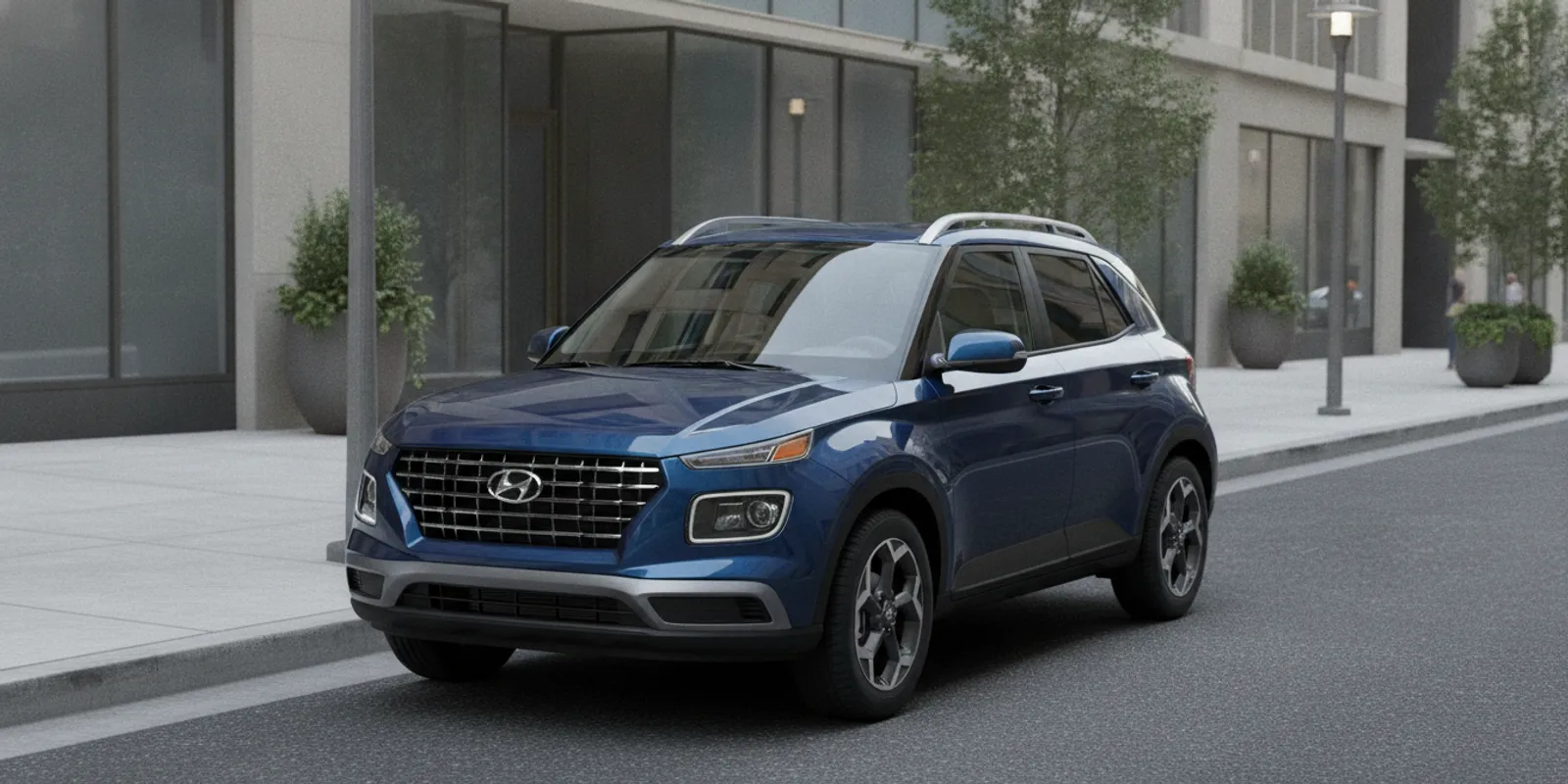
Shopping for a Hyundai Venue? Compare trims, model years, condition, and total cost, then make a focused request for the right vehicle.
Finding a Hyundai Venue for sale is only the first part of choosing one. To compare listings well, decide what you need from a compact SUV, compare model year and trim carefully, and look at the full cost and condition—not just the advertised price. A clear request can also help narrow a search without visiting multiple dealerships.
Tell us what Venue you are looking for
What is a Hyundai Venue best suited to?
The Venue is a small SUV, so it may suit a buyer who wants a higher seating position and a compact footprint for everyday driving. Before comparing vehicles, think about how you will use it. A daily commute, city parking, weekend errands, and occasional highway trips can lead to different priorities than frequent long-distance travel or carrying several passengers and bulky cargo.
Write down your needs before opening listings. Consider how many people usually ride with you, what you carry, where you park, and which features matter every day. If you regularly need generous rear-seat room or substantial cargo capacity, compare the Venue with other Hyundai models as well. The Hyundai model range gives you another place to start if the Venue is not the only vehicle on your list.
Set your priorities before comparing listings
A short list makes a vehicle search more useful. Separate must-haves from preferences so a listing does not distract you with equipment you may never use. For example, a buyer who mainly needs a simple commuter may put overall condition, service history, and a manageable payment ahead of appearance packages. Another buyer may care more about a particular comfort or technology feature.
- Use: Note your daily routes, passenger needs, and typical cargo.
- Budget: Set a maximum total purchase budget, not only a monthly payment.
- Timing: Decide whether you need a vehicle soon or can wait for a closer match.
- Vehicle status: Choose whether you are open to new, used, or certified pre-owned options.
- Non-negotiables: List the features, condition, and mileage considerations that would make you decline a vehicle.
Keep the list brief enough to guide decisions. If every preference becomes a strict requirement, you may rule out reasonable alternatives. If nothing is specific, you may spend time comparing vehicles that do not fit. To make this practical, label each criterion “must have,” “prefer,” or “not important.” A required safety or comfort feature belongs in the first group; color may belong in the second. When a promising listing falls short, this ranking tells you whether to investigate or move on.
Compare model years without assuming they are identical
When you find a Hyundai Venue for sale, verify the model year and the actual equipment on that vehicle. A model name alone does not confirm every feature. Equipment can vary by year, trim, and individual vehicle, and a listing may leave out details that matter to you. Use the vehicle identification number (VIN), seller documentation, and the vehicle’s own equipment information to confirm what is included.
Compare listings in the same order: year, trim, mileage, condition, service records, included equipment, and price. This makes it easier to see whether a lower asking price reflects a different year, more miles, a different trim, or an unresolved condition concern. Do not assume that a newer vehicle is automatically the better fit; compare its actual equipment and total cost with the alternatives.
Build a side-by-side comparison rather than keeping details in memory. A simple note can show a 2022 vehicle with more mileage but a complete service record beside a newer vehicle whose records are incomplete. Neither is automatically preferable. The right next step is to find out what explains the difference, whether the equipment matches your priorities, and whether the total price makes sense after you account for condition and any immediate maintenance.
Separate trim and equipment from the model name
Trim names can help you organize a search, but they are not a substitute for confirming equipment. Build a feature checklist from your own priorities. If a specific feature is essential, ask for confirmation before treating a listing as a match. Check that the listing describes the vehicle itself rather than broad information copied from a model page.
Ask the seller for the window sticker or other reliable vehicle-specific equipment record when available. Confirm key details in writing, especially if a feature affects your decision. You can then compare like with like rather than choosing based on a trim label or photo alone.
Use a three-column checklist: feature, importance, and proof. For instance, list a driver-assistance feature as essential, note that it must be confirmed, and request a vehicle-specific record or clear demonstration. For a preferred cabin feature, a photo may help prompt a question, but the seller should still confirm it belongs to that specific vehicle. Do not infer equipment from a stock image, a generic description, or the name of a package. If the answer is uncertain, keep the item marked unverified until documentation resolves it.
Compare the full cost, not only the asking price
The advertised price is only one part of what you may pay. Ask for an itemized breakdown of the vehicle price and any dealer charges, and confirm which taxes, registration costs, and other fees apply to your transaction. If you are financing, compare the amount financed, annual percentage rate, loan term, and total amount paid. A smaller monthly payment can result from a longer term, so it does not by itself show which offer costs less overall.
For a used Venue, include likely ownership costs in your comparison. Review the service history, tire condition, and any maintenance or repair needs identified during an inspection. If you have a trade-in, compare its value separately from the purchase price. Keeping those figures separate helps you understand the deal instead of focusing on a single combined number.
Ask for the out-the-door figure in writing, then identify what it includes and what remains your responsibility. One quote may show a lower vehicle price but add charges elsewhere; another may state a higher price while itemizing fewer additional costs. Avoid drawing conclusions until both quotes use the same basis. If financing is involved, compare the same down payment assumptions and loan length, and review the total amount paid rather than treating the monthly figure as the whole decision.
It can help to divide the budget into three parts: the amount available for the purchase, the amount reserved for taxes and transaction costs, and a post-purchase cushion for maintenance or repairs. The right amounts depend on your circumstances, so set them before negotiating. If a vehicle only fits when you ignore fees or assume an unconfirmed trade-in value, it may not fit the budget you actually set.
Check condition consistently on a used Venue
For each used vehicle, use the same checks. Review available maintenance records and ask about prior damage, repairs, and current warning lights. Inspect the body and cabin in good light. Look for uneven gaps, paint differences, unusual wear, dampness, or odors, and ask about anything you cannot explain. During a test drive, pay attention to steering, braking, shifting, visibility, and unusual sounds.
A test drive and a seller’s description are not a replacement for an independent inspection. If you are considering a used vehicle, arrange an inspection by a qualified mechanic before committing, where practical. Ask the seller how any identified issue will be handled and get agreed terms in writing. Check the vehicle history report as one input, while remembering that a report may not show every event or repair.
Take a repeatable approach when viewing the vehicle. Start outside and walk around it in daylight. Look along the body panels for inconsistent reflections, note differences in paint shade, and check whether the tires appear evenly worn. Inside, compare the wear on the steering wheel, pedals, seats, and controls with the mileage and seller description. These observations are not a diagnosis; they are prompts for specific questions and a closer inspection.
Then check the records. Ask whether routine service is documented, whether repairs were performed, and whether the seller knows of outstanding issues. A gap in paperwork does not prove a problem, but it leaves a question to resolve. Write down dates and mileage shown on records and compare them with the odometer and the vehicle history information. If dates or descriptions do not line up, ask for clarification before moving forward.
On the test drive, choose a route that lets you assess the vehicle in ordinary conditions, subject to the seller’s rules. Notice whether it starts, accelerates, steers, and brakes as expected, and listen for sounds that merit investigation. Check that the seating position, visibility, and controls work for you. A brief drive can reveal concerns but cannot verify mechanical condition, so keep the independent inspection as a separate step rather than treating a smooth drive as proof.
Finally, make a written list of questions for the mechanic or seller. Separate urgent concerns from items that need routine attention, and ask for an estimate or documented plan where an issue is found. Decide in advance whether you will proceed, renegotiate, or walk away if a major concern appears. That keeps the decision tied to your budget and priorities rather than to the time already spent on the search.
How can you search without visiting multiple dealerships?
Start with one complete vehicle request rather than sending vague inquiries to many listings. Include your preferred model year range, trim or must-have features, maximum budget, new or used preference, acceptable mileage or condition, and timing. State which preferences are flexible. The more clearly you describe the trade-offs you will accept, the easier it is to identify useful options.
Automotive Car Brokers provides a vehicle request form for shoppers who want help with a search. You can also read how the vehicle brokerage process works before deciding what information to provide. For Hyundai-specific browsing, return to the Hyundai page and compare the Venue with other models if your needs point elsewhere.
A useful request is specific without being rigid. “A Venue, any year, low price” leaves too many unanswered questions. “A used Venue in my budget, with a documented history, a specific essential feature, and flexibility on color” gives a clearer direction. If you do not know which trim includes the feature you want, state the feature itself and ask for matching vehicles to be verified, rather than choosing a trim label based on assumption.
It also helps to be candid about timing and alternatives. If you need a vehicle by a certain date, say so and identify whether you can consider a different color, year, or similar model if the exact match is not available. A request with no flexibility may take longer to fulfill, while a request that leaves every choice open may produce options that are hard to compare. Explain where you are willing to compromise and where you are not.
What should you include in a vehicle request?
A useful request gives the search a clear boundary while leaving room for suitable alternatives. Include:
- Your target model and acceptable model years.
- Trim or specific features that matter, and which are optional.
- Your budget range and whether it refers to the vehicle price or total out-the-door amount.
- Whether you are considering new, used, or certified pre-owned vehicles.
- Your location and delivery or pickup expectations.
- Your timeline, plus any trade-in or financing questions you want to discuss.
Before agreeing to a vehicle, ask for its VIN, a written price breakdown, the condition and history information available, and confirmation of the equipment you require. Review the final paperwork against the terms you discussed. Do not rely on an unconfirmed verbal promise about price, features, or condition.
For the most useful comparison, send the same basic criteria for every candidate. Then note which answers are still missing. For example: “Vehicle A has a confirmed VIN and service records, but I need to verify the feature and final price. Vehicle B has a lower advertised price, but the history and fee breakdown are outstanding.” This approach makes a follow-up conversation concrete. It also prevents a favorable headline price from overshadowing an unanswered condition or equipment question.
When you receive a written offer, compare its terms line by line with your request. Confirm the vehicle identity, mileage, included equipment, price, fees, trade-in treatment, and any commitments about repairs or delivery. If something has changed, ask for a revised document rather than relying on a verbal explanation. Keep a copy of the final terms and all records that informed your decision.
When might another vehicle be a better fit?
The Venue may not meet every shopper’s space, driving, or equipment needs. If you need more room for passengers or cargo, compare other SUVs. If you are unsure whether an SUV is the right shape, consider the kind of driving and loading you do most often. An alternative model can be a better match even when the Venue was your starting point.
Use the same criteria across alternatives: required features, condition, total cost, and the effort needed to find the right vehicle. The goal is not to choose the first available listing. It is to find a vehicle that fits your needs and whose details and price you can verify.
Think through a typical week rather than an imagined special case. Count the passengers you usually carry, measure or estimate the items you transport, and consider where the vehicle will be parked. A compact SUV may be convenient for tight spaces, but an occasional large load could still make interior capacity a deciding issue. If your everyday tasks and occasional needs point in different directions, decide which one should carry more weight.
Compare alternatives as a decision exercise, not as an invitation to expand the search indefinitely. Choose one or two plausible options, write down what each gains or gives up, and check whether the difference matters in actual use. If the Venue remains the best match, return to the original criteria. If another model better satisfies a non-negotiable need, revise the request before spending time on individual listings.
Make a useful request: a practical sequence
A search is easier to manage when you move through it in a defined order. First, write a short specification: model, years, maximum spend, and essential equipment. Next, decide which variables can move. You might accept a different color or a slightly wider model-year range while holding firm on a maximum price or a documented service record. Making this distinction early prevents a search from being reset every time a new listing appears.
Then gather comparable information for each candidate. Use a simple note or spreadsheet with one row per vehicle and columns for VIN, year, trim, miles, asking price, known fees, condition questions, records, and next action. Mark missing information as unknown rather than assuming the listing is complete. That makes follow-up questions obvious and helps you avoid treating an attractive photo as evidence of condition.
For every candidate, ask the same core questions: Is it still available? Can the seller confirm the VIN and exact equipment? What is the itemized price? What records or inspection information can be reviewed? Are there known issues or open questions? Consistent questions make differences between offers easier to spot and reduce the risk of comparing one thoroughly documented vehicle with one that has only a short description.
Finally, decide what would change your mind. A vehicle may be worth pursuing if the answers support your priorities; it may be a pass if the seller cannot verify a feature, provide a clear price, or address a concern. Writing down that decision rule before a specific car catches your attention can keep the process grounded.
Here is one workable sequence. First, define requirements and budget. Second, request candidate information and check whether the vehicle meets the essential criteria. Third, compare written prices on the same basis. Fourth, arrange a viewing, test drive, and appropriate independent inspection. Fifth, review the final paperwork and make a decision. The order matters: it avoids investing effort in a vehicle that fails a basic requirement, while still leaving room to investigate a promising candidate whose listing is incomplete.
At each stage, keep a “known, unknown, resolved” note. A confirmed VIN is known; an unclear equipment claim is unknown; a seller-provided vehicle-specific record may resolve it. This small habit prevents assumptions from becoming facts in your comparison. It also gives you a concise way to explain your needs and ask for the next piece of information.
How do new, used, and certified pre-owned options compare?
The right category depends on your budget, desired condition, and how much vehicle history you want to evaluate. Availability and program terms vary by vehicle and seller, so verify the specific offer rather than relying on a category label alone.
| Option | What to verify | Questions to ask |
|---|---|---|
| New | Exact trim, equipment, price, and delivery timing | What charges are included, and what is the complete written price? |
| Used | VIN, mileage, condition, service records, and history | Can I review records and arrange an independent inspection? |
| Certified pre-owned | Program eligibility, inspection details, and written coverage terms | What does the certification include for this specific vehicle? |
This comparison is a starting point, not a verdict. A well-documented used vehicle may suit one buyer better than a new one, while another shopper may value the condition and known specification of a new purchase. Read any coverage terms carefully and check which exclusions, dates, or mileage limits apply.
When comparing a new option, confirm whether the listed vehicle is physically available, whether its configuration matches your needs, and when it could be delivered or picked up. If the vehicle is not available now, ask what the next step and timing are, and whether any estimate is firm or subject to change. Keep a written record so you can compare it fairly against used choices.
For a used vehicle, think of condition information as a set of evidence rather than a single label. Service documents, inspection results, seller answers, and your own viewing each tell part of the story. Certification may add defined checks or coverage, but the exact program terms matter. Ask what was inspected, what repairs were completed, what coverage remains, and which exclusions apply; do not assume every certified label means the same thing.
Consider the trade-off in the context of your own tolerance for uncertainty. One shopper may prefer a newer vehicle with a higher total cost and less history to evaluate. Another may accept a used vehicle after reviewing records and an inspection. Neither preference removes the need to verify the specific vehicle, compare written terms, and decide whether the cost and condition are acceptable.
How can you make a remote comparison more reliable?
If you are considering a vehicle located away from you, request information that can be checked before arranging travel or delivery. Ask for the VIN, clear photos of the exterior and cabin, the dashboard with the engine running if appropriate, and copies of available records. Request images of any wear or damage the listing mentions. Photos help identify questions but cannot establish every detail of condition.
Ask who will inspect the vehicle, what the inspection covers, and whether the results are available in writing. Clarify the process for a test drive or independent inspection before you pay a deposit. Confirm the full purchase terms, including payment timing, paperwork, pickup or delivery responsibilities, and any cancellation conditions, in writing. Do not assume that a remote purchase has the same process as a local transaction.
Keep a record of the answers and documents you receive. If a key claim changes between a listing, a phone call, and written paperwork, pause and resolve the difference before proceeding. For buyers seeking help with the dealer-side search, a clear request can establish the criteria and questions to address; it does not replace reviewing the specific vehicle and written terms.
Make remote evidence requests precise. Rather than asking for “more photos,” identify the areas you need to see: each side of the exterior, wheel and tire condition, seats and cargo area, instrument panel, and any damage already disclosed. Ask that images show the vehicle being considered and that the VIN matches the records provided. These materials cannot substitute for an in-person assessment or qualified inspection, but they can help you identify missing information before making travel plans.
Before sending money, understand the sequence and safeguards of the transaction. Confirm who is receiving payment, what document records the deposit, whether it is refundable, and what happens if inspection results differ from the description. Verify the vehicle identity and written price, and make sure you understand pickup, delivery, title, and registration responsibilities. If any term is unclear, ask for clarification in writing and take time to review it.
Remote buying can make logistics easier for some shoppers, but distance does not reduce the need for due diligence. A clear file of the listing, communications, inspection information, and final paperwork helps you track what has been represented. If a seller will not provide basic identifying details or written terms, consider that a reason to pause rather than a reason to hurry.
Frequently asked questions
What should I compare first when shopping for a Hyundai Venue?
Start with the model year, trim, required equipment, condition, and total price. These details help you distinguish vehicles that meet your needs from listings that only share the same model name.
Should I consider a used Hyundai Venue?
A used Venue may be worth considering if its condition, history, equipment, and total cost fit your requirements. Review records, arrange an independent inspection where practical, and compare it with other vehicles on the same criteria.
How can I avoid comparing different offers by monthly payment alone?
Ask for the vehicle price and itemized charges, then review the financing rate, term, amount financed, and total paid. Compare trade-in value separately so the full purchase terms remain clear.
What information helps a broker search for the right Venue?
Share your preferred years, budget, must-have features, condition preference, timing, and which details can be flexible. A complete request gives the search a more useful starting point than a model name alone.
A careful comparison turns a Hyundai Venue search into a manageable decision: define your needs, verify each vehicle, and request the details that matter before you commit.