Nissan GT-R Cars for Sale: A Buyer's Guide
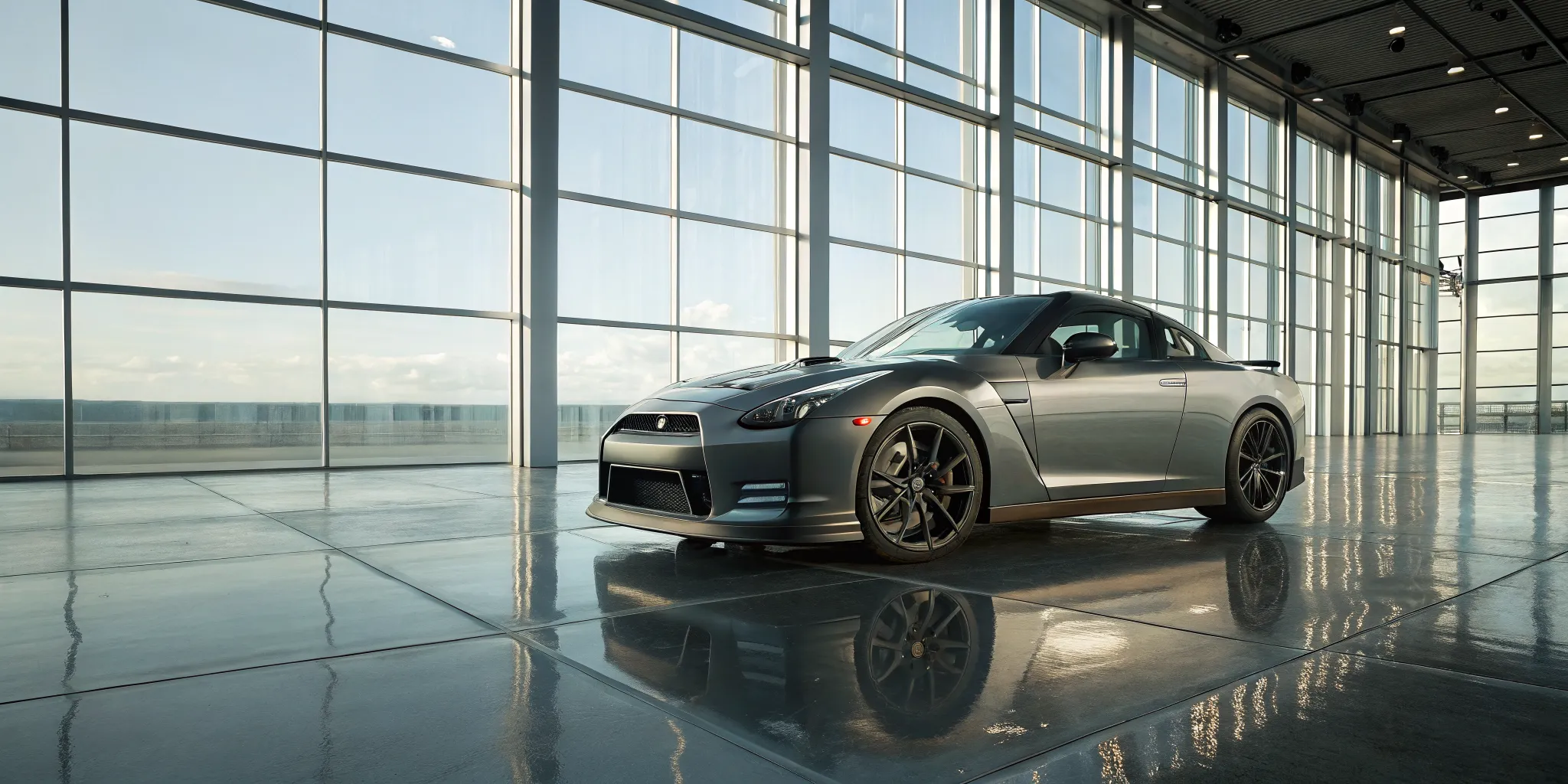
Find the best Nissan GT R cars for sale with this buyer’s guide covering pricing, model years, inspection tips, and what to expect as an owner.
As auto brokers, we’ve helped countless clients find their dream cars, and the Nissan GT-R is always a popular request. We’ve seen firsthand the excitement and the challenges that come with this search. You want the legendary performance, but you also want to avoid the headaches of a poorly maintained vehicle. We sift through hundreds of nissan gt r cars for sale to find the ones that meet our high standards. We wrote this guide to share some of that insider knowledge with you. We’ll explain why we recommend certain model years, what to look for during an inspection, and how to understand the real costs, empowering you to make a great choice.
Key Takeaways
- Focus your search on 2012 and newer models: These years feature key transmission and software improvements, making them a more reliable choice and a smarter long-term investment compared to earlier versions.
- Budget beyond the purchase price: Owning a GT-R means planning for supercar-level running costs, including frequent maintenance, expensive consumables like tires and brakes, and a dedicated fund for potential repairs.
- A professional inspection is non-negotiable: Before you buy, have a mechanic who specializes in GT-Rs perform a pre-purchase inspection (PPI) to uncover hidden issues with the transmission, engine, or modifications.
Why Everyone Wants a Nissan GT-R
The Nissan GT-R, famously nicknamed "Godzilla," has been a legend for decades, and for good reason. It’s a car that consistently punches above its weight, offering supercar-level performance without the stratospheric price tag. This unique combination of raw power, intelligent engineering, and everyday usability makes it one of the most sought-after sports cars on the market. Whether you’re a seasoned enthusiast or just starting to explore the world of high-performance vehicles, the GT-R has an undeniable pull that’s hard to ignore. It's a statement piece that backs up its aggressive looks with truly mind-bending capabilities.
What makes it so special? It’s not just one thing, but a perfect storm of three key elements. First, there's the heart of the beast: a hand-built, twin-turbocharged engine that delivers breathtaking acceleration. Then, there's the incredibly smart all-wheel-drive system that gives you the confidence to use all that power. Finally, the interior wraps you in a driver-focused cockpit that blends race-car data with modern tech. It’s a car that feels just as at home on a track as it does on your daily commute, a rare feat in the performance world. If you're ready to see what's available, you can check out our current inventory to find your perfect match.
Its Twin-Turbo Power
At the heart of the GT-R's appeal is its iconic twin-turbocharged V6 engine. Each one is hand-assembled by a single master craftsman, known as a Takumi, in a dust-free, temperature-controlled room. This level of care is usually reserved for cars costing three times as much. The result is a powertrain that delivers exhilarating, pin-you-to-your-seat acceleration. The moment you press the pedal, the GT-R responds with an immediate and forceful surge of power that has redefined what people expect from a sports car. This legendary performance is a huge part of why the GT-R has become such a sought-after model for drivers who crave pure speed.
Its All-Wheel-Drive Grip
All that power would be useless without control, and that’s where the GT-R’s sophisticated all-wheel-drive system comes in. The ATTESA E-TS® system is one of the most advanced on the planet, constantly analyzing your driving and sending power to the wheels that need it most. This means you get incredible grip and stability, whether you’re launching from a standstill, carving through a winding canyon road, or even driving in less-than-perfect weather. It gives you the confidence to explore the car’s limits, making the immense power feel accessible and manageable. This all-wheel-drive technology is what makes the GT-R a true all-season supercar.
The Tech and Interior
Stepping inside the GT-R, you’ll find a cockpit that’s all about the driver. The centerpiece is the Multi-Function Display, which was designed in collaboration with the creators of the Gran Turismo video game series. It features customizable screens that show you everything from engine data to G-force. But it’s not all about performance metrics. The GT-R also includes modern comforts that make it a surprisingly practical car. With features like a premium sound system and Apple CarPlay® integration, you get the perfect blend of a track-day weapon and a comfortable grand tourer. It’s this combination of performance and technology that makes the GT-R so easy to live with.
Which GT-R Model Year Is for You?
Choosing the right Nissan GT-R comes down to balancing your budget with your desire for performance and modern features. The car has evolved quite a bit since it first hit the US market, with each generation offering something a little different. Let's walk through the key phases of the GT-R's life to help you decide which one belongs in your garage.
The First Generation (2009–2014)
This is the generation that brought the legendary GT-R nameplate back to the forefront. When the R35 model debuted, it was a technological marvel, offering supercar performance for a fraction of the price. These early models are the most affordable entry point into GT-R ownership. While they don't have all the refinements of later years, they still deliver the raw, twin-turbo, all-wheel-drive experience that made the car famous. Think of them as the purest form of the modern GT-R, a true driver's car that marked a significant return for Nissan's performance icon.
The Mid-Cycle Refresh (2015–2018)
For many buyers, this era represents the sweet spot. Nissan rolled out a series of meaningful updates during these years, improving everything from horsepower and handling to interior comfort and tech. The 2015 model year brought a more refined suspension and a quieter cabin, making it a more comfortable daily driver. The 2017 refresh was even more significant, introducing a redesigned interior, a new infotainment system, and another power increase. These models feel more polished and mature than the first generation, offering a great balance of performance and modern amenities without the price tag of the very latest versions.
The Latest Models (2019–2024)
If you want the most powerful and technologically advanced GT-R, this is where you should be looking. These models represent the peak of the R35's development, featuring the most horsepower, the sharpest handling, and the most up-to-date features. Nissan also released several special editions during this time, like the T-spec and Skyline editions, which offer unique styling and even greater exclusivity. A 2024 Nissan GT-R is the most refined version you can get, perfect for the buyer who wants the ultimate expression of what this legendary car can be.
Our Top Picks for Model Years
So, which one should you choose? If you're looking for the best value, we recommend focusing on model years from 2012 and onward. Starting in 2012, Nissan implemented crucial software and transmission improvements that addressed some of the weak points of the earliest models, making them more reliable for long-term ownership. Models from 2012 to 2015 in particular offer a fantastic blend of increased power and enhanced driving dynamics. They give you many of the key upgrades without the premium price of the later-year refreshes. You can see if we have any in our current pre-owned inventory.
How Much Does a Nissan GT-R Cost?
The Nissan GT-R is a legend, and its price tag reflects that status. The cost can swing dramatically depending on whether you’re buying new or used, the specific model year, and its condition. Think of it less as a single price and more as a wide spectrum. Let's break down what you can expect to pay for Godzilla, so you can find the right one for your budget.
Buying New: What to Expect
If you’re set on that new-car smell, be prepared for a six-figure investment. A brand-new Nissan GT-R Premium typically starts with an MSRP around $113,540, not including destination fees. If you have your eye on the top-tier, track-focused NISMO model, that starting price jumps significantly to about $215,690. Of course, MSRP is just the suggested price. Finding a new GT-R at a dealership, let alone at sticker price, can be a challenge. This is where our concierge service makes a real difference, sourcing the car you want without the endless calls and markups.
Used GT-R Prices by Year and Mileage
This is where the market really opens up. On the lower end, you might find an older, higher-mileage GT-R for around $76,990. On the high end, a nearly new, low-mileage model can still command over $215,000. The sweet spot for many buyers lies somewhere in between. The great news is that this wide range means there’s likely a GT-R that fits what you’re looking to spend. You can explore our current inventory to get a feel for what’s available right now. Year and mileage are your biggest clues to price, so start there when narrowing your search.
Factors That Influence Price
Beyond age and mileage, several other factors shape a GT-R's final price. Trim level is a big one; a NISMO or Track Edition will always command a premium over a Premium model. Condition is also critical. A well-maintained, garage-kept car with a clean history is worth more than one that’s seen hard days. Modifications can be a wildcard, sometimes adding value and other times detracting from it. Even color can play a role. Our process involves sorting through these details for you, ensuring you get a fair, transparent price without hidden fees or surprises.
The Upside of Depreciation
Here’s a little secret: depreciation can be your best friend. When you buy a used GT-R, you’re letting the original owner absorb the biggest drop in value. This is how you can get into a world-class supercar for a fraction of its original cost. For a smart buy, consider a model from 2012 or later. These model years received important transmission and software updates that smoothed out some of the earlier kinks. You get the benefit of those engineering improvements without paying the new-car premium, which is a win-win in my book.
The Good and the Bad of GT-R Ownership
Owning a Nissan GT-R is an incredible experience, but it’s a relationship you should enter with your eyes wide open. This isn't just any car; it's a high-performance machine that demands respect, attention, and a dedicated budget. Like any supercar, it has its share of amazing highs and potential lows. Understanding both sides of the coin is the key to making a smart purchase and ensuring you love the car for years to come. Knowing what to look for can mean the difference between securing a legend and inheriting a headache.
The Pros
Let's start with the good stuff, because there’s a lot of it. The GT-R is a technological marvel, a ferocious sports car that delivers an adrenaline rush every time you get behind the wheel. Its twin-turbo V6 and advanced all-wheel-drive system provide breathtaking acceleration and grip that feels almost supernatural. It’s a car that inspires confidence and makes every drive feel like an event. With the right care and responsible driving, the GT-R can provide years of exhilarating performance and pure driving joy. It’s more than just a car; it’s a statement piece and a showcase of brilliant engineering that you get to experience firsthand.
The Cons
Now for the reality check. That incredible performance comes at a price, and I don’t just mean the initial purchase. Maintaining a GT-R is expensive. As a high-strung sports car, it goes through consumables like tires, brake pads, and fluids much faster than a typical vehicle. More importantly, certain model years are known for specific issues. Owners sometimes face problems like expensive transmission failures, clutch complications, and cooling system weaknesses that require expert attention. While many of these issues can be managed with diligent maintenance, they are serious considerations. Finding a well-cared-for example with a solid service history is absolutely essential.
Your Used GT-R Inspection Checklist
Walking up to a used GT-R is an exciting moment, but this is where you need to put your game face on. A thorough inspection is the single most important step to ensure you’re buying a thrilling supercar, not someone else’s expensive problems. This isn't just about kicking the tires; it's about knowing the specific quirks and common issues that are unique to the GT-R. Because it’s a high-performance machine, the stakes are higher, and so are the potential repair bills. Think of this checklist as your guide to making a smart, informed decision. Going through these points systematically will give you the confidence you need before you even think about signing any paperwork. A few minutes of careful inspection can save you from months of headaches and a lighter wallet.
Key Mechanical Checks
Let's start with the basics. While a GT-R is a high-performance machine, it still needs the same fundamental care as any other car. Ask for records of routine maintenance like oil changes, fluid flushes, and tire rotations. Check the condition of the brake pads and rotors; feel for a "lip" on the edge of the rotor, which indicates wear. Look at the tires for even wear and check the tread depth. Uneven wear could point to alignment issues, which might be a symptom of a bigger problem. Don't just take the seller's word for it; look for receipts and a stamped service book. A car that has been consistently cared for with these simple but critical tasks is already starting on the right foot.
Common Transmission and Clutch Problems
The GT-R’s transmission is a marvel of engineering, but it’s also its most notorious weak spot, especially on earlier models. Owners of 2009–2011 cars often report transmission issues like clunking sounds between gears, rough or delayed shifting, and even clutch slip. During your test drive, pay close attention to how the car shifts in both automatic and manual modes at various speeds. Any hesitation, grinding, or jerky movements are major red flags. These problems can range from needing a simple fluid change to a complete transmission rebuild, which is a very expensive repair. Listen carefully for any unusual noises when you’re moving slowly, as that’s often when problems first appear.
Engine and Brake Wear
A car with the GT-R's power naturally puts more stress on its components. The powerful engine is a huge part of the car's appeal, but it also means you need to be extra vigilant for any potential engine problems. Listen for any unusual noises at idle and under acceleration, check for leaks under the hood, and see if there's any blue or black smoke from the exhaust. Beyond the engine, remember that stopping a heavy, fast car requires serious brakes. The GT-R goes through brake pads and tires more quickly than a typical sedan, so check their current condition and factor the cost of future replacements into your budget.
Electrical Glitches and Headlight Fog
While mechanical issues are the top concern, don't forget to check the electronics and smaller details. Test every button, switch, and screen inside the cabin to make sure everything works as it should, including the air conditioning and infotainment system. A well-known quirk on some GT-R models is condensation or fogging inside the headlight assemblies. While it might seem like a minor cosmetic issue, it can be annoying and potentially affect visibility, especially if you live in a climate with fluctuating temperatures. It’s one of those small details that can indicate how well the car has been stored and cared for.
Check the Modification History
Many GT-R owners love to modify their cars, and while that can be a plus, it can also be a huge risk. A car with a few simple, high-quality bolt-on parts from a reputable tuner might be fine, but you should be cautious of heavily modified vehicles. Aggressive engine tunes and aftermarket parts can put a massive strain on the engine and transmission, seriously affecting the car's reliability. Always ask for a complete list of modifications and receipts for the parts and labor. If the seller can't provide clear documentation or seems hesitant to talk about the car's history, it's often best to walk away.
Always Ask for Service Records
A thick folder of service records is one of the best things you can see when buying a used GT-R. It shows that previous owners cared enough to keep up with maintenance and repairs. The manufacturer’s recommended maintenance schedule is the absolute minimum you should look for. Ideally, you want to see a car that has been serviced even more frequently by a shop that specializes in performance cars. These records are your car's life story, detailing everything from simple oil changes to major repairs. A complete history gives you invaluable peace of mind and a clear picture of how the car has been treated.
Why a Pre-Purchase Inspection Is a Must
After you’ve done your own checks, it’s time to call in a professional. A pre-purchase inspection (PPI) from a mechanic who knows GT-Rs is not optional; it's essential. They can put the car on a lift and spot things you can't, like hidden frame damage, subtle leaks, or early signs of transmission wear. A PPI can uncover issues that could cost you thousands down the road. This is exactly the kind of detailed work our white-glove service handles for our clients, ensuring you know exactly what you're buying. Think of it as your ultimate safety net before making a major investment.
The True Cost of Owning a GT-R
The GT-R is a masterpiece of engineering, but high performance comes with a price tag that extends beyond the initial purchase. Thinking about the total cost of ownership before you buy will help you enjoy every mile without financial stress. Let's break down what you should plan for, from routine upkeep to those bigger, less frequent bills. This isn't meant to scare you off, but to help you go into ownership with your eyes wide open, fully prepared for the journey.
Budgeting for Routine Maintenance
When you're planning your budget, it's smart to set aside funds for regular upkeep. For a GT-R, the annual maintenance cost averages around $920, according to RepairPal. Of course, this number can shift depending on your mileage, where you live, and the rates at your local shop. Think of this as the baseline for keeping your GT-R in prime condition. This isn't just about fixing things when they break; it's about preventative care for fluids, filters, and inspections that keep a high-performance engine running smoothly and reliably for years to come.
How Often Do You Really Need an Oil Change?
While the owner's manual might suggest an oil change every 7,500 miles, the GT-R community has a different take. Because this is a twin-turbo, high-output engine, many GT-R owners suggest changing the oil more frequently, especially if you plan on spirited driving or taking it to a track day. More frequent changes help protect the engine's intricate components from the stress of high heat and aggressive use. It’s a relatively small investment that pays off in long-term health and performance, ensuring your Godzilla stays ready to roar whenever you are. Think of it as essential insurance for your engine.
Budgeting for Common Repairs
Beyond routine maintenance, it’s wise to have a separate fund for potential repairs. Like any performance car, the GT-R has specific components that can be costly to fix. Owners sometimes face expensive transmission failures, clutch issues, or cooling system weaknesses that require professional attention. Experts suggest budgeting at least $4,000 for these kinds of unexpected repairs. Having this money set aside provides peace of mind, so if a major repair does pop up, it’s a manageable event instead of a financial crisis. This is especially important when buying a used model out of warranty.
Factoring in Insurance and Fuel
Finally, don't forget the daily running costs. As a premier sports car, the GT-R naturally commands higher insurance premiums. It's a good idea to get quotes before you commit to buying. Fuel is another significant expense, as the powerful engine is thirsty. You'll also find there is more wear on lubricants, tires, and brake pads compared to a standard sedan. High-performance tires and brakes are not cheap, so be sure to include these consumables in your long-term budget. These ongoing costs are simply part of the thrilling experience of owning a car of this caliber.
Can You Live with a GT-R?
The GT-R is an incredible machine, but it's also a commitment. Before you bring one home, it’s worth thinking about how it will fit into your life. Is this your new daily commuter, or is it a special treat for sunny weekends? The answer will shape your ownership experience, from maintenance costs to long-term value. Understanding the practical side of owning a GT-R is just as important as knowing its 0-60 time. Let's walk through what it really means to live with Godzilla day in and day out, so you can decide if it's the right partner for your driving adventures.
Daily Driver vs. Weekend Toy
It’s the ultimate question for any performance car owner. Using a GT-R as your daily driver means every trip to the grocery store can feel like a lap around a racetrack. However, that excitement comes with practical considerations. Maintaining a GT-R can be expensive because, as a sports car, there is more wear on lubricants, tires, and brake pads. If you’re prepared for the running costs and the firm ride, daily driving a GT-R can be an amazing experience. On the other hand, keeping it as a weekend toy preserves its condition, keeps mileage low, and makes every drive feel like a special event.
How Your Driving Style Impacts the Car
The GT-R is built to be driven, but how you drive it directly affects its longevity and your maintenance bills. Aggressive driving with frequent hard launches and braking will naturally lead to faster wear on components. The reliability of any vehicle, including the GT-R, is heavily influenced by how well it’s maintained. Regular fluid changes and inspections are non-negotiable. It’s also smart to be aware of your specific model year’s characteristics. Researching its potential strengths and weaknesses will help you stay ahead of any issues and ensure your GT-R remains a source of joy, not stress.
Thinking About Resale Value
While you’re buying a GT-R to enjoy it, it’s always wise to think about its future value. Unlike many cars, GT-Rs hold their value remarkably well, especially well-maintained examples. Your choice of model year plays a big role here. For instance, a GT-R from the 2012 model year onward is often considered a better choice than earlier models, since these versions feature key transmission and software improvements that buyers look for. Keeping the car stock, or only making reversible modifications, and maintaining a complete service history are the best ways to protect your investment for when it’s time to sell.
Where to Find Your Perfect GT-R
Finding the right GT-R is an exciting hunt, but it helps to know where to look. Your search will likely take you through a mix of online listings, dealerships, and private sellers. Each path has its own set of benefits and challenges. The key is to know what to look for and how to protect yourself from a bad deal, no matter where you find the car. Let's walk through the most common places to find your dream GT-R and how to approach each one.
Searching Online Marketplaces
Your search for a GT-R will almost certainly start online. Websites like eBay Motors and Autotrader are popular spots where you can find a wide range of listings from both private sellers and dealers. These platforms give you a great sense of market pricing and what's available nationwide. You can filter by year, mileage, and even specific trims like the NISMO or Black Edition. While you can find some great deals, remember that you're often on your own when it comes to vetting the car and seller. It’s a fantastic way to browse, but be prepared to do your homework on any car that catches your eye.
Working with Dealerships and Auto Brokers
If you prefer a more hands-on approach, visiting dealerships can be an option. They sometimes have certified pre-owned GT-Rs that come with a warranty, which offers some peace of mind. However, dealership visits often come with pressure, hidden fees, and hours of negotiation. A better alternative is to use an auto broker. We handle the entire process for you, from sourcing the perfect GT-R at a competitive price to handling the paperwork and delivering it to your door. This way, you get the car you want without any of the typical dealership headaches. Our concierge service simplifies everything.
How to Spot Red Flags in a Listing
When you're scrolling through listings, a healthy dose of skepticism is your best friend. Pay close attention to the car's description. Vague details or a refusal to provide a vehicle history report are major red flags. Be wary of heavily modified cars, as aggressive tunes can strain the engine and transmission. Many GT-R owners report issues with the transmission, so look for any mention of grinding gears, clutch slip, or rough shifting in the description or owner forums. Always ask for detailed photos of common problem areas and service records to verify the car's maintenance history. A seller who is transparent about the car's past is one you can trust.
Let Us Find Your Dream GT-R
The Nissan GT-R isn't just a car; it's a legend. With its iconic twin-turbocharged V6 and incredible performance, it’s no wonder you’re looking for one. But searching for the perfect GT-R can feel like a full-time job. You might spend hours scrolling through online listings, trying to sort the gems from the duds and figuring out what a fair price even looks like. That’s where we come in. Instead of you doing all the work, we put our expertise and network to use for you.
Our team understands the GT-R market inside and out. We see everything from early models starting around $77,000 to pristine, low-mileage examples priced over $215,000. We’ll help you make sense of the options and find a vehicle that aligns with your budget and wish list. The best part is that our process is designed to be completely transparent and stress-free, so you can skip the dealership games entirely.
We do more than just find listings; we provide expert guidance. We’ll talk through your preferences for color, mileage, and features, but we’ll also share crucial insights. For instance, we often steer clients toward 2012 and newer GT-Rs. These models received significant transmission and software improvements that make them more reliable and enjoyable to own. Once we find the right car, we handle the negotiation, the paperwork, and the delivery straight to your home. All you have to do is decide where you’ll drive it first. When you’re ready to begin the hunt, just let us know.
Frequently Asked Questions
Why is the GT-R so expensive to maintain? The GT-R's maintenance costs are higher because it is a supercar operating on a different level than a standard vehicle. Its hand-built, twin-turbo engine and advanced all-wheel-drive system require specialized fluids, parts, and service knowledge. The car's immense power and weight also lead to faster wear on consumables like high-performance tires and brakes, which are costly to replace. Think of it as feeding a world-class athlete; it simply requires a higher-quality diet.
Which GT-R model year is the best to buy used? For the best combination of value and reliability, I always recommend looking at models from 2012 and onward. In 2012, Nissan introduced significant software and hardware updates to the transmission, which was the primary weak point of the earliest cars. By choosing a 2012 or newer model, you get a more durable and refined car without paying the premium for the very latest versions.
What is the biggest red flag to look for when inspecting a used GT-R? Pay extremely close attention to the transmission. During a test drive, listen for any clunking, grinding, or whining sounds, especially during low-speed shifts. Feel for any hesitation, jerking, or slipping as the car moves through the gears in both automatic and manual modes. A problematic transmission is the most common and most expensive issue a GT-R owner can face, so any sign of trouble is a serious reason to be cautious.
Can I realistically drive a GT-R every day? You absolutely can, and many owners do. Thanks to its surprisingly usable trunk, all-wheel-drive system, and modern interior features, it's more practical than most cars with this level of performance. However, you should be prepared for a firm ride, frequent trips to the gas station, and higher running costs for tires and maintenance. It's a trade-off between daily excitement and daily comfort.
Is a Nissan GT-R a good investment? While you should buy a car for the enjoyment of driving it, the GT-R does hold its value remarkably well compared to other performance cars. Its legendary status and limited production help it avoid the steep depreciation that affects many other vehicles. To protect its value, focus on finding a well-maintained example with a complete service history and try to keep it as close to stock as possible.