How to Ship a Car to Another State: A Simple Guide
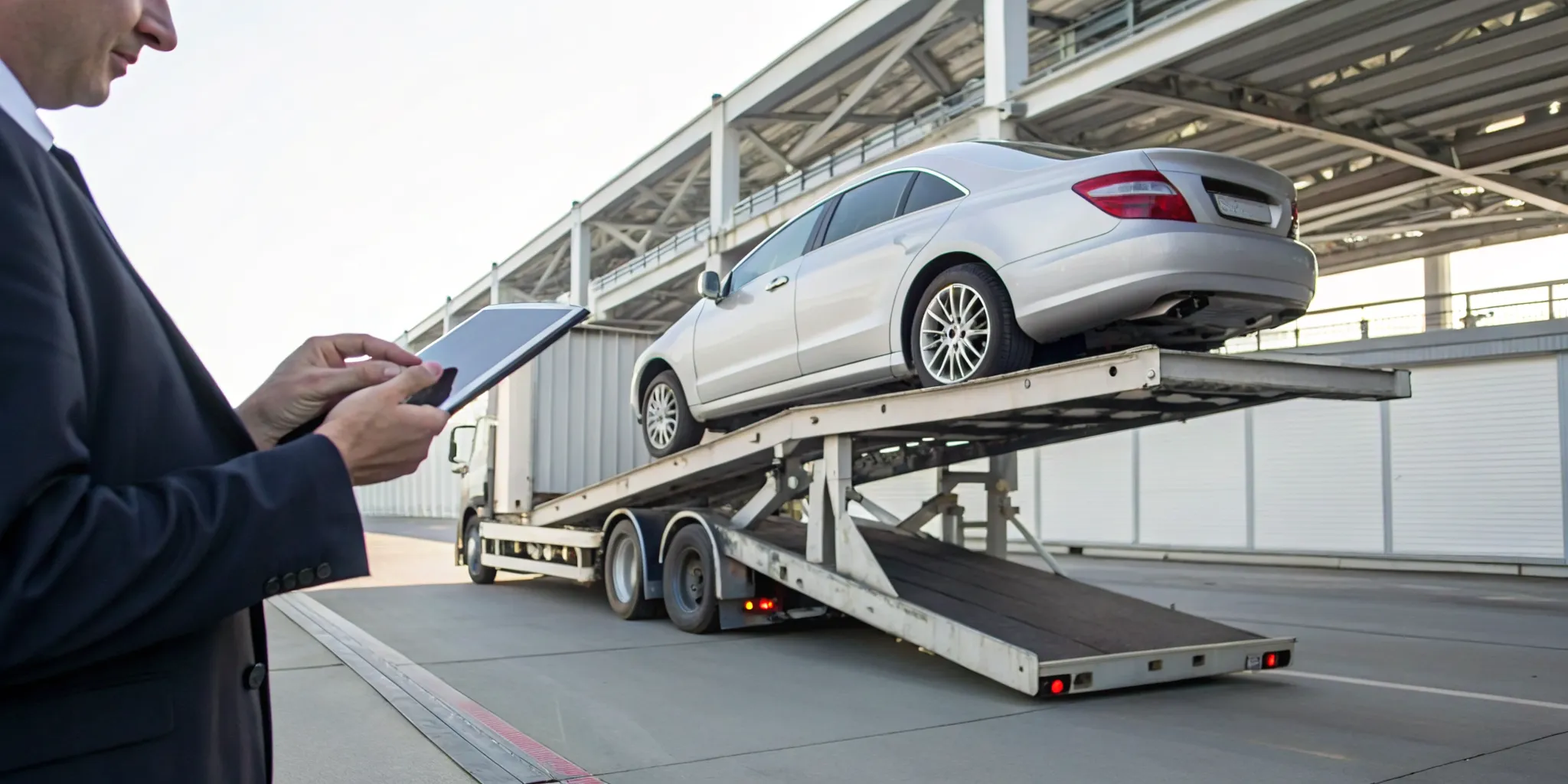
Learn how to ship car to another state with clear steps, cost tips, and expert advice for a smooth, stress-free vehicle transport experience.
You found the perfect car online. It has the right color, the exact features you want, and a great price. The only problem? It’s hundreds of miles away. This is a common scenario, but it doesn't have to be a dealbreaker. You have options beyond a long, expensive road trip. The decision to ship car to another state opens up a new set of questions about cost, logistics, and trust. This guide will walk you through the entire process, from getting quotes to inspecting your car on delivery day. We’ll cover everything you need to know to do it yourself, and explore a simpler path for getting your dream car delivered right to your door.
Key Takeaways
- Look beyond the initial quote: The price you first see is rarely the final cost. Factors like distance, vehicle size, season, and transport type all affect the price, so be wary of lowball offers that often result in delays and hidden fees.
- Document everything before and after: Your best protection is proof. Take detailed photos of your car before it's picked up, and perform a thorough inspection upon delivery, noting any new damage on the official paperwork before you sign.
- Choose your partner wisely: Vet any shipping company by checking their license, insurance, and customer reviews to avoid common pitfalls. For a completely streamlined experience, consider a full-service auto brokerage that handles the entire car buying and delivery process for you.
How Does Shipping a Car to Another State Work?
Shipping your car to another state might sound like a huge undertaking, but it's more straightforward than you think. Whether you're moving across the country or buying a car from a distant seller, the process follows a few key steps. It's all about finding the right service, preparing your vehicle, and knowing what to expect on delivery day. Let's break down exactly how it works so you can decide if it's the right move for you.
The Step-by-Step Car Shipping Process
First, you'll need to choose between an open or enclosed trailer. Open trailers are the most common and affordable option, but your car will be exposed to the elements. Enclosed trailers offer more protection for a higher price. Once you've decided, you'll need to find a reputable shipping company by checking reviews and confirming they have proper insurance. After booking your shipment, it's time to prep your car. Clean it out, remove all personal items, and take plenty of photos to document its condition. When the car arrives at its destination, do a thorough inspection to check for any new dings or scratches before you sign off on the delivery.
Is Car Shipping Right for You?
Deciding whether to ship your car often comes down to time and money. Driving a long distance yourself means paying for gas, food, and hotels, not to mention adding extra miles and wear to your vehicle. Shipping your car can often be the more economical choice. The average cost to ship a car is around $650, though this price changes based on distance, vehicle size, and the time of year. If you have some flexibility with your pickup and delivery dates, you can often find a better rate. It's a great option if you value convenience and want to save yourself the headache of a cross-country drive.
What's the Real Cost to Ship a Car?
Figuring out the cost is often the first step when you’re thinking about shipping a car. While it would be nice to have one simple answer, the truth is that pricing depends on several factors. The final number on your invoice can vary based on how far your car is going, the type of transport you choose, and even the time of year. To give you a clear picture of what to expect, let's break down the typical costs, how pricing is calculated, and a common pitfall to watch out for with initial quotes.
Typical Cost Ranges
On average, you can expect car shipping costs to be around $650, but this number can swing quite a bit. The main variables are distance and the type of trailer used. For a standard open carrier, which is the most common and affordable option, you might see prices from $630 for a trip under 500 miles to about $1,350 for a cross-country journey over 2,500 miles. If you need the extra protection of an enclosed carrier, the price will be higher. For those same distances, an enclosed transport could range from $930 to $1,830.
How Cost Per Mile Works
It might seem a little backward, but the longer the trip, the less you usually pay per mile. Think of it like buying in bulk; the overall price is higher, but the unit cost is lower. A short trip of a few hundred miles might have a higher per-mile rate because the driver has fixed costs to cover for each job. For a long-haul trip across several states, the carrier can be more efficient, and that savings is often reflected in a lower price per mile. So, while a cross-country shipment has a bigger price tag, you’re often getting a better deal for every mile your car travels.
Why Your First Quote Isn't the Final Price
Here’s something every person shipping a car should know: the first quote you get is not always the final price. Some brokers attract customers with a very low initial quote, knowing that it’s not enough to actually secure a driver. The problem is that reputable carriers won't accept a job that doesn't pay them fairly. When no driver picks up the order, the broker has to raise the price, leaving you with delays and an unexpected bill. For example, one person was quoted $750 but ended up paying $1,300 because no carrier would take the job at the lower rate.
What Factors Influence Your Shipping Cost?
When you get a car shipping quote, it’s helpful to know that the initial number is an estimate. The final price depends on several moving parts, and understanding them can save you from unexpected costs down the road. Think of it like booking a flight; the price can change based on when you book, where you're going, and what you're bringing. The same logic applies to shipping your car. From the size of your vehicle to the time of year, each detail plays a role in determining your total cost. Let's break down the key factors so you can get a clear picture of what you'll actually pay.
Distance and Route
It’s no surprise that the farther your car needs to travel, the more it will cost. Longer distances mean more fuel, more hours for the driver, and more general wear on the transport truck. A cross-country trip from Miami to Seattle will naturally be more expensive than a regional move from Atlanta to Nashville. However, it’s not just about the miles. The specific route matters, too. A journey between two major cities along a popular interstate is often more affordable than a route that requires the driver to go far off the main highway. More direct, high-traffic routes mean more efficiency for the shipping company, which can translate to better pricing for you.
Your Vehicle's Size and Type
The type of car you're shipping has a big impact on the price. Simply put, bigger or heavier cars take up more space and weight capacity on a carrier, so they cost more to transport. Shipping a large SUV or a heavy-duty truck will be more expensive than shipping a compact sedan. Beyond size, the type of vehicle also matters. If you have a luxury, exotic, or classic car, you might opt for enclosed transport for extra protection. This service costs more than standard open transport but provides peace of mind. Always provide the exact make and model of your vehicle to get the most accurate quote from the start.
Pickup and Delivery Locations
Where your car's journey begins and ends is another key piece of the pricing puzzle. Shipping to or from major metropolitan areas is usually cheaper than rural locations. Why? Because carriers have more drivers and established routes running between big cities. If your pickup or delivery address is in a remote or hard-to-reach area, the driver has to go out of their way, which adds time and fuel costs to the trip. If you have some flexibility, meeting a driver in a larger nearby city could be a simple way to lower your shipping cost.
Time of Year and Seasonal Demand
Just like with travel, car shipping has peak and off-peak seasons. The summer months, from May to September, are the busiest time for movers and vehicle transporters, and this high demand drives prices up. Conversely, you might find lower rates during the fall and early spring. Winter can be a mixed bag. While demand might be lower, shipping to or through northern states can become more expensive due to hazardous road conditions like snow and ice, which can cause delays and require more experienced drivers. If your timeline is flexible, booking your shipment during an off-peak season can lead to significant savings.
Your Car's Condition
Is your car running perfectly, or is it a project car that doesn't start? Be sure to tell the shipping company, because it makes a difference. If your car doesn't run, it can’t be driven onto the transport truck. Instead, it will need to be moved with special equipment like a winch, which requires extra work for the driver. This additional labor and equipment will add a fee to your total bill, typically around $100 or more. Being upfront about your car’s operational status ensures the carrier sends the right truck for the job and helps you avoid surprise charges on delivery day.
Open vs. Enclosed Transport: Which Should You Choose?
One of the biggest decisions you'll make when shipping your car is choosing between open and enclosed transport. This choice directly affects both your final cost and the level of protection your vehicle receives during its journey. There isn't a single "right" answer; the best option depends on your car, your budget, and your peace of mind. Let's break down what each one means for you and your car so you can make a confident decision.
The Pros and Cons of Open Transport
Open transport is the most common and affordable way to ship a vehicle. Your car will be loaded onto a large, open-air carrier, similar to the ones you see delivering new cars to dealerships. The primary advantage here is cost. Because carriers can fit more vehicles on one truck, the price per car is significantly lower. However, the trade-off is exposure. Your car will be open to the elements, meaning it can face rain, sun, and road debris during transit. While damage is rare, it's a risk to consider, especially for long-distance moves.
The Pros and Cons of Enclosed Transport
If you want maximum protection for your vehicle, enclosed transport is the way to go. With this method, your car is shipped inside a fully covered trailer, shielding it completely from weather and road hazards. This is the preferred option for luxury, classic, or high-value vehicles that you want to keep in pristine condition. The main drawback is the price; enclosed shipping is a premium service and costs more than open transport. You're paying for that extra layer of security and the peace of mind that comes with it when shipping a car to another state.
Terminal-to-Terminal vs. Door-to-Door Service
Beyond the type of trailer, you'll also choose your pickup and delivery method. Door-to-door service offers the most convenience. The carrier will pick up your car from your home and deliver it directly to your new address. This is the simplest, most hands-off approach. The alternative is terminal-to-terminal service, where you drop your car off at a designated shipping hub and pick it up from another one near your destination. This can sometimes save you money, but it requires more coordination and effort on your part. A white-glove auto brokerage service will almost always handle the logistics of door-to-door delivery for you.
How to Choose a Car Shipping Company You Can Trust
Handing over your car keys to a stranger is a big deal, so finding a shipping company you can trust is non-negotiable. The auto transport industry has its share of great providers and, unfortunately, some that can make the process a nightmare. The key is knowing how to tell them apart before you book. A little bit of research upfront can save you a lot of headaches, time, and money down the road. Think of it as your due diligence for one of your most valuable assets. By taking a few simple steps to check credentials, see what other customers are saying, and spot the warning signs, you can move forward with confidence. This isn't about becoming an expert in logistics; it's about asking the right questions and knowing what to look for so you can feel certain that your car is in good hands.
Verify Licensing and Insurance
First things first, any legitimate car shipping company must be licensed and insured. This is the baseline for a trustworthy operation. The U.S. Department of Transportation requires carriers to have a Motor Carrier (MC) number and be registered with the Federal Motor Carrier Safety Administration (FMCSA). You can and should verify a company’s credentials using the FMCSA’s online database. Also, ask for a copy of their insurance certificate. This document should clearly outline their liability coverage, so you know exactly how your vehicle is protected during transit. If a company is hesitant to provide this information or tries to rush you past this step, consider it a major red flag and move on.
Read Reviews and Check Ratings
Customer reviews are your best friend when vetting a shipping company. They offer a real-world look into what it’s like to work with them. Look for patterns in what people are saying across different platforms, like the Better Business Bureau and Google. Are customers consistently praising the company's communication and on-time delivery? Or are there repeated complaints about surprise fees, delays, and damaged vehicles? Keep in mind that a few negative reviews are normal for any business. What really matters is how the company responds. A reputable shipper will address complaints professionally and try to make things right. A long history of positive feedback is a strong indicator that you’re dealing with a trustworthy provider.
Spot the Red Flags
If a price quote seems too good to be true, it probably is. One of the biggest red flags in car shipping is an extremely low price offered by a broker to secure your business. The problem is that the actual carriers who move the cars may not accept such a low rate, leaving your vehicle sitting for weeks without a ride. This can cause significant delays, especially if you're on a tight schedule. A trustworthy company will give you a realistic quote that reflects current market rates. This ensures a carrier will actually accept the job and pick up your vehicle in a timely manner, making the whole process smoother.
Ask These Questions Before You Book
Before you commit, make sure you get clear answers to a few key questions. This is your chance to understand the process and confirm you're working with a professional. Start by asking how they determine their prices and what, exactly, is included in the quote. Inquire about their process for finding a carrier and the typical timeline for pickup and delivery. You should also ask about the specifics of their insurance coverage and what you need to do if your car is damaged during transport. A good company will be transparent and happy to walk you through every step, ensuring you feel comfortable with the entire process.
Get Your Car Ready for Shipping
Once you've chosen a shipping company, your work isn't quite done. Taking a few simple steps to prepare your vehicle for its journey is one of the most important parts of the process. Think of it as packing a suitcase for your car. Proper prep helps prevent delays, protects you from potential damage disputes, and ensures the transport goes as smoothly as possible for you and the driver. It’s a small investment of time that pays off big in peace of mind.
Clean Your Car and Document Its Condition
Before your car is picked up, give it a good wash, inside and out. A clean car makes the next step much easier: the pre-shipment inspection. This is your chance to document the vehicle's exact condition. Walk around your car and take clear, well-lit photos and videos of every angle. Pay close attention to any existing scratches, dings, or dents. This documentation is your proof of the car's condition before it left your hands. Should you notice any new damage upon arrival, this visual record will be essential for filing a successful insurance claim.
Remove All Personal Belongings
It can be tempting to use your car as a moving box, but you must remove all personal items before shipping. Car carriers are not licensed to transport household goods, and their insurance does not cover personal belongings. According to the Federal Motor Carrier Safety Administration, items left in the car are at risk of being lost or damaged without any recourse. This also includes any aftermarket electronics like custom stereos or GPS units that aren't bolted down. Emptying your car keeps your belongings safe and avoids any potential issues with the shipping company.
Complete a Pre-Shipment Mechanical Check
A quick mechanical checkup ensures your car is ready for transport. First, make sure your car's battery is secure and has a good charge. Check and top off all fluids, but don't overfill them. Your tires should be properly inflated to the recommended pressure. Finally, your gas tank should be no more than one-quarter full. A full tank adds unnecessary weight and is a safety hazard. These simple pre-shipment checks ensure your vehicle can be easily driven on and off the transport truck without any problems.
What to Do on Delivery Day
The day your car arrives is exciting, but it’s also the most critical moment of the shipping process. Before you grab the keys and take your first drive, you have one final job: a thorough inspection. This is your only opportunity to document any issues that may have happened during transit. While a white-glove service like Automated Brokers handles these logistics to ensure a seamless experience, if you're managing the shipping yourself, this final check is essential. Being prepared and knowing what to look for will help you protect your investment and ensure everything is exactly as it should be.
Don't feel rushed by the delivery driver, who might be on a tight schedule. This is your vehicle and your money on the line. Take all the time you need to complete these final, important steps. This small amount of diligence on delivery day can save you from major headaches later on, ensuring your new car experience starts off on the right foot. Think of it as the final checkpoint in a long journey. You've already done the hard work of finding a shipper and preparing your car. This last step ensures all that effort pays off and you can drive away with complete peace of mind.
Inspect Your Car Immediately Upon Arrival
As soon as your car rolls off the truck, it’s time to get to work. Use the photos you took before shipping as your guide and walk around the entire vehicle. Check every panel, the roof, and the bumpers for any new scratches, dings, or dents. It’s a good idea to follow a complete guide to shipping a car to make sure you don't miss anything. Look closely at the interior for any new scuffs or tears. The most important rule is to inspect your car carefully for any new damage before you sign the final paperwork or pay the driver. Once you sign off, it becomes much harder to prove the damage occurred during transport.
Found Damage? Here’s What to Do Next
Discovering new damage is frustrating, but try to stay calm and follow a clear process. First, document everything. Take clear, detailed photos of the new damage from several angles. This is why having "before" pictures is so important for comparison. Next, and this is crucial, you must note every single new scratch or dent on the Bill of Lading (BOL) before you sign it. The BOL is the official delivery receipt. If the damage isn't noted on this document, the transport company will likely deny your claim. Make sure the driver acknowledges the notes and signs the document as well. Then, contact the shipping company immediately to begin the claims process.
Avoid These Common (and Costly) Car Shipping Mistakes
Shipping your car should be a straightforward process, but a few common missteps can easily turn it into a headache. Knowing what to watch out for ahead of time can save you from unexpected delays, surprise fees, and a lot of stress. After years of coordinating vehicle deliveries, I’ve seen it all. To help you get it right, here are the biggest mistakes people make when shipping a car and, more importantly, how you can avoid them.
Don't Fall for a Lowball Quote
If a shipping quote seems too good to be true, it probably is. Some brokers will offer an incredibly low price just to get your business, but there’s a catch. The actual carriers who move the cars may not accept such a low rate, which means your vehicle could sit for weeks waiting for a driver willing to take the job. You might end up having to pay more anyway to get your car moving. It’s better to get a realistic quote from the start than to face unexpected shipping delays and last-minute price hikes.
Avoid Booking at the Last Minute
While you can sometimes find last-minute deals on flights, the opposite is true for car shipping. Scheduling your transport well in advance gives the shipping company more time to plan its route efficiently, which often translates to a better price for you. Waiting until the last minute limits your options to carriers with available space, and that scarcity can drive the cost up significantly. I recommend booking your shipment at least two to three weeks ahead of time, especially if you’re shipping during a busy season like summer or around the holidays.
Never Skip the Pre-Ship Inspection
Before the carrier loads your car onto the truck, you need to do a thorough inspection. This is your chance to document the vehicle's exact condition. Walk around the car and take detailed photos and videos of both the interior and exterior. Note any existing scratches, dings, or scuffs on the Bill of Lading (the inspection report the driver provides). This simple step is your most important piece of evidence if you need to file a damage claim later. When your car arrives, perform the same inspection before signing off on the delivery.
Always Confirm Insurance Coverage
Reputable shipping companies are required to carry insurance, but the level of coverage can vary. Before you book, ask for proof of insurance and understand exactly what it covers. Is there a deductible? What’s the total coverage amount? It’s important to know that your personal auto insurance policy typically does not cover your vehicle while it's in transit with a commercial carrier. For high-value vehicles or extra peace of mind, you can often purchase supplemental insurance to ensure your car is fully protected against any potential damage.
Be Careful Where You Share Your Contact Info
Many car shipping websites are lead generation platforms, not actual carriers. When you enter your phone number and email to get a quote, your information is often sold to dozens of different brokers. This can result in an overwhelming flood of calls, texts, and emails, making it difficult to sort through your options and choose a trustworthy partner. To avoid the hassle, work directly with a reputable carrier or a trusted brokerage service that respects your privacy and manages the process for you without broadcasting your personal details.
Is Shipping a Car Worth It? Or Is There a Simpler Way?
Deciding whether to ship a car you’ve found online or use a service that handles everything can feel like a big choice. Both paths can get you the car you want, but the journey looks very different. One involves you managing the logistics of finding a car and then arranging its transport, while the other offers a more hands-off, all-in-one solution. Let's break down which approach might be the right fit for you.
When Shipping Your Car Makes Sense
If you're moving across the country or have already purchased a specific vehicle from a private seller or a dealership far from home, arranging your own shipping is a logical next step. Opting to ship your car saves you from long, tiring drives and prevents adding extra miles and wear and tear to your vehicle. When you factor in the price of gas, food, and potential lodging for a multi-day road trip, you might find that shipping is the more economical choice.
Just remember that planning is key. The car shipping cost can increase significantly if you need it moved quickly or on a specific date, so booking in advance is always a good idea. For many, the convenience of having their car arrive at their new home without the stress of a cross-country trek is well worth the price.
When a Car Buying Service Is the Better Choice
If you’re still in the market for a vehicle, a full-service car buying service presents a much simpler path. While many dealerships can ship cars to out-of-state buyers, the process isn't always straightforward. Some offer free shipping, others charge a hefty fee, and their terms can be restrictive. If you’re not careful, you could end up needing to find your own shipping company anyway, adding another layer of complexity to your purchase.
This is where a white-glove auto brokerage shines. Instead of juggling a seller and a separate shipping company, a concierge service handles the entire process for you. At Automated Brokers, we find the new or pre-owned car you want, secure competitive pricing, and manage all the details, including delivering the vehicle directly to your door. It’s a streamlined solution that lets you skip the dealership and the logistical headaches, making the entire experience as simple as possible.
Frequently Asked Questions
My first quote seems really low. Is it a good deal? A surprisingly low quote is often a red flag, not a great deal. Some brokers use a lowball price to secure your booking, knowing that the price isn't high enough for an actual carrier to accept the job. When no driver picks up your order, the broker will have to raise the price, leaving you with delays and an unexpected bill. A realistic quote that reflects current market rates is a much better sign that you're working with a trustworthy company.
How far in advance should I book my car shipment, and how long does it take? For the best results, I recommend booking your car shipment at least two to three weeks before you need it picked up. Scheduling in advance gives you more carrier options and generally leads to better pricing. Last-minute bookings are almost always more expensive. The actual transit time will depend on the distance, but planning ahead is the most important step for a smooth and timely delivery.
Can I pack my personal items in the car to save on moving costs? No, you should never pack personal belongings in a car you are shipping. Auto transport carriers are not licensed or insured to move household goods. If you leave items in your car, they will not be covered by the carrier's insurance if they are lost, stolen, or damaged. It's best to completely empty your vehicle before the driver arrives to keep your belongings safe.
What happens if my car is damaged during shipping? If you discover new damage when your car arrives, the first step is to document it thoroughly with photos. Then, you must note every new scratch or dent on the final inspection report, called the Bill of Lading, before you sign it. This is the most critical step. Once the damage is noted and acknowledged by the driver, you should contact the shipping company right away to begin their claims process.
What's the difference between arranging shipping myself and using a service like Automated Brokers? Arranging your own shipping is the right move when you already own the car and simply need to get it from one place to another. You are responsible for finding a carrier and managing the process. A full-service car buying service like ours is a simpler, all-in-one solution for when you are still looking for a vehicle. We handle everything: finding the car you want, negotiating the price, and arranging for it to be delivered directly to you, so you don't have to juggle a seller and a separate shipping company.