Subaru BRZ for Sale: Price, Features, and Fit
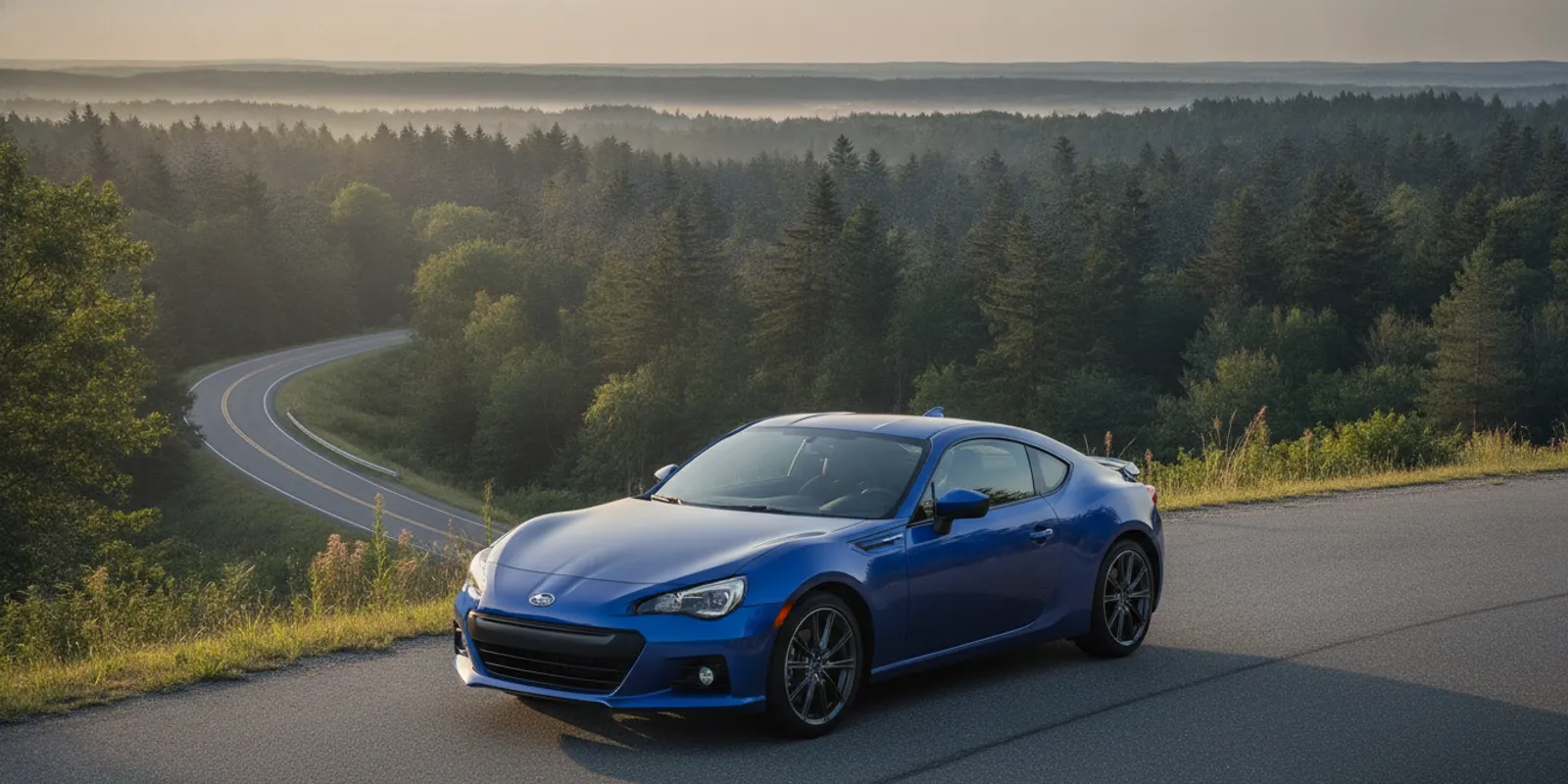
Shopping for a Subaru BRZ for sale? Compare the 2013 and 2022 generations, then send a request and let Greg search the dealer side for you.
Looking for a Subaru BRZ for sale? The right one depends on more than paint color or the lowest advertised price. Model year, trim, transmission, condition, equipment, and the way you plan to drive all affect whether a particular BRZ makes sense. A focused comparison helps you request the right car instead of sorting through listings that do not match your priorities.
The BRZ is a compact, rear-wheel-drive sports coupe built around driver involvement rather than maximum passenger room or cargo capacity. It can be a rewarding everyday car for someone who values responsive handling and a relatively direct driving experience. It is not the natural choice for every household: a low coupe, a small rear seat, and limited cargo flexibility are meaningful trade-offs. This guide shows you how to decide whether the format fits, compare the details that matter, assess a specific listing, and make a useful vehicle request.
What a Subaru BRZ for sale is best suited to
Start with the car's role in your life. The BRZ is most likely to suit a driver who wants a compact coupe for commuting, weekend drives, or both, and who is comfortable giving up some convenience to get a more engaging drive. The low seating position, two-door layout, and rear-wheel-drive character are central to its appeal. They also shape the compromises you should consider before shopping.
Think about a normal week, not only the drive you imagine taking on a clear Saturday. Will you carry adults in the back? Do you load bulky equipment, a stroller, or a large number of bags? Is your parking space steep or narrow? Do you frequently drive in snow, on rough roads, or over high speed bumps? These questions do not automatically rule out a BRZ. They tell you which details to test and where you may need to compromise.
- Driver-focused use: The coupe may be a strong fit if the driver experience matters more than a roomy rear cabin.
- Occasional rear passengers: The rear seats provide flexibility for short trips or extra storage, but should not be treated as a substitute for a roomy four-door cabin.
- Daily commuting: Consider seat comfort, visibility, traffic conditions, ride quality, and whether you will enjoy the car on ordinary trips as well as open roads.
- Year-round use: Evaluate the roads and weather where you drive, your tire plan, and whether the car's ground clearance and drive layout suit your routine.
- Frequent cargo hauling: Measure your usual items and compare them with the coupe's actual cargo opening and space. Do not assume a specification number tells the whole story.
There is no single correct buyer profile. Some shoppers want a weekend car; others need one vehicle to cover nearly every trip. Be candid about which description fits you. If the BRZ is your only car, the comfort and practical checks deserve as much attention as acceleration and handling. If it is a second car, you may be willing to accept compromises that would be difficult in a one-car household.
Set your priorities before comparing listings
Search results can make every vehicle look comparable when they share a model name. The same BRZ badge can describe different years, equipment, transmissions, mileage, condition, and ownership histories. Write a short list of what you need before you browse. Separate requirements from preferences, and rank the preferences.
A useful starting point is to write down your desired model-year range, transmission, acceptable exterior and interior colors, must-have equipment, maximum mileage, and your all-in spending limit. Add any non-negotiables tied to daily use, such as a particular driver-assistance feature, a specific kind of audio connection, or room for a regular passenger. Confirm the equipment in the individual listing rather than assuming that a feature is included because it appears in a review of another trim or year.
Choose requirements, preferences, and deal-breakers
A requirement is something the car must have to work for you. A preference is something you would like, but could trade away for a better match elsewhere. A deal-breaker is a condition that makes you stop considering a car, such as unclear title information or a serious mechanical concern. This simple separation keeps a search from becoming a collection of loosely related listings.
For example, a shopper may require a manual transmission, accept either of two model years, prefer a particular color, and reject a car with undocumented collision repairs. Another shopper may require an automatic transmission and a clean service history, but be flexible about wheels and paint. Neither list is universally better. The point is to define your own trade-offs before the market pressures you to make them quickly.
Set a firm ceiling for the full purchase, not just the asking price. Registration, taxes, delivery or travel, inspection, insurance, and immediate maintenance can affect what the car really costs to put into use. Those amounts depend on the vehicle and your situation, so estimate them rather than relying on a general number. A car with a slightly higher asking price may be the more sensible choice if its condition and history reduce near-term uncertainty; a low price does not prove value by itself.
Compare model years without assuming every change matters
The split that changes a Subaru BRZ for sale is the generation, not a one-year gap. Subaru of America introduced the rear-wheel-drive BRZ as a 2013 model on July 31, 2012, with a naturally aspirated 200-horsepower 2.0-liter BOXER engine and a choice of 6-speed transmissions. On May 26, 2016, Subaru updated the 2017 BRZ. Manual models rose to 205 horsepower and 156 lb-ft of torque, and the final-drive ratio changed from 4.1 to 4.3:1. The mode formerly called Sport was renamed Track. Standard LED headlights and taillights arrived in that same update. Those are first-generation changes. They are not the later redesign.
Subaru announced the all-new, second-generation 2022 BRZ on November 18, 2020, and priced it on July 22, 2021. That July 22 release says the car uses a new naturally aspirated 2.4-liter BOXER engine rated at 228 horsepower, with a six-speed manual or a six-speed automatic. The 2022 trims were Premium and Limited, and EyeSight driver-assist technology became available. The November 18 debut also says torsional stiffness increased by 50 percent, and the coupe is just over an inch longer and almost half an inch lower than its predecessor. The official EPA page for the 2022 BRZ rates the 2.4-liter manual at 20 city, 27 highway, and 22 combined. The automatic is rated 21 city, 30 highway, and 25 combined. Both use premium gasoline.
The 2024 BRZ tS is the next named package. Subaru debuted it on July 24, 2023, with STI-tuned Hitachi dampers, a Brembo brake system, and 18-inch wheels on Michelin Pilot Sport 4 tires. The same release says EyeSight is standard on every 2024 BRZ with a manual transmission, the first time Subaru offered that system on a manual. Ask for a 2024 tS only if you want that package. A 2022 Premium or Limited already has the 2.4-liter engine.
| What to compare | First generation (2013-2020) | Second generation (2022 redesign) |
|---|---|---|
| Engine Subaru stated | 2.0-liter BOXER, 200 horsepower at introduction. Manual models reached 205 horsepower for 2017. | 2.4-liter BOXER, 228 horsepower. |
| Transmissions | Choice of 6-speed transmissions. | Six-speed manual or six-speed automatic. The 2022 automatic adds a Sport mode. |
| Trims to name | Confirm the exact trim. The 2017 update added a Performance Package. | 2022 Premium and Limited. The 2024 tS adds the tuned suspension and Brembo brakes. |
| Driver assistance | Do not assume EyeSight. Check the exact car. | EyeSight available for 2022, and standard on 2024 manual models. |
| Fuel economy | Use the EPA row for that year and transmission. | 2022 manual is 20/27/22. 2022 automatic is 21/30/25. Both use premium gasoline. |
Match the VIN and trim to the window sticker before you compare two cars. If they sit inside the same generation, condition and records matter more than the newer badge.
Separate trim and equipment from the model name
Trim names can suggest a clear ranking, but a badge alone cannot tell you everything about a particular car. Equipment may vary by year, options, packages, and market. A seller may also use an imprecise trim label. Ask for the full configuration and verify the actual equipment before deciding that one BRZ is better equipped than another.
Make a feature list based on your own priorities. You might care about seat material, seat heating, wheel and tire setup, audio and phone connectivity, visibility aids, driver-assistance equipment, or a particular interior detail. Confirm each item for the exact vehicle. If a feature is important, ask for a clear photo or written confirmation, then cross-check it against the VIN or the manufacturer's information for that year. Avoid relying on a generic page that describes a different trim or model year.
For a used car, inspect the condition of the equipment as well as whether it is present. Check that screens respond, controls work, seats adjust as expected, and warning indicators are not illuminated. Review wheels for damage and tires for even wear, adequate tread, and a matching set appropriate to the vehicle. Replacing a worn set can change the ownership cost, and tires influence how the car feels and performs.
Be cautious about aftermarket changes. They are not automatically a reason to reject a car, but you should understand what was changed, who completed the work, and whether records or original parts are available. Ask whether the changes affect warranty coverage, emissions compliance, insurance, or inspection requirements in your area. Get answers specific to the car and jurisdiction rather than relying on a general statement from a seller.
Choose a transmission that works for your driving
Transmission is one of the most personal choices in a BRZ search. A manual can appeal to a driver who wants more direct control and enjoys shifting. An automatic may better suit someone who spends time in stop-and-go traffic, shares the vehicle with drivers who prefer it, or simply wants the car's other qualities without operating a clutch. Your best choice is the one you will enjoy and use comfortably.
If you are considering a manual, take time to assess the clutch engagement, pedal feel, and shift operation during a proper test drive. A shopper who is new to manual driving should test the car in a calm setting and be honest about whether the learning curve is a good fit. Ask about clutch service and any driveline work, and have a qualified technician evaluate concerns rather than diagnosing them from a short drive.
For an automatic, check that the vehicle behaves consistently under the conditions you can safely test. Note any hesitation, unusual noises, warning lights, or rough operation, and ask a technician to investigate anything concerning. Do not infer condition from the transmission type. Maintenance, use, and the individual car's history matter.
If you are undecided, compare the likely use rather than debating a stereotype. Consider your commute, traffic, roads, who else will drive the car, and how long you expect to keep it. Arrange a test drive in the configuration you are considering. A reviewer's preference cannot tell you how a particular transmission will feel to you during your own regular drive.
Assess condition, maintenance, and inspection findings
Condition can be more important than a small difference in year or mileage. A well-documented car that has been maintained appropriately may be a better prospect than a newer example with gaps in its history. At the same time, records do not guarantee that every component is in good condition. Use the paperwork, visual checks, test drive, and an independent inspection together.
Ask for service documentation and check whether the dates and mileage make sense as a sequence. Look for evidence of routine maintenance and any major repairs. Ask what work is currently due and whether the seller has receipts. If the records are incomplete, do not automatically assume neglect, but recognize that you have less evidence and may need a more thorough inspection.
A qualified independent technician can inspect the vehicle for signs of collision repair, leaks, suspension or brake concerns, tire condition, warning codes, and other items relevant to its age and mileage. Ask for a written report and clarification of what is urgent, what is a maintenance item, and what needs further diagnosis. No inspection can promise that a used vehicle will never need repairs. Its value is in helping you understand the condition and make an informed choice before purchase.
Pay attention to wear patterns. Uneven tire wear may merit an alignment or suspension check. Worn pedal surfaces or seat bolsters can prompt questions about use and mileage. Mismatched paint or panel gaps can justify a closer look at past repairs. None of these observations alone proves a problem. Ask the inspector to explain what they see and whether it changes the car's safety, expected cost, or suitability for your plans.
Budget for maintenance after purchase even if the vehicle passes inspection. A used car can need tires, brakes, fluids, or other service on a schedule that depends on its condition and history. Ask the technician to distinguish immediate work from items to monitor. Use that information in your cost comparison and, if appropriate, in any discussion with the seller. Do not build a budget around the assumption that a used sports coupe will require no attention.
Compare asking price with the full cost of ownership
There is no single BRZ price that applies to every year, trim, mileage, condition, location, and seller. Advertised prices change over time, and a low asking price may reflect condition, history, equipment, or circumstances that require more investigation. A higher price is not automatically justified by a desirable color or a short description. Compare similar vehicles and verify what each price includes.
Build an all-in estimate with the same categories for every candidate. Include the agreed vehicle price, applicable taxes and registration, dealer or documentation fees, delivery or travel, an inspection, insurance, and known immediate maintenance. Ask for an itemized out-the-door figure before making a decision. The precise total depends on your location and transaction, so confirm local charges and requirements rather than assuming a fee from another state applies to you.
Insurance is worth checking early, particularly if you are moving from a different vehicle or have not owned a sports coupe before. Request quotes for the exact year and trim you are considering, using accurate information about drivers, location, and intended use. The premium can depend on individual circumstances. A quote based on a different year or an approximate vehicle description may not represent your actual cost.
Also account for fuel, tires, routine service, and the possibility of repairs. Those costs vary with how and where the vehicle is driven, the condition of the specific car, and the parts or service you choose. If the car has nonstandard wheels or modifications, ask how those may affect tire replacement and insurance. A total-cost comparison is more useful than comparing monthly payments alone.
If you are financing, compare the full loan terms, not only the monthly figure. Consider the amount financed, annual percentage rate, term, fees, and total payments. A longer term can lower the monthly payment while increasing the time you carry the loan. Obtain current terms from the lender and make sure the vehicle price and any add-ons are clear. Do not let a monthly payment obscure the amount you will pay overall.
How to make a useful vehicle request
A specific request is easier to act on than “find me a BRZ.” Tell Automotive Car Brokers what you want to buy and which trade-offs you can accept. The aim is to communicate the shape of a good match while leaving room for a worthwhile alternative. You can explore the company's Subaru vehicle path and learn more about how the buying process works before you send the details.
Include the model, your acceptable year range, transmission preference, target trim or must-have equipment, color preferences, mileage range, and budget. State whether the budget is for the vehicle price or the all-in cost. Mention where the car needs to be delivered or where you can take possession, and whether you are open to options outside your first choice. If you have a trade-in or financing plans that affect your decision, mention that as well.
Separate firm requirements from flexible preferences. “Manual transmission required, and color flexible” gives a clear direction. “Must have a documented history and no structural damage” describes a screening priority. If you would consider a different trim or model year to stay within budget, say so. If you would not, make that clear too.
Ask for the information you need to decide whether a car is worth pursuing. That may include the VIN, confirmed trim and equipment, current photos, service history, title information, itemized price, seller's location, and inspection options. You can also explain what would make you decline a candidate. A precise request can save time by reducing recommendations that look similar in a search result but do not match how you will use the car.
Automotive Car Brokers can help with the dealer-side search for buyers who want to compare options without visiting multiple dealerships themselves. The specific candidates and next steps depend on your request and the vehicles available. Review each candidate on its own merits, confirm the details, and decide whether to arrange an inspection or proceed. Sourcing help is a way to organize the search; it is still important to verify the vehicle and transaction before purchase.
A step-by-step path from search to decision
- Define your use. Decide whether the BRZ will be a daily driver, weekend car, or both. List your needs for passengers, cargo, weather, and commute.
- Set your filters. Choose a realistic year range, transmission, mileage range, equipment requirements, and all-in budget. Mark each item as required or preferred.
- Request and compare candidates. Use consistent criteria and confirm the model year, trim, VIN, equipment, mileage, seller, and asking price for each car.
- Screen the listing. Review history and service records, ask about ownership and modifications, and resolve discrepancies before arranging a visit or inspection.
- Assess the car. Test the seating, visibility, driving position, and cargo fit. Arrange an independent inspection and evaluate its written findings.
- Calculate the full cost. Add the price, applicable charges, travel or delivery, insurance, inspection, and known immediate service. Confirm financing terms separately if applicable.
- Review the transaction. Verify title and paperwork, get agreed terms in writing, and understand payment and delivery before you commit.
At each step, be willing to stop. A search can take longer when you have a specific transmission or equipment requirement, and the best listing may not be the first one you see. Walking away from a car with unanswered questions is often more sensible than rationalizing a mismatch because you have already spent time comparing it.
When a different car may be the better fit
The BRZ's appeal is specific, and that is part of what makes it interesting. But a buyer who needs frequent rear-seat space, easy access for several passengers, generous cargo room, or a higher seating position may be happier comparing a different body style. If your daily route involves rough roads or challenging winter conditions, think carefully about whether the coupe's layout and your tire plan match your needs.
You do not have to abandon the BRZ at the first compromise. Decide which compromises are livable and which will become daily frustrations. If you carry only small bags and rarely use the rear seats, limited space may be acceptable. If you routinely transport adults or bulky equipment, it may not be. If you love the manual but have a long congested commute, take a realistic test drive before deciding. An honest assessment now is better than expecting a car to become practical through enthusiasm alone.
Compare alternatives using the same framework: seating, cargo, driving position, transmission, equipment, condition, and total cost. The objective is not to find a universally superior car. It is to make sure the BRZ's strengths line up with what you value most, and that you have not overlooked a vehicle that better handles your ordinary needs.
Frequently asked questions
Is a Subaru BRZ a practical daily driver?
It can be, if a compact two-door coupe suits your passengers, cargo, commute, and road conditions. Evaluate the driver's seat, visibility, ride comfort, storage, rear-seat usefulness, and seasonal tire needs in the exact car. A test drive on roads like the ones you use each day is more informative than judging practicality from the model name.
Should I choose a manual or automatic BRZ?
Choose based on your comfort and routine. A manual can suit someone who enjoys operating a clutch and shifting; an automatic can be preferable for heavy traffic, shared driving, or a buyer who does not want a manual. Test the configuration you plan to buy and check its condition rather than assuming either transmission is right for everyone.
Is lower mileage always the better choice?
No. Mileage is one part of the comparison, alongside maintenance, storage, use, condition, records, and price. A lower-mileage car with missing history or condition concerns may be less attractive than a higher-mileage car with clear records and a strong inspection. Compare the specific vehicles and investigate unexplained wear or gaps.
What should I check before buying a used BRZ?
Confirm the VIN, year, trim, title status, mileage, equipment, service records, and any disclosed damage or modifications. Inspect tires, brakes, bodywork, interior, controls, warning lights, and driving behavior. When possible, arrange an independent inspection and review the findings before committing. Also confirm the full price and any delivery or registration steps.
Can Automotive Car Brokers help me find a BRZ without visiting multiple dealerships?
Automotive Car Brokers can help with the dealer-side search. Share your year range, transmission, required features, budget, location, and flexible preferences so the request reflects what you actually want. Review the details of any candidate carefully and confirm its condition, price, and paperwork before deciding to purchase.
When you are ready to move from browsing to comparing real options, send a focused request with your requirements and the compromises you can accept. A clear brief gives you a more useful starting point for finding a Subaru BRZ that fits both the drive you want and the way you will use it.