Best SUV Cars for Every Budget and Lifestyle
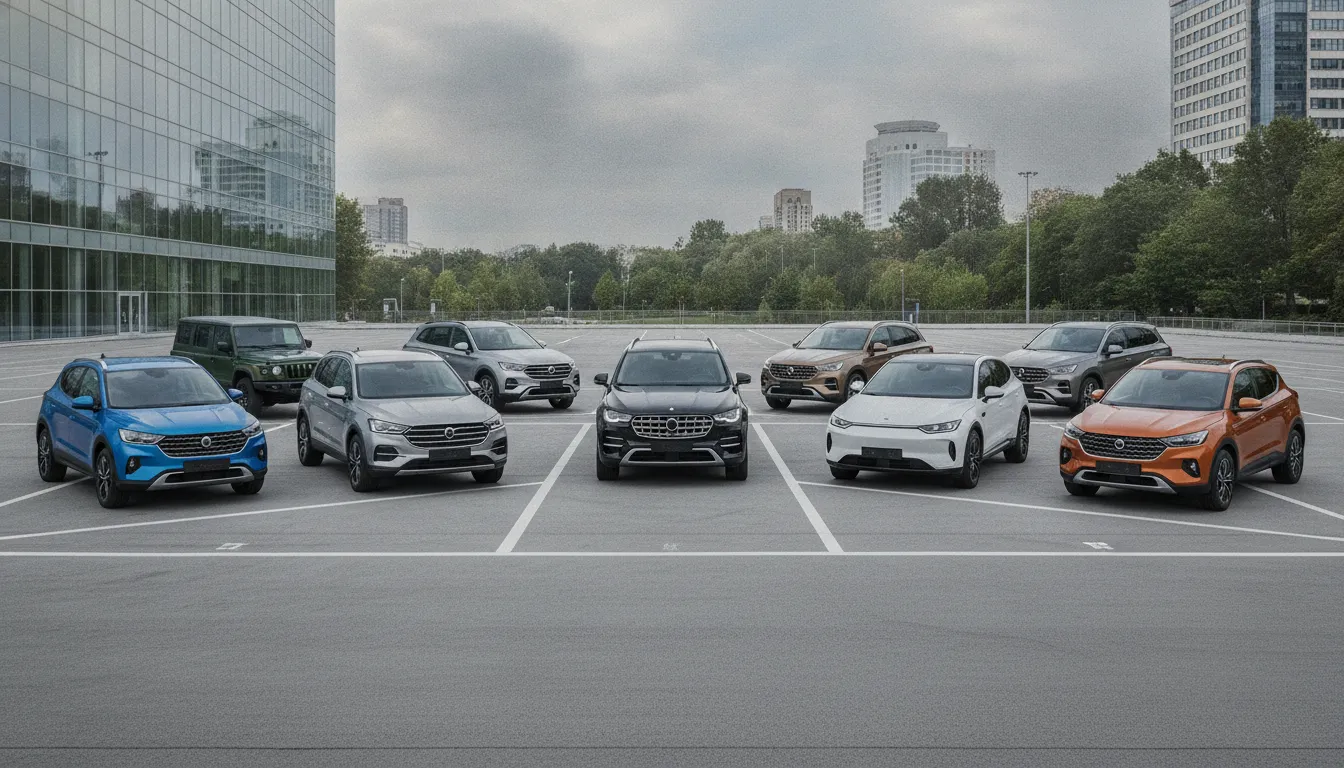
Find the best SUV cars for your budget and lifestyle. Compare top models, features, and tips to choose the right SUV for commuting, family, or adventure.
Shopping for an SUV should not require spending an entire weekend at dealerships. You may already know which features matter, such as a third row, all-wheel drive, strong fuel economy, or enough cargo space for family gear. The challenge is finding the right vehicle at a fair price without sorting through endless listings and sales pitches. SUV cars come in many sizes and configurations, so a thoughtful comparison can help you avoid paying for features you rarely use. Automated Brokers searches available inventory, helps compare pricing and financing, and can arrange Maryland pickup or nationwide delivery directly to your door.
Key Takeaways
- Match the SUV to your routine: Consider passenger space, cargo needs, parking, weather, towing, terrain, and drivetrain before choosing a size or model.
- Calculate the complete cost: Compare the purchase price, financing, fuel or charging, insurance, maintenance, repairs, depreciation, and warranty coverage.
- Verify the vehicle and deal: Review safety ratings, recalls, service records, equipment, VIN details, final pricing, and delivery terms before signing. Automated Brokers can help compare new and pre-owned SUVs from multiple dealerships.
SUV Car Types by Size, Layout, and Capability
SUVs come in several sizes and configurations, and each one suits a different kind of driver. A smaller SUV may be easier to park and less expensive to fuel, while a larger model can provide three rows of seating, generous cargo room, and the strength needed to tow. The right choice depends on how you use your vehicle most often, not simply on how much space you can get.
Start by considering your typical passengers, daily routes, parking situation, and weekend plans. If you mainly commute through busy Maryland streets, a subcompact or compact SUV may offer the right balance of comfort and convenience. If you carry children, sports equipment, or several passengers, a midsize or full-size SUV may be a better fit.
You should also compare the SUV’s construction and drivetrain. Crossovers usually share components with passenger cars, which can make them comfortable and efficient for everyday driving. Body-on-frame SUVs use a truck-style design that can provide greater towing and off-road capability. Your choice between front-wheel drive, all-wheel drive, and four-wheel drive can also affect traction, fuel use, maintenance, and purchase price.
When comparing models, review more than exterior dimensions. Check passenger space, cargo measurements, ground clearance, towing ratings, fuel economy, safety equipment, and available technology. The EPA’s vehicle comparison tool can help you compare fuel economy across different SUV sizes and powertrains. You can also browse SUV inventory and compare available models based on your preferred size, features, and budget.
Subcompact SUV Cars for City Driving and Lower Budgets
Subcompact SUVs suit drivers who want a higher seating position without the size of a larger family vehicle. Models such as the Hyundai Kona, Nissan Kicks, Subaru Crosstrek, Chevrolet Trax, and Hyundai Venue are generally easy to maneuver through city traffic and park in tighter spaces.
Their smaller dimensions can appeal to first-time buyers, commuters, and households working with a tighter vehicle budget. Many include touchscreen infotainment, smartphone connectivity, driver-assistance features, and flexible rear seats. Cargo space is more limited than in a compact or midsize SUV, so check whether the rear area can hold your groceries, stroller, luggage, or work equipment.
A subcompact SUV may be enough if you usually carry one or two passengers. If you regularly transport adults in the back seat or take long trips with substantial luggage, compare it with a larger model before buying. A vehicle search with Automated Brokers can help you compare available SUVs by size and price.
Compact SUV Cars for Fuel Economy and Everyday Cargo
Compact SUVs are among the most versatile options for daily driving. They generally provide more rear-seat room and cargo capacity than subcompact models while remaining manageable on crowded roads. Popular examples include the Toyota RAV4, Hyundai Tucson, Subaru Forester, Honda CR-V, and Nissan Rogue.
This size works well for commuters, couples, and small families who need room for groceries, luggage, child seats, or recreational gear. Many compact SUVs are available with front-wheel drive or all-wheel drive, and several offer hybrid powertrains for drivers who want fewer fuel stops.
Before choosing one, compare the cargo floor, rear-seat legroom, and liftgate opening. A vehicle can appear spacious but still have a narrow cargo area or limited room behind the second row. If you are considering a hybrid, check whether the battery affects cargo space or spare-tire storage. Also compare standard safety features, since equipment can vary between trim levels. The IIHS vehicle ratings are useful for reviewing crash protection and available safety technology.
Midsize SUV Cars for Family Space and Road Trips
Midsize SUVs offer a practical balance between everyday maneuverability and family-friendly space. Two-row models, such as the Honda Passport, can provide generous passenger room and cargo capacity without adding a third row. Three-row options, including the Toyota Grand Highlander, Kia Telluride, and Hyundai Palisade, are better suited to larger households or frequent group travel.
This category can work well for families who need comfortable seating, a larger cargo area, and features that make longer drives easier. Look for rear air vents, USB charging ports, easy-access seating, and a second row that can accommodate child seats. If you plan to use all three rows regularly, test the third-row legroom and the cargo space available behind it.
Midsize SUVs can vary widely in towing capacity and fuel economy. Compare the engine, drivetrain, cooling equipment, and available tow package rather than relying only on the model name. A vehicle with the right equipment may handle your trailer well, while a similar trim without that equipment may not. Automated Brokers can help you compare family SUV options based on seating, features, and financing needs.
Full-Size SUV Cars for Maximum Cargo and Towing
Full-size SUVs are designed for buyers who need substantial passenger space, cargo capacity, or towing strength. Models such as the Chevrolet Tahoe, Ford Expedition, GMC Yukon, and Jeep Wagoneer can seat larger groups and provide room for bulky equipment, luggage, or recreational gear.
Many full-size SUVs use body-on-frame construction and share engineering with pickup trucks. This can support higher towing ratings and greater durability for demanding use, but it may also result in higher fuel costs, larger turning circles, and a more challenging parking experience. A full-size SUV should match a real need for space or capability rather than serving as a substitute for a smaller model.
If towing matters, review the exact configuration and NHTSA towing guidance before you buy. Engine choice, axle ratio, drivetrain, hitch equipment, payload, and passenger weight all affect how much the SUV can safely tow. Also check whether your garage, parking space, and local roads can accommodate the vehicle’s length and width.
Compare Crossover and Body-on-Frame SUV Cars
Most modern SUVs fall into one of two broad construction types: crossovers and body-on-frame SUVs. Crossovers use a unibody design, meaning the body and frame are integrated into one structure. This layout is common in subcompact, compact, and many midsize SUVs because it supports a smooth ride, efficient packaging, and car-like handling.
Body-on-frame SUVs use a separate frame, similar to many pickup trucks. This design can provide the strength and hardware needed for heavier towing and challenging terrain. Full-size SUVs and some off-road-focused models use this construction.
Neither layout is automatically better. A crossover may be the more comfortable and efficient choice for commuting, errands, family trips, and paved roads. A body-on-frame SUV may make more sense if you regularly tow a boat, haul equipment, or drive on uneven trails. Compare curb weight, ground clearance, suspension design, tow ratings, and fuel economy alongside construction type.
Compare Two-Row and Three-Row SUV Cars
A two-row SUV usually seats five people, although some models offer a different configuration. It can be a good match for couples, small families, and drivers who want more cargo space behind the rear seats. With fewer seats to package, many two-row SUVs offer comfortable rear legroom and a wide cargo area.
A three-row SUV can seat seven or eight passengers, depending on the second-row design. It is useful for larger families, carpooling, and road trips with several passengers. However, the third row may be less comfortable for adults, and cargo space can shrink when all seats are in use.
Think about how often you will use the third row. If it is needed every week, test access, legroom, seat height, and climate controls. If it will only be used occasionally, a roomy two-row SUV with a larger cargo area may be easier to live with. Bring child seats, boosters, or the people who will use the vehicle to your test drive.
Choose FWD, AWD, or 4WD for Different Driving Conditions
Front-wheel drive, or FWD, sends power to the front wheels and is common in compact and midsize crossovers. It can provide dependable traction for normal roads, rain, and occasional snow while generally keeping weight, cost, and fuel use lower than more complex systems.
All-wheel drive, or AWD, automatically distributes power between the wheels when traction changes. It can be helpful on wet roads, snowy streets, gravel, and steep driveways. AWD does not eliminate the need for appropriate tires, careful driving, or safe speed, and it can increase purchase and operating costs.
Four-wheel drive, or 4WD, is typically designed for more demanding conditions. Depending on the system, it may include low-range gearing and selectable modes for mud, sand, rocks, or steep terrain. It is often the better choice for serious off-road driving or heavy-duty work, but it can add weight and reduce efficiency.
Choose the drivetrain that matches your regular use. If you mainly drive paved roads, FWD or AWD may be sufficient. If you tow, travel on unpaved trails, or face difficult terrain, compare 4WD hardware, ground clearance, tires, and drive modes rather than choosing based on the badge alone. Proper tires and regular maintenance matter just as much as the drivetrain.
Which SUV Cars Fit Different Needs?
The best SUV depends on how you drive, who rides with you, and what you expect to carry. A compact SUV may be ideal for commuting and city parking, while a three-row model makes more sense for growing families, road trips, and regular cargo needs. If you tow, travel on rough roads, or want lower fuel costs, those priorities will narrow your choices.
Start by identifying your non-negotiables: passenger capacity, cargo room, fuel type, towing ability, budget, and drivetrain. Then compare models using dependable information from sources such as the National Highway Traffic Safety Administration and the Insurance Institute for Highway Safety. Safety scores matter, but so do practical details such as car-seat space, visibility, technology, maintenance costs, and ease of ownership.
Automated Brokers can help you compare SUV options across more than 1,300 vehicles at nine dealerships. Share your preferred make, model, budget, or financing needs, and the team can search for a vehicle that fits your priorities without requiring a dealership visit. You can review the available SUV inventory and complete the process by phone, text, or email.
Before choosing a model, consider how often you will use each feature. A third row may be useful for family trips, but it can take up cargo space when occupied. All-wheel drive can help in snow and rain, but it may add cost and affect fuel economy. Matching the SUV to your everyday needs can help you avoid paying for capability you rarely use.
Compare Top-Rated SUV Cars for Safety, Space, and Technology
When comparing highly rated SUVs, look beyond a long list of features. Check crash-test performance, standard driver-assistance systems, seating comfort, cargo measurements, and the quality of the infotainment system. The IIHS safety ratings can help you compare crash protection and front-crash prevention, while NHTSA ratings provide another useful safety reference.
Space also varies within the same class. A two-row midsize SUV may provide more useful cargo room than a cramped three-row model with the back seats in use. If you regularly carry adults, test the second and third rows in person, and bring child seats if possible. For technology, confirm that the SUV supports the smartphone connection, charging ports, navigation, and driver-assistance features you actually plan to use.
Pay attention to which features come standard and which require a higher trim or package. A lower-priced SUV with the right equipment may suit you better than a more expensive model filled with features you will rarely use. Also test the screens, controls, cameras, and safety alerts to make sure they are easy to understand while driving.
Choose Budget SUV Cars: Hyundai Kona, Nissan Kicks, and Subaru Crosstrek
Budget-friendly SUV shoppers often compare the Hyundai Kona, Nissan Kicks, and Subaru Crosstrek. These models appeal to drivers who want a higher seating position and practical cargo space without moving into a larger, more expensive SUV. The Kona emphasizes modern styling and available technology, while the Kicks focuses on city-friendly dimensions and everyday efficiency.
The Subaru Crosstrek is worth considering if standard all-wheel drive and extra ground clearance matter to you. Keep in mind that the lowest advertised price is only one part of the decision. Compare the exact trim, destination charges, dealer fees, financing terms, insurance costs, and maintenance expectations.
An affordable SUV should also fit your long-term budget. Review fuel economy, tire prices, warranty coverage, and expected service costs before comparing monthly payments. Automated Brokers can search new and pre-owned inventory based on your total budget, not just the monthly payment, and explain the final out-the-door price before you commit.
Choose Small, Midsize, and Full-Size SUV Cars by Space and Use
Small SUVs make sense for commuters, solo drivers, couples, and anyone who spends time on narrow streets or in tight parking spaces. Compact models usually offer a useful middle ground, with enough room for groceries, luggage, and occasional passengers while remaining manageable for daily driving. They are often easier to fuel and maintain than larger SUVs.
Midsize SUVs work well for families and frequent travelers because they offer more rear-seat room and cargo capacity. Full-size SUVs provide the most interior space, towing strength, and road presence, but they also require more fuel and parking room. Consider the width, turning radius, and garage fit before choosing a larger vehicle.
Think about your regular routine instead of choosing based on occasional needs. If you only carry a large load twice a year, renting a trailer or using a cargo solution may be more practical than owning the biggest SUV available. Take a test drive with the people and items you carry most often, then compare how easily everyone can enter, sit, and store their belongings.
Choose Family SUV Cars: Toyota Grand Highlander, Kia Telluride, and Hyundai Palisade
Families should evaluate an SUV from every seat, not only from the driver’s position. The Toyota Grand Highlander, Kia Telluride, and Hyundai Palisade offer three-row layouts, but the experience can differ based on legroom, seat access, cargo space behind the third row, and available safety features. Check whether children can reach their seats easily and whether adults can sit comfortably during longer drives.
Before choosing a family SUV, test the second-row configuration, car-seat anchors, door openings, and storage areas. A vehicle with captain’s chairs may make third-row access easier, while a bench seat can increase passenger capacity. Check whether a stroller, sports equipment, groceries, or luggage can fit behind the third row.
Also compare warranty coverage, service availability, and the price of replacement tires. Automated Brokers can help compare these models by trim and equipment, so you do not pay for features that do not matter to your household. You can explain your passenger, cargo, and budget needs through the company’s concierge buying process.
Choose Fuel-Efficient SUV Cars: Gas, Hybrid, Plug-In Hybrid, and Electric
Gas-powered SUVs remain convenient because they can be refueled quickly almost anywhere. Hybrid SUVs pair a gasoline engine with electric assistance and usually require no charging routine. Plug-in hybrids can travel some daily miles on electricity, then use gasoline for longer trips. Fully electric SUVs eliminate tailpipe emissions but require access to charging at home, work, or along your regular routes.
Use the EPA fuel economy guide to compare official fuel economy and electric range. Treat those figures as a reference rather than a promise, because speed, weather, cargo, tires, and driving habits affect real-world results. A hybrid may be the simplest choice for a long-distance driver who wants fewer fuel stops, while an electric SUV may work well for someone with reliable home charging and a predictable commute.
Purchase price also matters. A more efficient SUV may cost more upfront, so compare estimated fuel or charging costs with financing, insurance, maintenance, and expected ownership time. If you are choosing between powertrains, Automated Brokers can help compare available models and trims according to your driving habits and budget.
Find Reliable SUV Cars Through Warranty, Service, and Ownership Data
Reliability is easier to assess when you combine several types of information. Look at warranty terms, service intervals, recall history, repair patterns, and owner reports. A long warranty can reduce financial risk, but it does not automatically mean a vehicle will require fewer repairs. Confirm what the warranty covers, where service must be performed, and whether roadside assistance is included.
For a pre-owned SUV, request maintenance records and check the vehicle identification number through the NHTSA recall search. A vehicle history report can reveal title problems, reported accidents, mileage concerns, and previous use. You should also arrange an independent inspection before purchasing a used vehicle, especially when records are incomplete.
Automated Brokers can help locate pre-owned SUVs at market pricing and guide you through the records, inspection, financing, and delivery details before you finalize the purchase. Ask about tire condition, brake wear, fluid leaks, battery health, and upcoming service so you have a clearer picture of the vehicle’s likely ownership costs.
Choose Off-Road SUV Cars by Clearance, Tires, AWD/4WD, and Drive Modes
An SUV’s off-road ability depends on more than having all-wheel drive. Ground clearance helps the vehicle pass over rocks and uneven surfaces, while suitable tires improve traction on dirt, gravel, snow, and mud. Four-wheel-drive systems, locking differentials, low-range gearing, hill descent control, and selectable drive modes can also make a meaningful difference.
The Ford Bronco is one option for buyers who regularly travel beyond paved roads. Other SUVs may be better suited to light trails, snow-covered roads, or unpaved driveways rather than serious rock crawling. Ask about approach, breakover, and departure angles if you plan to handle steep or uneven terrain.
Be honest about your use. Off-road equipment can add cost, noise, and weight, and aggressive tires may reduce ride comfort or fuel economy. Ask about the exact trim because capability can change significantly between versions of the same model. A capable crossover may suit occasional outdoor trips, while a dedicated off-road SUV makes more sense for frequent trail use.
Choose Towing SUV Cars by Capacity, Payload, Hitch, and Trailer Ratings
Towing capacity is only one number to review. You also need to check payload, tongue weight, vehicle weight, hitch equipment, cooling systems, brake requirements, and the trailer’s loaded weight. The tow rating may apply only when the SUV has a specific engine, drivetrain, axle ratio, or factory towing package.
The Toyota Highlander, for example, can tow up to 5,000 pounds in properly equipped configurations, but the exact limit depends on the model and equipment. Always confirm the rating in the owner’s manual and compare it with your fully loaded trailer, not its empty weight. The Federal Motor Carrier Safety Administration also provides useful information about larger towing and driving requirements.
If you tow regularly, a larger SUV with stronger brakes, a longer wheelbase, and more payload capacity may provide better control and comfort than a vehicle selected only for its maximum advertised number. Ask whether the SUV includes a factory hitch, wiring, trailer brakes, and the cooling equipment required for your trailer.
Choose Electric SUV Cars: Kia EV9, Range, Charging, and Daily Driving
The Kia EV9 is a practical electric SUV choice for buyers who want three rows, a quiet cabin, and modern charging capability. When comparing it with other electric SUVs, review usable range, battery size, charging speed, cold-weather performance, and available public charging. A vehicle’s maximum range matters less if your daily route is short and you can charge at home.
Think through your routine before choosing an electric SUV. Home charging is usually the most convenient option, but installation may require an electrical inspection or additional equipment. For road trips, check the location and reliability of fast chargers along your usual routes. You should also ask how much cargo room remains when all seats are occupied.
Range can change with passengers, luggage, winter temperatures, highway speeds, and towing. Ask about battery warranties and charging equipment before signing. If you are considering a pre-owned electric SUV, request battery and charging information, review the remaining warranty, and confirm that the vehicle can use the charging network available near your home and workplace.
Choose Hybrid SUV Cars for Lower Fuel Costs Without Regular Charging
Hybrid SUVs can reduce fuel use without asking you to change how you refuel. The gasoline engine and electric motor work together, and the battery recharges through the vehicle’s systems while you drive. This makes a hybrid appealing for commuters, families, and road-trip drivers who want improved efficiency without depending on public chargers.
The Toyota RAV4 Hybrid is a popular example, particularly for buyers who want available all-wheel drive and practical cargo space. Compare the hybrid’s purchase price with expected fuel savings, insurance, maintenance, and financing costs. A hybrid may make the most financial sense when you drive many miles each year, spend time in stop-and-go traffic, or plan to keep the SUV for several years.
Compare trims carefully because efficiency, equipment, and all-wheel-drive availability can vary. You should also consider your driving pattern. Hybrid systems often perform well in city traffic, while highway-heavy drivers may see a smaller difference compared with a similar gas-powered SUV. Use the EPA comparison tool to review models under consistent testing conditions.
Challenge SUV Car Myths About Fuel Use, Safety, Reliability, Price, and Off-Road Capability
SUVs are not automatically inefficient, unsafe, unreliable, or expensive. A small hybrid SUV may use less fuel than an older sedan, while a large, heavily equipped SUV will generally cost more to operate. Safety depends on the vehicle’s structure, restraint systems, driver assistance, tires, and performance in independent testing, not simply on its size or height.
The same applies to reliability and off-road performance. A luxury badge does not guarantee fewer repairs, and four-wheel drive does not make every SUV ready for difficult trails. Review model-specific data, inspect pre-owned vehicles, and compare the exact equipment before making a decision.
A clear comparison of purchase price, fuel, insurance, service, financing, and likely resale value will tell you more than a broad reputation or a long feature list. Compare the vehicle you can afford and use comfortably with the vehicle that looks most impressive on paper. That approach can lead to a better match for your household, driving conditions, and ownership plans.
How Do SUV Cars Compare for Economy, Reliability, and Ownership Cost?
An SUV’s purchase price tells only part of the ownership story. Fuel, insurance, maintenance, repairs, depreciation, and financing can affect your total spending just as much over several years. A lower-priced SUV may cost more to own if it uses premium fuel, needs expensive tires, or loses value quickly. A higher-priced hybrid or electric SUV may be worthwhile if you drive frequently and have access to affordable charging.
Start by comparing SUVs built for the same purpose. A small front-wheel-drive crossover for commuting should not be judged by the same standards as a three-row SUV designed for towing. Consider passenger capacity, cargo space, drivetrain, annual mileage, weather, and how long you plan to keep the vehicle.
Powertrain choice also affects ownership. Hybrid SUVs can reduce fuel use without requiring charging, while plug-in hybrids can handle some shorter trips on electricity before using gasoline. Electric SUVs eliminate gasoline costs but require dependable charging access. The Car and Driver midsize SUV rankings provide a helpful starting point for comparing gas, hybrid, and electric models by price, efficiency, range, and practicality.
Compare Gas, Hybrid, Plug-In Hybrid, and Electric SUV Cars
Gas-powered SUVs remain practical for drivers who want quick refueling, long driving range, and a wide selection of sizes. They can also suit people who tow regularly or travel through areas with limited charging stations. Fuel economy varies based on engine size, vehicle weight, drivetrain, and driving conditions.
Hybrid SUVs pair a gasoline engine with electric assistance. They often cost more upfront than similar gas models, but they can use less fuel in city traffic and do not need to be plugged in. Plug-in hybrids use a larger battery and can handle some daily driving on electricity before switching to gasoline.
Electric SUVs use no gasoline and typically require less routine powertrain maintenance. However, their value depends on purchase price, home charging access, electricity rates, road-trip habits, and battery range. Compare each powertrain with your actual routine, including your commute, errands, and longer trips, rather than relying only on an efficiency label.
Compare EPA Economy, Real-World MPG, EV Range, and Charging Time
EPA ratings offer a consistent way to compare vehicles, but your results may differ. Speed, weather, cargo, tire pressure, traffic, and heating or air conditioning can all affect fuel economy. Review city, highway, and combined ratings through the EPA’s fueleconomy.gov database before comparing gas or hybrid SUVs.
For electric SUVs, compare estimated range, battery size, charging speed, and charging locations. A longer-range model may be more convenient for frequent road trips, while a shorter-range SUV may work well for a predictable commute. Charging time depends on the charger, battery temperature, state of charge, and vehicle limits. Check the exact trim, since range and charging equipment can vary within the same model.
Real-world reviews can add useful context, but treat them as examples rather than guarantees. Look for tests that reflect your driving conditions, such as highway travel, cold weather, city traffic, or heavy cargo.
See How Size, Weight, AWD, Tires, and Driving Habits Affect Efficiency
Larger and heavier SUVs generally need more energy to move, especially in city traffic. Three-row models provide valuable passenger and cargo space, but they may use more fuel than smaller two-row crossovers. Roof boxes, bike racks, heavy cargo, and trailers can also increase weight and wind resistance.
All-wheel drive can improve traction on wet, snowy, or uneven roads, though it may use more fuel than front-wheel drive because of added components and weight. Tire selection matters as well. Aggressive all-terrain tires can reduce efficiency compared with road-focused tires, while incorrect tire pressure can affect handling and mileage.
Toyota offers available all-wheel drive on several SUVs. Its Grand Highlander seats up to eight people and can tow up to 5,000 pounds, according to the company’s SUV model information. Match those capabilities to your needs. If you rarely tow or drive on rough roads, a lighter front-wheel-drive model may cost less to operate.
Identify What Makes an SUV Car Reliable Over Time
Reliability depends on more than a brand name. Proven engines, straightforward drivetrains, careful quality control, and regular maintenance can help an SUV perform well for years. New technology may add convenience, but it can also introduce more components that require diagnosis or repair.
Research the exact model, engine, transmission, and generation you are considering. A strong brand can still produce a problematic model year or powertrain. Owner surveys, long-term tests, warranty claims, and repair data may reveal issues that do not appear during a short test drive. Resources such as Consumer Reports’ vehicle research can help you identify reliability patterns.
Maintenance habits matter, too. Follow the service schedule, replace fluids and filters on time, inspect brakes and tires, and address warning lights promptly. For a pre-owned SUV, detailed service records may tell you more about its likely condition than mileage alone.
Compare Fuel, Charging, Maintenance, Insurance, Depreciation, and Repair Costs
Estimate ownership costs using your expected annual mileage. Fuel expenses depend on fuel economy, gasoline prices, and driving conditions. Electric driving costs depend on home charging, public charging, electricity rates, and how often you use fast chargers. Hybrid SUVs can offer a practical middle ground for drivers who want lower fuel use without installing a home charger.
Maintenance differs by powertrain. Electric SUVs do not need oil changes, but they still require tires, brakes, suspension work, inspections, and other service. Insurance premiums vary based on vehicle value, repair costs, location, driver history, and safety equipment. Request an insurance quote before buying, especially if you are comparing luxury or electric models.
Depreciation deserves attention as well. Some SUVs retain value better than others, while repair costs can rise after warranty coverage ends. A long-term SUV ownership comparison can help you consider fuel, maintenance, reliability, repairs, and resale value together.
Check SUV Car Recalls, Warranty Coverage, and Safety Ratings
Before purchasing an SUV, check for open recalls using its vehicle identification number. A recall does not automatically make a vehicle a poor choice, but you should confirm whether the repair has been completed. The NHTSA recall lookup tool lets you search by VIN or vehicle details.
Read the warranty carefully, including coverage for the powertrain, battery, corrosion, roadside assistance, and electronics. Hybrid and electric SUVs often have separate battery warranties, so review the terms for the specific model and trim. A warranty can reduce financial risk, but it does not cover every maintenance item or wear component.
Safety ratings provide another useful comparison. Review crash-test results, child-seat evaluations, headlights, and driver-assistance performance through the IIHS vehicle ratings. Check whether important safety features are standard or optional because equipment can vary widely between trims.
Use EPA, NHTSA, IIHS, and Ownership-Cost Data to Compare SUV Cars
Reliable research starts with sources that measure different parts of ownership. Use EPA data to compare fuel economy and electric range, NHTSA resources to check recalls and complaints, and IIHS ratings to review crash protection and safety technology. No single score can show whether an SUV fits your needs, so compare several data points together.
Ownership-cost tools can estimate fuel, maintenance, repairs, insurance, and depreciation. Treat those figures as planning estimates rather than promises. Your location, annual mileage, credit profile, insurance history, driving habits, and service choices can change the final amount.
Create a short list of two or three SUVs with similar sizes and equipment. Compare each using the same assumptions, including annual miles, fuel or electricity prices, down payment, loan term, and expected ownership period. Automated Brokers can help shoppers compare Toyota, Jeep, Kia, Hyundai, Nissan, Subaru, and other models based on budget and desired features through its SUV inventory.
Review Service Records and Vehicle History for Pre-Owned SUV Cars
A pre-owned SUV deserves more than a clean exterior and a short test drive. Review the vehicle history for reported accidents, title problems, ownership changes, mileage discrepancies, flood damage, and open recalls. Ask for service records showing oil changes, tire replacements, brake work, fluid services, and major repairs.
Have an independent mechanic inspect the SUV before finalizing the purchase. The inspection should cover the engine, transmission, suspension, brakes, tires, underbody, electronics, and signs of leaks or previous damage. For a hybrid or electric SUV, ask whether the battery system and charging equipment can be evaluated.
Pay attention to gaps in the records. Missing documentation does not prove neglect, but it makes the vehicle’s past harder to verify. Automated Brokers can help gather vehicle details, pricing, financing information, and delivery terms before you sign. Customers can complete the process by phone, text, or email, making it easier to compare pre-owned options without visiting multiple dealerships.
How Should You Choose an SUV Car for Your Budget and Lifestyle?
Choosing an SUV starts with more than picking a model you like. The right vehicle should fit your budget, daily routine, passenger needs, cargo requirements, and plans for the next several years. A stylish SUV may look appealing, but it can become a poor choice if the payment strains your finances, the third row feels cramped, or the vehicle lacks the towing equipment you need.
Start by listing your must-have features. Consider how many people you regularly carry, whether you use child seats, how much cargo you bring, and where you usually drive. A compact SUV may work well for commuting and city parking, while a midsize or full-size model may suit a growing family, long trips, or regular towing. Compare SUV sizes, prices, seating, and features before narrowing your list.
Separate essential features from preferences, too. All-wheel drive, a larger cargo area, advanced driver assistance, and a towing package can affect the price. If you are shopping for a specific make, model, budget, or financing option, Automated Brokers can search available vehicles and help arrange local Maryland pickup or nationwide delivery.
Set an SUV Car Budget for Price, Down Payment, Monthly Payment, and Total Cost
Set a complete SUV budget before comparing models. Include the purchase price, down payment, sales tax, registration, dealer fees, insurance, fuel, maintenance, and possible repairs. A vehicle may appear affordable based on its monthly payment but cost considerably more over the full loan term.
A larger down payment can reduce the amount you finance, but avoid using all your available cash. Keep money available for emergencies, registration, insurance, and routine expenses. Compare loan terms carefully, since a longer term may reduce the monthly payment while increasing total interest.
Ask for the out-the-door price instead of relying on a starting price. This figure should account for required fees and charges. Your driving habits also matter. A more fuel-efficient SUV may cost more initially but reduce fuel expenses over time. Review vehicle affordability guidance from Edmunds and compare actual financing offers before making a decision.
Compare New and Pre-Owned SUV Cars by Price, Features, and Warranty Coverage
New and pre-owned SUVs can both be practical choices. A new SUV typically includes the latest safety technology, current infotainment features, full factory warranty coverage, and a wider selection of trims. When inventory allows, you may also choose the color, equipment, and drivetrain you prefer.
A pre-owned SUV may offer a lower purchase price and less depreciation, especially when you choose a model that is a few years old. Compare mileage, service records, accident history, tire condition, and remaining warranty coverage. A lower price may not lead to lower ownership costs if the vehicle needs immediate repairs.
For any pre-owned SUV, review the vehicle history and arrange an independent inspection when possible. For a new vehicle, ask what the warranty covers, including the powertrain, electronics, roadside assistance, and scheduled maintenance. You can also check NHTSA recall information by vehicle identification number before buying.
Match SUV Car Size to Passengers, Child Seats, Cargo, and Parking
Choose an SUV based on your everyday needs, not only occasional trips. A subcompact or compact SUV may provide enough room for one or two adults, groceries, and a stroller while remaining easy to park. A midsize SUV offers more rear-seat and cargo space without the footprint of a full-size model.
If you use child seats, test them in the second row before buying. Check door opening width, seat belt access, legroom, and whether an adult can sit comfortably beside the seat. If you need a third row, test how easy it is to reach and measure the cargo area with all rows in use.
Also check visibility, turning radius, garage clearance, and parking space dimensions. Use the Cars.com SUV research guide to compare interior measurements, then sit in each row and test the vehicle in person when possible.
Choose SUV Cars for Commuting, Family Trips, City Driving, Long Distances, or Adventures
Your regular driving pattern should shape your SUV shortlist. For a daily commute, prioritize comfortable seats, fuel economy, quiet highway performance, easy parking, and dependable smartphone connectivity. A compact SUV can provide useful cargo space without feeling difficult to manage on busy streets.
Families who take road trips may prefer a midsize or three-row SUV with comfortable rear seats, climate controls, USB ports, and storage for luggage. For frequent long-distance driving, compare highway fuel economy, seat support, driving range, and access to service centers.
Adventure-focused buyers should look beyond exterior styling. Check ground clearance, approach and departure angles, tire design, drivetrain options, and available drive modes. If you carry bikes, kayaks, or camping gear, confirm roof capacity and accessory compatibility. A model such as the Toyota Grand Highlander may suit family travel, while a more rugged SUV may work better for rough roads and trail access.
Prioritize SUV Car Safety, Comfort, Infotainment, Connectivity, and Driver Assistance
Safety features deserve close attention, but do not judge an SUV by its equipment list alone. Test how clearly the driver assistance systems communicate warnings and whether you find them comfortable to use. Common features include automatic emergency braking, blind spot monitoring, lane keeping assistance, adaptive cruise control, and rear cross-traffic alert.
Check independent safety results through the National Highway Traffic Safety Administration and the Insurance Institute for Highway Safety. Ratings can vary by model year, trim, and equipment, so confirm that the specific SUV you are considering includes the features tested.
Comfort matters on short trips and long drives. Sit in every row, adjust the steering wheel and seat, and check visibility from each position. Try the touchscreen, climate controls, Apple CarPlay or Android Auto, navigation, and audio system. A simple interface that responds quickly may be more useful than a larger screen with confusing menus.
Confirm SUV Car Towing Capacity, Payload, Hitch, and Trailer Weight
If you plan to tow, look beyond the SUV’s maximum towing figure. Towing capacity depends on the engine, drivetrain, trim, cooling system, axle ratio, and factory towing package. Two versions of the same SUV may have different limits.
Payload capacity matters, too. It includes passengers, luggage, cargo, and the trailer’s tongue weight. Loading the cabin and cargo area heavily can reduce the trailer weight the SUV can safely handle. Confirm the vehicle’s gross vehicle weight rating, gross combined weight rating, hitch class, and trailer brake requirements.
Use the manufacturer’s towing guide and the specific vehicle’s door-jamb information instead of relying only on a sales listing. The Federal Motor Carrier Safety Administration provides towing safety guidance. When comparing vehicles, tell the broker what you plan to tow so the recommended SUV has the appropriate configuration.
Check SUV Car Clearance, Tires, AWD/4WD, and Drive Modes for Off-Road Use
All-wheel drive can improve traction on wet or snowy roads, but it does not automatically make an SUV suitable for serious off-road use. For trails, steep grades, mud, sand, or uneven terrain, inspect ground clearance, skid plates, approach and departure angles, suspension design, and tire type.
Four-wheel-drive systems may offer low-range gearing for slow, controlled movement over difficult surfaces. Drive modes can adjust throttle response, traction control, transmission behavior, and related systems for conditions such as snow, mud, sand, or rocks. These features work best when paired with suitable tires and sufficient clearance.
Consider how often you will leave paved roads. If off-road driving is occasional, an SUV with all-wheel drive and all-terrain tires may be enough. If it is central to your lifestyle, look for purpose-built equipment, recovery points, a full-size spare tire, and underbody protection. Compare official specifications through the Toyota SUV lineup and manufacturer sources for other models.
Consider SUV Car Financing for Prime, Near-Prime, and Credit-Rebuilding Buyers
Financing should be part of the SUV search from the beginning, especially if your credit profile is changing or you have limited borrowing history. Lenders may consider your credit score, income, debt, down payment, employment history, loan term, and the vehicle’s age and mileage. Rates and approval terms can vary between lenders.
Request prequalification when possible so you have a realistic price range before choosing a vehicle. Compare the annual percentage rate, monthly payment, total interest, required fees, and loan length. Avoid focusing only on a payment that fits your budget, since extending the term can leave you paying for an SUV after its value has declined.
Prime buyers may qualify for competitive rates, while near-prime and credit-rebuilding buyers may need a larger down payment or a less expensive vehicle. A co-signer can affect approval and pricing, but both parties should understand their responsibility for the loan. Automated Brokers’ process includes financing support and lets buyers discuss options by phone, text, or email before arranging Maryland pickup or nationwide delivery.
Where Can You Find Competitive SUV Car Deals?
Finding a competitive SUV deal takes more than comparing sticker prices. The right vehicle should also fit your passenger needs, preferred features, financing plans, and total budget. Manufacturer websites can help you compare models, review equipment, check special offers, and search dealer inventory. For example, Toyota’s SUV lineup lets shoppers explore available models and configurations before contacting a dealer.
Automated Brokers offers another way to shop by searching inventory across multiple dealerships. Its concierge team can compare new and pre-owned SUVs, review pricing and equipment, discuss financing, and coordinate delivery. You can share your preferred make, model, budget, features, and timeline without visiting several dealerships in person. Start by exploring Automated Brokers and describing the SUV you want.
Before choosing a deal, ask for the complete out-the-door price. This should account for the vehicle, destination charges, taxes, registration, dealer fees, optional equipment, financing terms, trade-in value, and delivery costs. A clear breakdown helps you compare offers accurately and avoid focusing on a low advertised price that does not reflect the final amount.
Let Automated Brokers Search More Than 1,300 SUV Cars Across Nine Dealerships
Searching one dealership at a time can take hours, especially when you want a specific trim, color, equipment package, or price range. Automated Brokers searches more than 1,300 vehicles across nine dealerships, giving you access to a broader selection without requiring separate calls and visits.
A wider search may reveal similar SUVs with different mileage, equipment, pricing, colors, or availability. You can explain what matters most, then review options that better match your request. The process can also save time when a preferred vehicle is unavailable at a nearby dealership.
Before selecting a vehicle, confirm that the listing matches the actual VIN, trim, mileage, equipment, and condition. You can review the Automated Brokers inventory to see the available selection and begin narrowing your choices.
Compare New SUV Cars at Invoice or Below With Pre-Owned Cars at Market Pricing
New and pre-owned SUVs offer different benefits, so compare more than the purchase price. Automated Brokers offers new vehicles at invoice or below when available, while pre-owned vehicles are offered at market pricing. A used SUV may cost less upfront, while a new model may offer current technology, full factory warranty coverage, and access to new-vehicle financing programs.
A pre-owned SUV can make sense when you want a lower price, a particular trim, or a wider selection of older models. Review its mileage, service history, accident history, tire condition, and remaining warranty before making an offer. For a new SUV, confirm whether the price includes destination charges, optional equipment, and dealer fees.
Manufacturer listings often state that displayed prices may exclude taxes, registration, destination charges, dealer fees, and optional equipment. Review Toyota’s SUV pricing information as an example of the details to check.
Search Toyota Grand Highlander, Jeep Wagoneer, Kia Telluride, Hyundai, Nissan, Subaru, and More
Comparing several brands can help you find an SUV that fits both your needs and your budget. The Toyota Grand Highlander and Kia Telluride offer three-row practicality, while the Jeep Wagoneer emphasizes interior space, comfort, and towing capability. Hyundai, Nissan, and Subaru offer additional choices across compact, midsize, and larger SUV categories.
Each brand and model has its own mix of seating, cargo room, fuel economy, safety equipment, warranty coverage, and available drivetrains. A compact SUV may be easier to park and less expensive to operate, while a larger SUV may better suit frequent passengers, bulky cargo, or towing.
Independent reviews can provide useful context as you compare models. Car and Driver’s midsize SUV rankings compare several popular vehicles, but your final decision should also account for current inventory, pricing, and financing. Automated Brokers can search across these brands and help identify suitable options.
Get SUV Car Recommendations Based on Budget, Size, Features, and Financing Needs
A useful SUV recommendation starts with your daily routine. Consider how many people you regularly carry, whether you need a third row, how much cargo space you use, and where you park. You should also identify essential features, such as all-wheel drive, heated seats, a specific safety system, towing equipment, or smartphone connectivity.
Your financing plans belong in the conversation from the start. Automated Brokers works with prime, near-prime, and credit-rebuilding buyers, allowing you to discuss your budget and financing goals while reviewing vehicle options. The team can help compare purchase prices, estimated payments, equipment, and availability.
Be specific about your priorities so the search stays focused. Tell the broker your preferred monthly payment, down payment, trade-in plans, credit situation, and acceptable vehicle age or mileage. You can also review how the brokerage process works before sharing your preferences.
Compare SUV Car Incentives, Financing, Trade-In Value, and Out-the-Door Pricing
A low advertised price may depend on conditions that do not apply to every buyer. An incentive might require specific financing, a qualifying trade-in, or membership in an eligible program. Ask for the terms of each offer and compare the final amount rather than relying on the headline price.
Request a written out-the-door breakdown that includes the vehicle price, discounts, destination charges, taxes, registration, dealer fees, optional products, and delivery costs. If you have a trade-in, ask for its value separately from the SUV price. This makes it easier to see whether the trade figure, purchase price, or financing terms are changing the deal.
Also compare the annual percentage rate, loan term, amount financed, and total repayment. A lower monthly payment can result from a longer loan rather than a lower overall cost. Automated Brokers can help review financing and trade-in details before you commit to a vehicle.
Complete Your SUV Car Purchase by Phone, Text, or Email
You do not need to spend an entire day visiting dealerships to work with Automated Brokers. Its concierge model allows you to communicate by phone, text, or email while the team searches inventory and coordinates the purchase. This can be helpful if you have work obligations, family responsibilities, mobility concerns, or limited access to transportation.
The process may include discussing your preferred models, reviewing vehicle details, comparing pricing, arranging financing, and coordinating paperwork. You can ask questions as they arise and request photos, equipment lists, vehicle history documents, or a video walkaround for a pre-owned SUV.
Remote buying still requires careful review. Read the buyer’s order, financing documents, warranty information, and delivery terms before signing. The company’s How It Works page provides additional information about the steps involved.
Choose Nationwide SUV Car Delivery or Local Maryland Pickup
Automated Brokers serves buyers nationwide and can arrange delivery to your door. This option may help when the best SUV is located outside your area or when visiting a dealership is inconvenient. Before approving the purchase, confirm the delivery fee, estimated timing, destination address, registration process, temporary tags, and requirements for receiving the vehicle.
Ask whether the vehicle will be transported on an open or enclosed carrier, if that distinction matters to you. You should also understand when responsibility for the vehicle transfers and how damage discovered at delivery will be documented and handled. Keep copies of the purchase documents and delivery instructions.
Maryland customers may choose local pickup when it is more convenient. Ask whether you can inspect the SUV before taking possession and which documents you need to bring. Buyers in other states should confirm state-specific taxes, registration requirements, emissions rules, and title procedures before finalizing the transaction.
Review SUV Car Equipment, Vehicle History, Final Pricing, Financing, and Delivery Terms Before Signing
Before signing, confirm the SUV’s VIN, mileage, trim level, color, options, packages, warranty coverage, and condition. The equipment on a listing may differ from the equipment on a similar vehicle, so compare the window sticker or build sheet with the specific VIN you are buying.
For a pre-owned SUV, request a vehicle history report and service records. Ask about accidents, flood or salvage history, title status, open recalls, tire wear, brake condition, and remaining warranty coverage. You can use the NHTSA recall lookup tool to check for unresolved safety recalls by VIN.
Review the buyer’s order, financing agreement, trade-in figures, fees, delivery terms, and final out-the-door price. Make sure verbal promises appear in writing, including repairs, accessories, warranties, and delivery arrangements. If any detail differs from the earlier quote, ask for an explanation and corrected documents before signing.
Frequently Asked Questions
What SUV size is best for my needs?\ A subcompact or compact SUV may suit commuters, couples, and city drivers who want easier parking and lower operating costs. Choose a midsize or three-row SUV if you regularly carry several passengers, child seats, or bulky cargo. Full-size models make the most sense when you need substantial towing capacity or interior space.
Is AWD better than FWD for an SUV?\ Not always. Front-wheel drive is often sufficient for paved roads, rain, and occasional snow, while all-wheel drive can provide added traction in changing conditions. AWD may increase the purchase price, vehicle weight, and fuel use. If you plan to tow or drive on difficult trails, compare four-wheel-drive equipment, ground clearance, and tires as well.
Should I buy a new or pre-owned SUV?\ A new SUV usually offers the latest equipment, full factory warranty coverage, and more choices in trim and color. A pre-owned SUV may cost less and offer better value, but you should review its history, maintenance records, mileage, condition, and remaining warranty. An independent inspection is especially helpful when buying used.
How can I compare the true cost of owning an SUV?\ Look beyond the purchase price and monthly payment. Include fuel or charging, insurance, maintenance, repairs, tires, registration, financing interest, and depreciation. Compare vehicles using the same annual mileage and ownership period, then request the complete out-the-door price before making a decision.
Can I buy an SUV from Automated Brokers without visiting a dealership?\ Yes. Automated Brokers can search new and pre-owned vehicles across more than 1,300 vehicles at nine dealerships. You can discuss your preferences, pricing, financing, and trade-in by phone, text, or email. The company also offers nationwide delivery and local Maryland pickup, depending on your needs.