A First-Timer's Guide to Used Pre-Owned Cars
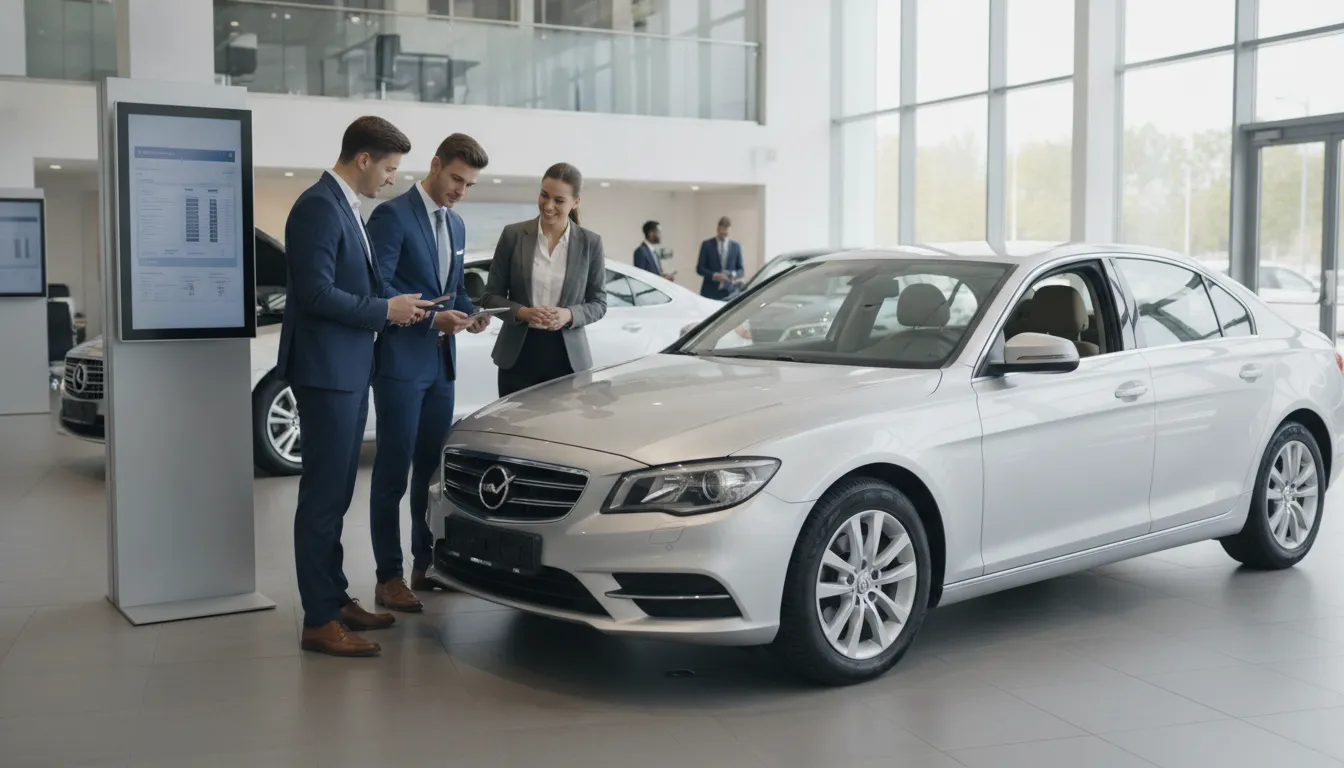
Get practical tips for buying used pre owned cars, from budgeting and financing to inspections and finding reliable brands for your first car purchase.
For decades, buying a car meant spending weekends at dealerships, haggling over prices, and feeling unsure if you got a fair deal. That experience is no longer the only option. The process of finding and purchasing quality used pre owned cars has changed for the better. This guide shows you the modern, smarter way to buy. We’ll cover everything from using online tools to understand market pricing to the benefits of working with a service that does the hard work for you. Let’s get you into a car you love, without any of the traditional headaches.
Key Takeaways
- Prioritize Practical Savings Over That New Car Feeling: Choosing a used car helps you avoid the massive initial drop in value, which is the single biggest cost of ownership. You also benefit from lower insurance premiums and registration fees, all while getting more features for your money.
- Verify a Car's Quality with a Three-Step Check: Never buy a car based on looks alone. Protect yourself by reviewing the vehicle history report for past issues, getting a pre-purchase inspection from a trusted mechanic, and taking a thorough test drive on different types of roads.
- Focus on the Total Price, Not the Monthly Payment: Create a budget based on the car's total cost, including maintenance and insurance. Get pre-approved for a loan from your bank before you start shopping; this gives you the power to negotiate the vehicle's price effectively, just like a cash buyer.
Why Buy a Used Car?
The thought of being the very first owner of a brand-new car is exciting, but it’s not always the smartest financial move, especially for your first purchase. Opting for a pre-owned vehicle can stretch your budget further and save you a significant amount of money in the long run. When you look past that new-car smell, you’ll find that the practical benefits of buying used are hard to ignore. From a lower price tag to cheaper insurance, a used car is often the perfect choice for a first-time buyer. Let’s walk through the biggest advantages.
Save on Price and Depreciation
The most obvious benefit of buying a used car is the lower upfront cost. But the savings go much deeper than the sticker price. The real financial win comes from avoiding the steepest period of depreciation. A new car loses a significant portion of its value the moment you drive it home, sometimes as much as 20% within the first year. This drop in value is called depreciation.
When you buy a pre-owned car that’s a few years old, you let the original owner take that initial financial hit. As Consumer Reports notes, buying used often means you trade some longevity for a much lower price. Your car will depreciate at a slower rate, so it will hold its value better over the time you own it. This means you get a more stable investment and lose less money when it’s time to sell or trade it in.
Lower Your Insurance and Registration Fees
Your savings don’t stop after you’ve bought the car. The ongoing costs of ownership are also typically lower for a used vehicle. One of the biggest savings comes from car insurance. Because a used car has a lower market value than a new one, it generally costs less for an insurance company to repair or replace it in the event of an accident.
As a result, your insurance premiums are usually much more affordable. This can free up hundreds of dollars in your budget each year. On top of that, your annual registration fees are often calculated based on the car’s age and value. A less valuable, older car means you’ll likely pay less to the DMV each year, adding another layer of savings to your total cost of ownership.
Get More Car for Your Money
Choosing a used car means your money simply goes further. For the same amount you’d spend on an entry-level new car, you could likely afford a two or three-year-old model with more features, better performance, or from a more luxurious brand. Think leather seats, an advanced sound system, or top-tier safety features that might have been out of reach on a new vehicle.
This is where buying used really shines. You don’t have to settle for a basic model just to fit your budget. You can get a car that you’re genuinely excited to drive every day. By exploring the pre-owned inventory, you can see just how many options open up. A slightly older vehicle can provide a much better value, giving you access to the features and quality you want without the brand-new price tag.
What Are the Most Reliable Used Car Brands?
When you’re buying a used car, reliability is everything. You want a vehicle that will start every morning and won’t leave you with surprise repair bills. While the history and condition of any individual car are what matter most, some brands simply have a better reputation for building vehicles that last. Focusing your search on these brands is a great way to narrow down your options and increase your chances of finding a car you can depend on for years to come.
Think of brand reliability as a starting point. It gives you a solid foundation, but you’ll still need to do your homework on the specific car you’re interested in. The good news is that a trustworthy auto broker can do the heavy lifting for you. At Automated Brokers, we source high-quality vehicles from the most dependable brands, ensuring you get a car that’s both a great value and built to last. You can see the quality brands we work with by checking our current inventory of new and pre-owned vehicles. We focus on finding cars that meet our high standards so you can drive away with confidence.
Toyota
There’s a reason you see so many older Toyotas still on the road. The brand has built a rock-solid reputation for durability and quality, making it a top choice for used car buyers. Toyotas are known for running for hundreds of thousands of miles with just basic maintenance, which is exactly what you want as a first-time owner. According to Consumer Reports, the brand consistently tops the charts for long-term reliability. Models like the Corolla and Camry are fantastic, no-fuss daily drivers, while the RAV4 and 4Runner are perfect if you need something with a bit more space and capability. Choosing a used Toyota is one of the safest bets you can make.
Jeep
Jeep is a brand that people feel passionate about. Its rugged look and off-road legacy are a huge draw, but it’s important to go in with your eyes open when it comes to reliability. Historically, Jeeps haven't always scored high in dependability studies, and some models can be more prone to repairs than competitors. This doesn't mean you should write them off completely, but you should factor potential maintenance costs into your budget. If you have your heart set on a Wrangler or Grand Cherokee, make sure you get a thorough pre-purchase inspection to understand exactly what you’re buying.
Kia
Over the past decade, Kia has completely transformed its image from a budget-friendly option to a brand known for style, tech, and seriously improved quality. Kias often rank well for used car reliability, offering a fantastic balance of features and dependability without the premium price tag of some rivals. Many of their models, like the Optima, Sorento, and Sportage, provide excellent value. Plus, Kia’s industry-leading warranty is sometimes transferable to the second owner, which can give you incredible peace of mind. If you’re looking for a modern, dependable car that’s packed with features, a used Kia is an excellent place to start your search.
Honda
Much like Toyota, Honda has earned a stellar reputation for building cars that are practical, efficient, and incredibly reliable. Hondas are engineered to be low-maintenance, which translates to lower ownership costs over the life of the car. They are a go-to choice for buyers who want a vehicle they can count on without any drama. The Civic and Accord are legendary for their longevity and are perfect choices for a first car. If you need more room, the CR-V is a top contender in the small SUV space. With a used Honda, you’re getting a vehicle known for its simple, effective design and a strong reputation for lasting quality.
Subaru
If you live somewhere with tough winters or just love the idea of having extra grip on the road, Subaru is a brand you need to know. Famous for its standard Symmetrical All-Wheel Drive system and top-tier safety ratings, Subaru offers a unique blend of practicality and performance. They are a favorite among outdoor enthusiasts and safety-conscious families for a reason. Models like the Outback and Forester are particularly well-regarded for their dependability and ability to handle just about any weather condition you throw at them. A used Subaru is a smart choice for anyone who values safety and all-weather capability in their vehicle.
How to Check a Used Car's Quality Before You Buy
Buying a used car is an exciting step, but it’s easy to feel a little nervous. How can you be sure you’re getting a reliable vehicle and not someone else’s headache? The key is to do your due diligence before you even think about signing any paperwork. A few simple checks can give you the confidence you need to make a smart purchase. Think of it as a three-step quality control process: review the car’s past, get a professional opinion on its present condition, and take it for a spin to see how it feels for your future. This is a core part of what we do for our clients, ensuring every pre-owned car in our inventory meets high standards.
Get the Vehicle History Report
This is your first and most important piece of detective work. A vehicle history report is a detailed summary of a car's life, and you should never buy a used car without one. One of the biggest worries for any buyer is a car's accident history, as even a single collision can cause lasting problems. A report from a service like CARFAX or AutoCheck will pull the vehicle identification number (VIN) to reveal any reported accidents, title issues like flood damage, odometer discrepancies, and sometimes even service records. Reading this report helps you spot potential red flags and walk away from a bad deal before you get too invested.
Always Schedule a Pre-Purchase Inspection
Even if the history report comes back sparkling clean, don't skip this step. A pre-purchase inspection (PPI) by a certified, independent mechanic is your best defense against hidden mechanical problems. Think of the history report as the car's resume and the PPI as the in-person interview. A mechanic will put the car on a lift to check the frame, look for rust or hidden damage, and inspect the engine, transmission, and suspension. This inspection might cost a hundred dollars or so, but it can easily save you thousands in unexpected repairs down the road. It also gives you major negotiating power if the mechanic finds any minor issues that need fixing.
Key Things to Check on Your Test Drive
The test drive is your chance to see how the car actually performs on the road. This isn't just about making sure the radio works; it's about feeling how the car handles and listening for potential problems. Before you even start the engine, make sure you fit comfortably in the driver's seat and can easily reach all the controls. As you drive, pay attention to how the transmission shifts. Is it smooth or does it jerk between gears? Test the brakes in a safe spot to see if they feel firm or spongy. Does the car pull to one side? A proper test drive should include a mix of city streets and highway speeds to see how the car performs in different conditions.
How to Budget and Finance Your Used Car
Figuring out the financial side of buying a car can feel like the most stressful part, but it doesn’t have to be. With a little planning, you can walk into the process feeling confident and in control. It’s all about understanding the full cost, setting a clear budget, and knowing your financing options before you even start looking at cars. This preparation is your best tool for getting a great deal without the headache. Let’s break down exactly how to get your finances in order.
Calculate the True Cost of Ownership
When you’re thinking about your budget, it’s easy to focus only on the sticker price of the car. But to get the full financial picture, you need to look beyond that number. The true cost of owning a car includes ongoing expenses like insurance, fuel, and regular maintenance. Think oil changes, new tires, and potential repairs. You should also factor in annual costs like registration fees. Knowing your real budget means you’re prepared for these expenses and won’t be caught off guard. A good rule of thumb is to set aside at least an extra $100 to $200 per month for these variable costs.
Set a Realistic Budget
Before you start browsing inventory, you need to make a key decision: how much are you willing to spend? You can decide on a total purchase price or a maximum monthly payment. A helpful guideline is the 20/4/10 rule: make a 20% down payment, finance the car for no more than four years, and keep your total monthly car expenses (including principal, interest, and insurance) at or below 10% of your gross monthly income. This framework helps you set a realistic budget and ensures your new car fits comfortably into your financial life without causing strain.
Bank Loans vs. Dealership Financing
You have a few different paths for financing your used car. You can get a loan directly from your bank or a credit union, or you can finance through the dealership. Dealerships work with various lenders and may offer convenience, but banks and credit unions often have more competitive interest rates. It’s smart to shop around and see what rates you can get from your own bank first. This way, you can compare it to the dealership’s offer and choose the best deal. An auto broker can also handle this for you, leveraging their relationships to find the most favorable terms.
Get Pre-Approved to Secure the Best Rate
One of the smartest moves you can make is to get pre-approved for a loan before you even start shopping. Walking in with a pre-approval letter from a bank or credit union essentially makes you a cash buyer. This gives you powerful leverage. Instead of negotiating financing terms and the car price at the same time, you can focus solely on getting the best price for the vehicle itself. You can then use your pre-approved loan as a baseline. If the dealership can offer you a better interest rate, great! If not, you already have a great option ready to go.
How Your Credit Score Affects Your Loan
Your credit score is a major factor in what kind of interest rate you’ll be offered on a car loan. Generally, a higher score means you’re seen as a lower-risk borrower, which qualifies you for a lower interest rate. A lower rate can save you hundreds or even thousands of dollars over the life of the loan. The savings from buying a used car can disappear if you have a high interest rate. Before you apply for loans, it’s a good idea to check your credit score so you know where you stand. This helps you understand how your credit score affects your loan and what to expect from lenders.
Common First-Time Buyer Mistakes to Avoid
Buying your first car is a huge milestone, but it’s also a process filled with potential pitfalls. It’s easy to get overwhelmed by the options, the numbers, and the pressure to make a quick decision. The good news is that you can sidestep the most common issues just by knowing what to look out for. Let’s be honest, no one wants to end up with buyer’s remorse, especially on a purchase this big. By preparing yourself and learning from the experiences of others, you can approach the process with confidence instead of anxiety. This section will guide you through the most frequent missteps so you can make a smart, informed choice that you’ll be happy with for years to come. Let’s walk through the four biggest mistakes first-time buyers make and how you can steer clear of them for a smooth, confident purchase.
Making an Emotional Decision
It’s so easy to fall in love with a car on the lot. Maybe it’s the perfect color, has that sunroof you’ve always wanted, or just feels like your “dream car.” While that excitement is part of the fun, letting emotions drive your purchase can lead to regret. One of the most common mistakes is choosing a car based on wants instead of needs. Before you start shopping, make a practical list of your non-negotiables: your budget, daily commute, passenger space, and safety features. Sticking to your list ensures you get a car that truly fits your life, not just one that looks good in the moment.
Skipping the Inspection and History Report
A used car might look pristine on the outside, but you can’t judge its mechanical health by its shiny paint job. Always get a vehicle history report to check for past accidents, title issues, and maintenance records. More importantly, never skip a professional mechanic’s evaluation. A trusted mechanic can spot hidden problems like engine trouble, rust, or previous flood damage that you might miss. It’s a small investment that can save you from thousands of dollars in unexpected repairs down the road. Think of it as getting a second opinion from an expert who is on your side.
Focusing Only on the Monthly Payment
When you’re at a dealership, the conversation can quickly turn to what you can afford per month. This is a classic sales tactic. A low monthly payment might seem like a great deal, but it can hide unfavorable terms like a very long loan period or a high interest rate, causing you to pay much more over time. Instead, always focus on the purchase price of the vehicle first. Negotiate the total price of the car, then discuss financing. This way, you know exactly what you’re paying for the vehicle itself before you even start talking about loans.
Accepting the Sticker Price Without Question
The price on the window is almost never the final price. It’s a starting point for a conversation. Many first-time buyers feel intimidated by negotiation and simply accept the initial offer, but this can cost you. Exploring prices from multiple sources, including different dealerships and online listings, gives you the knowledge to make a fair offer. If haggling isn’t your style, working with an auto broker can be a game-changer. At Automated Brokers, we handle all the research and negotiation for you, using our industry experience to secure a great price without the stress.
Where to Find the Best Deals on Used Cars
Finding a great deal on a used car feels like a huge win, but it's about more than just the sticker price. It’s about finding the right car at a fair price without all the stress. The secret is knowing where to look and how to approach the process. With a little preparation, you can find a car you love at a price you feel great about. Let's walk through the best places to find deals and the strategies that will help you secure them.
Using Online Platforms and Pricing Tools
Before you even step into a car, your first stop should be your computer. Online platforms are your best friend for getting a handle on what you should be paying. Market prices for used cars can change based on your location, the car's condition, and current inventory. Using an online pricing tool can give you a realistic price range for the specific models you're interested in. This research is your foundation; it helps you spot a genuinely good deal and gives you the confidence to know what's fair before you start talking numbers with a seller.
Dealerships vs. Private Sellers
You’ll generally find used cars in two places: dealerships or from private sellers. Dealerships often have a larger selection, may offer warranties, and can help with financing. Private sellers, on the other hand, might offer a lower price since they don’t have overhead costs. It’s a good idea to explore prices from multiple sources, including both dealerships and private listings, to get a full picture of the market. Regardless of who you buy from, the most important thing is finding a trustworthy seller who gives you space to ask questions and doesn't pressure you into a quick decision.
Negotiation Strategies That Work
Negotiation can feel intimidating, but it’s a standard part of the car-buying process. The most powerful tool you have is your research. Start with an offer at the lower end of the fair market range you discovered online. The seller will likely counter, and you can work toward a price in the middle. Remember, you are in control. If you don't like the deal or how you're being treated, be prepared to walk away. This is the most effective negotiation strategy you have. Sometimes, the best move is to leave and see if they call you back with a better offer.
Why an Auto Broker Is the Smarter Way to Buy
If you want a great deal without the hassle of research, dealership visits, and stressful negotiations, an auto broker is your answer. A broker works for you, not a dealership. We use our industry experience and network to find the exact car you want at a competitive market price. At Automated Brokers, we handle everything from sourcing the vehicle to securing financing and delivering it right to your door. It’s a white-glove service that saves you time and money. Our process is designed to give you all the benefits of a great deal without any of the headaches.
Frequently Asked Questions
Is buying a used car always the smartest financial choice? For most first-time buyers, yes. The biggest financial advantage comes from avoiding the rapid depreciation that new cars experience in their first few years. This means your vehicle holds its value better. You also benefit from lower insurance premiums and registration fees. The key is to buy a high-quality used car that won't surprise you with expensive repairs. A thorough inspection ensures your great deal on paper is also a great deal in practice.
How do I arrange a pre-purchase inspection? It sounds like a hassle. You’re right, it can be a bit of a project. You would need to find a reputable, independent mechanic near the seller, then coordinate a time that works for everyone to get the car to the shop for an evaluation. It’s an extra step, but a crucial one. This is actually one of the biggest benefits of using an auto broker; we handle scheduling and managing the entire inspection process for you, so you get the expert opinion without any of the logistical headaches.
What if my credit isn't perfect? Can I still get a good loan for a used car? Absolutely. While a higher credit score typically helps you get a lower interest rate, there are financing options available for a wide range of credit situations. The key is to explore different lenders. Services like ours have established relationships with a variety of financial institutions, which allows us to help find competitive loan terms for all types of credit profiles. Don't assume you won't qualify for a good rate.
I hate haggling. Do I have to negotiate to get a fair price? Negotiating the price is a standard part of buying a car, but you definitely don't have to do it yourself. Many people feel uncomfortable with it, and that's completely fine. If you'd rather skip the back-and-forth, working with an auto broker is the perfect solution. We handle all the price negotiations on your behalf, using our industry knowledge to secure a fair market price without you ever having to haggle.
This process seems like a lot of work. Is there an easier way to buy a used car? It can feel overwhelming, especially when you're trying to manage research, inspections, financing, and negotiations all at once. The simplest way to buy a car is to let an expert handle it for you. An auto brokerage service streamlines everything. We find the car you want, verify its quality, negotiate the price, and even arrange for it to be delivered to your home. You get the car you want at a great price without any of the typical stress.